


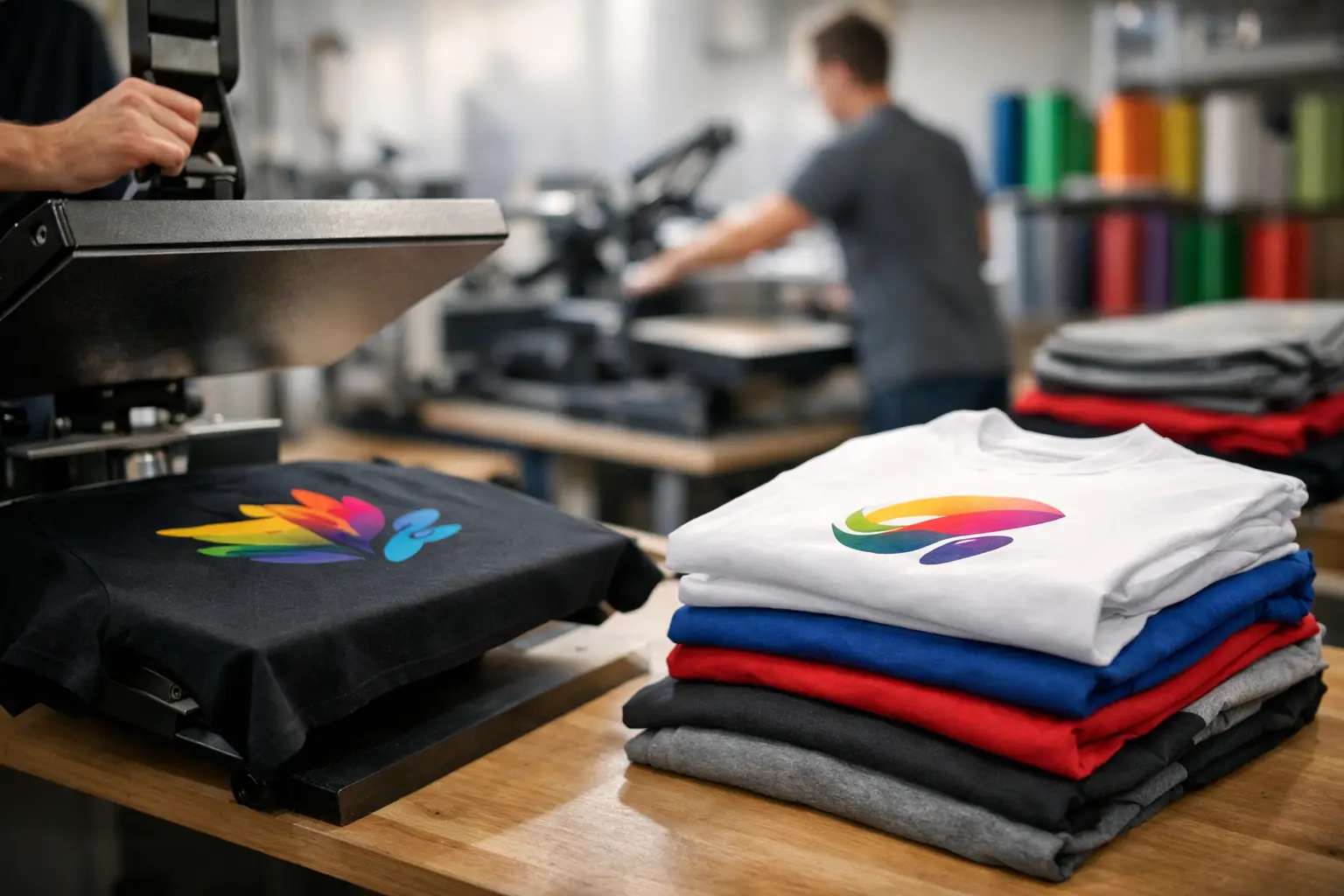
A rushed apparel order usually fails in the same predictable ways – the print cracks after one wash, the shirt feels cheap, colors look off-brand, or delivery lands too late to matter. That is why t shirt printing is not just a design task. For businesses, schools, and event teams, it is a production decision that affects budget, brand presentation, and how smoothly a campaign or event actually runs.
For corporate buyers, the real question is rarely, “Can you print this logo?” Most vendors can. The better question is whether the shirts, print method, quantities, and turnaround all match the purpose of the order. Staff uniforms need durability. Event giveaways need cost control. Premium client gifts need a better garment and sharper finish. Internal campaigns often need a balance of all three.
What good t shirt printing really depends on
A strong result comes from getting three things right at the same time: the garment, the print method, and the use case. If one of those is mismatched, the final product can look acceptable in a sample photo but underperform in real use.
The garment matters more than many buyers expect. A soft retail-style cotton tee can feel great for employee engagement packs or wellness events, but it may not be the best choice for field teams who need structure and durability. Polyester blends work well for sports and active use, though certain print methods behave differently on synthetic fabrics. Fit also matters in a business setting. An oversized promotional tee may be fine for mass distribution, but it is less suitable for staff who represent your brand in public.
Print method is the next major factor. This is where many projects either stay on budget and on schedule or become difficult. The right method depends on artwork complexity, order volume, fabric type, and how the shirt will be worn.
Common t shirt printing methods for corporate orders
Silkscreen printing remains one of the most practical options for bulk orders. If you are producing shirts for a roadshow, school event, charity run, or staff program, screen printing usually gives you strong color, good durability, and solid cost efficiency at higher quantities. It works especially well for simple artwork with limited colors. The trade-off is setup time and less flexibility for highly customized pieces.
Heat transfer printing is useful when speed and artwork flexibility matter. It can be a smart option for smaller runs, names and numbers, or projects that need individual personalization. It also suits event activations where designs are produced on demand. That said, the finish and long-term wear can vary depending on the material and transfer quality, so it is not always the first choice for everyday uniforms.
Direct-to-garment printing is a good fit for detailed, full-color artwork, especially when quantities are lower. It handles gradients and photographic elements better than traditional screen printing. For marketing teams testing a limited campaign shirt or producing small-batch branded apparel, this can be a practical route. The trade-off is that unit cost is usually higher, and fabric choice matters.
Embroidery is technically different from printing, but it belongs in the conversation because some buyers use “t shirt printing” as shorthand for all apparel branding. Embroidery gives a more premium and structured look, especially for polos, uniforms, and corporate wear. It is less suitable for large graphic designs but strong for logos where durability and presentation are priorities.
Choosing the right shirt for the job
Not every branded T-shirt should be judged by the same standard. A campaign giveaway and an executive event shirt serve different purposes, so they should be sourced differently.
For mass events, budget is usually a leading concern. In those cases, a dependable basic cotton tee with a clean print may be the right answer. The goal is broad distribution, clear branding, and a unit price that works at scale. Going too premium here can inflate cost without improving outcomes.
For staff wear, comfort and repeat use matter more. Employees notice shirt quality quickly, especially if they need to wear it for long shifts, outdoor events, retail promotions, or community outreach. A slightly better fabric weight, a more reliable fit, and a print method built for repeated washing often make better business sense than choosing the lowest available quote.
For client-facing use, presentation becomes critical. If the shirts support a product launch, exhibition team, or branded gift set, details carry more weight. Buyers should look at fabric hand feel, stitching, color consistency, and how the logo sits on the garment. A shirt that looks ordinary can weaken an otherwise polished campaign.
Artwork, placement, and brand consistency
A good logo is not automatically a good shirt design. Apparel has its own constraints, and buyers who plan for that early usually avoid rework.
The size of the print affects both appearance and cost. Large chest graphics create impact for events and promotional wear, but they can feel too aggressive for internal use or premium merchandise. Smaller left-chest prints are more restrained and often better for uniforms, but they may not deliver enough visibility at high-traffic events. Placement should match the purpose, not just personal preference.
Color control also matters. Brand colors that look sharp on screen may shift once printed on cotton, blends, or dark garments. White underbases, fabric color, and print technique can all affect the final result. This is one reason proofing is so important for business orders, especially when multiple stakeholders are involved.
Artwork format can either speed up production or delay it. Clean vector files generally make life easier for logos and simple graphics. Low-resolution images, unclear fonts, or artwork pulled from slides and screenshots often create avoidable production issues. When a supplier offers artwork guidance before production, it saves time and protects quality.
Timelines are part of the product
With apparel projects, lead time is not separate from quality. It directly affects it. The more compressed the timeline, the fewer options there may be for garment availability, print method, and quality control.
That does not mean urgent jobs cannot be done well. They can. But buyers should understand the trade-offs. A rush order may require switching to in-stock garments, simplifying artwork, or choosing a faster print method. If the job includes multiple shirt sizes, special colors, or packaging requirements, planning early gives far better control.
This is where an experienced production partner adds real value. It is not only about printing. It is about advising on what can realistically be delivered within the budget and deadline without overpromising. For procurement teams and event organizers, that kind of clarity is often more useful than a low initial quote.
Why vendor coordination matters in t shirt printing
Corporate buyers rarely order T-shirts in isolation. The same project may also involve lanyards, tote bags, event backdrops, booth graphics, name tags, or on-site activation support. When those items are split across multiple vendors, delays and miscommunication become much more likely.
This is why many organizations prefer a supplier that can handle t shirt printing as part of a wider branded merchandise or event production scope. It reduces handoffs, keeps artwork consistent across items, and makes deadline management far easier. If the event team needs shirts, stage branding, giveaways, and last-minute quantity adjustments, one coordinated workflow is simply easier to manage than four separate ones.
For buyers in Singapore managing launches, expos, school programs, or company events, that operational convenience often matters as much as the print itself. Global Asia Printings works in that space because clients usually need more than a shirt. They need a partner who can align apparel, merchandise, and event execution without creating extra admin work.
What to ask before placing a business order
The most useful conversations happen before production starts. Buyers should be clear on the purpose of the shirts, expected wear frequency, target recipients, quantity breakdown, and deadline. Those details shape the recommendation.
It also helps to ask practical questions: Will the print hold up after repeated washing? Is the shirt true to size? What are the available colors in the required quantity? Can the vendor support packing by department, team, or event day? If the order is part of a larger campaign, can the same supplier manage matching branded items?
These are not minor details. They determine whether the order is simply delivered or actually successful.
The best t shirt printing projects are rarely the most complicated. They are the ones where product choice, print method, timeline, and use case are aligned from the start. When that happens, the shirts do their job quietly and effectively – they represent the brand well, arrive when needed, and make one less thing for your team to worry about.
If you are planning branded apparel for staff, events, promotions, or school programs, it pays to treat the order as part of your wider execution plan, not a last-minute add-on.