


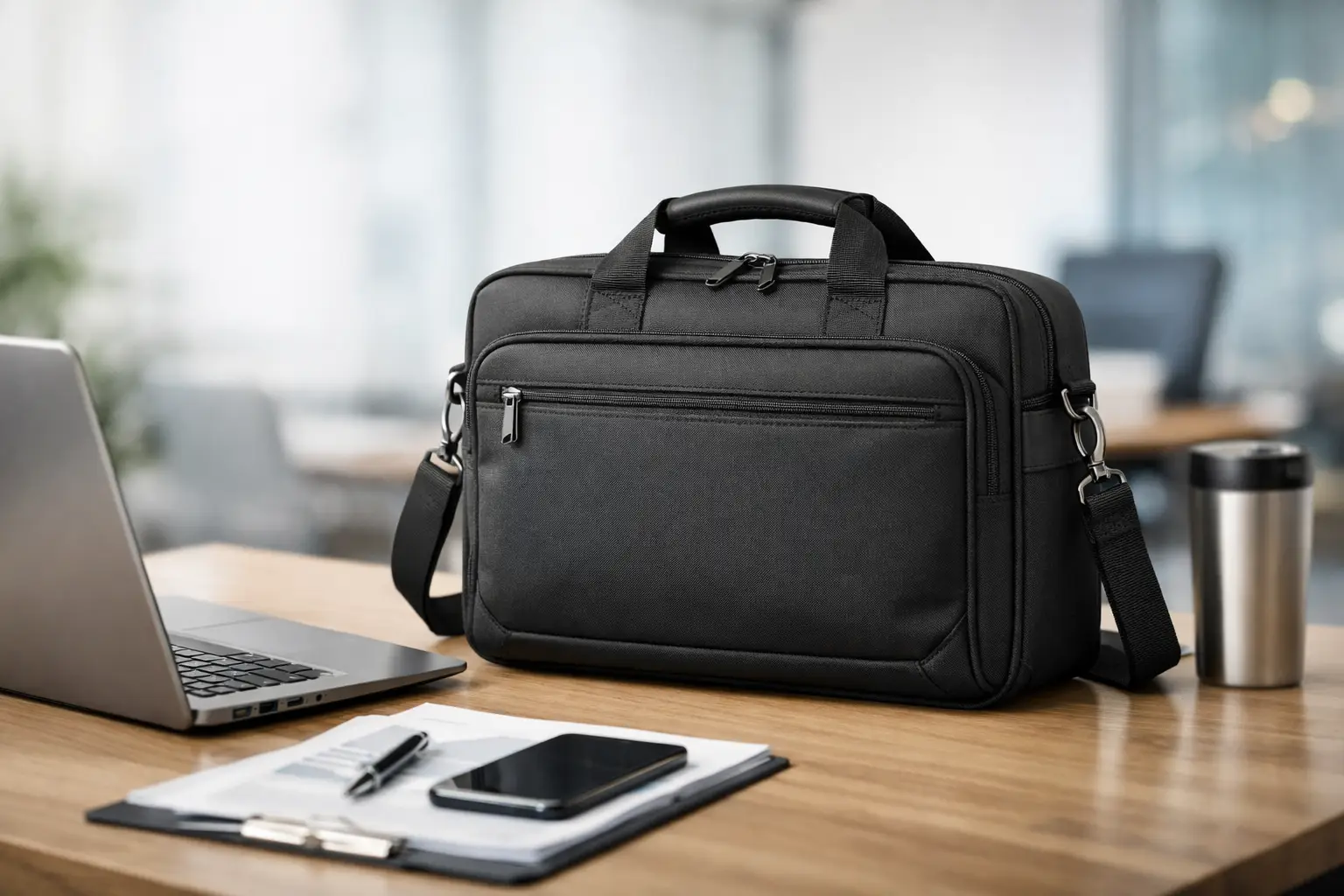
A Laptop Document Bag can do more work for your brand than most companies expect. It is practical, visible, and easy to distribute at conferences, onboarding sessions, roadshows, training programs, and client meetings. When chosen well, it helps people carry what they need while keeping your company name in use long after the event ends.
For procurement teams, marketers, HR departments, and event organizers, that makes it a strong option in the branded merchandise mix. The challenge is not whether to order one. The challenge is choosing a bag that fits the occasion, the users, the budget, and the branding method without creating quality issues or delivery delays.
Why a Laptop Document Bag works for business campaigns
Some promotional items are nice to receive but easy to forget. A laptop document bag tends to stay useful. Employees use it for commuting, sales teams carry it to meetings, and event attendees keep it for work trips or daily office use. That repeat usage gives the product a stronger branding lifespan than many lower-value giveaways.
It also suits a wide range of corporate settings. For internal programs, it works well in welcome kits, training packs, and staff appreciation gifts. For external campaigns, it fits conference registrations, partner gifting, media kits, and executive presentations. If your goal is to provide something functional rather than disposable, this category is a practical choice.
There is also a presentation advantage. A bag immediately feels more substantial than smaller desk accessories or one-off novelties. That matters when you want your company to come across as organized, professional, and considerate about usability.
What buyers should check before ordering a Laptop Document Bag
Not all bags serve the same purpose, even when they look similar in a catalog. The most common mistake in bulk orders is choosing based on appearance alone. For business use, product fit matters more than trend.
Start with size. A bag meant for a 13-inch laptop can create complaints if your team members use 15-inch or 16-inch devices. If the bag will be distributed across departments or to event attendees with varied devices, it is usually safer to choose a more flexible size range. Buyers should also check whether the bag includes a padded laptop compartment or just a general document sleeve. The difference affects both protection and perceived value.
Material is the next decision. Polyester and nylon are common for cost-efficient corporate orders because they are lightweight, durable, and suitable for printing. PU leather or premium fabric blends can work better for executive gifting or client-facing programs where presentation matters more. Non-woven options may fit high-volume campaigns, but they are not ideal if recipients are expected to carry laptops regularly. In that case, durability becomes a business issue, not just a product issue.
Handle and strap construction deserve attention too. A bag may look neat in a product photo but become uncomfortable in real use if the shoulder strap is weak or the handles are poorly stitched. For frequent commuters or event attendees moving across venues, comfort matters. A useful bag gets used. An awkward one gets stored away.
Matching the bag to the business use case
The right specification depends on where and how the bag will be used. There is no single best model for every campaign.
For employee onboarding, a laptop document bag should feel dependable and presentable. New hires often receive company materials, forms, devices, and welcome items all at once. A bag with a clean structure, padded laptop section, and a few organizer pockets makes the onboarding kit feel complete rather than improvised.
For exhibitions and conferences, weight and portability matter more. Recipients may be walking for hours, collecting printed materials, and carrying devices between sessions. In this setting, a slimmer bag with document space, comfortable handles, and straightforward branding often performs better than a heavier premium design.
For client gifting, finish becomes more important. A textured fabric, structured silhouette, and understated logo placement can create a stronger impression than a large, bold print. If the audience includes senior decision-makers, the bag should feel business-appropriate rather than promotional.
For school programs, training institutions, or education-related campaigns, durability and budget need to be balanced carefully. These orders are often higher in quantity and more cost-sensitive, but recipients still need something functional enough for everyday use.
Branding options and what they say about your company
Customization is not just about placing a logo on the front panel. The print method, size, and placement all influence how the final product is perceived.
Silkscreen printing is often the practical choice for bulk orders because it is cost-effective and clear for simple logos. Heat transfer can support more detailed artwork or full-color applications, though material compatibility should be checked early. Embroidery may suit selected premium bags, especially when a more polished finish is preferred, but it can change the feel of the material and add cost.
Logo placement should match the purpose of the bag. Large front-facing branding works for event visibility, campaign recall, and sponsorship exposure. Smaller, more discreet branding is usually better for executive use, employee gifts, and formal client presentations. If a bag looks too promotional, recipients may use it less often. That reduces the value of the order even if the unit cost looks attractive.
Color choice matters as well. A dark base color tends to handle daily wear better and feels more professional in business environments. Lighter shades can look fresh at launch but may show dirt and creasing faster, especially for high-use programs.
Budget, quantity, and lead time considerations
A laptop bag order usually sits in the middle to upper range of the promotional merchandise budget. That means buyers need clear alignment between quantity, quality, and usage goals.
If the bags are for a one-day mass event, it may make sense to prioritize quantity, clean branding, and acceptable durability. If they are for long-term staff use or high-value client gifting, it is better to spend more on construction, padding, and finish. Trying to buy a premium-looking bag at an entry-level price often leads to disappointment on material quality or stitching.
Lead time is another area where planning helps avoid costly compromises. Custom bags involve sourcing, sample approval, artwork setup, branding production, and packing. If your campaign date is fixed, product selection should begin early enough to allow for revisions. Leaving everything to the last minute can narrow material options or force a switch to whatever is available rather than what is best suited to the project.
For organizations managing multiple event elements at once, working with a single supplier that can coordinate bag sourcing, branding, and related merchandise often reduces delays and miscommunication. That is especially useful when the bag is part of a larger pack that may include notebooks, lanyards, pens, bottles, or apparel.
Common mistakes that weaken the order
The first mistake is under-specifying the product. A request for a laptop bag without stating laptop size, target audience, expected use, or branding preference usually creates back-and-forth and slower quotation turnaround. Clear requirements lead to better recommendations and fewer revisions.
The second is focusing only on unit price. A lower-priced bag that tears, lacks padding, or prints poorly can end up costing more in brand perception than it saves in procurement. For visible branded items, quality is part of the message.
The third is ignoring packaging and distribution. If bags need to be handed out at a conference, packed into onboarding kits, or shipped to multiple offices, that should be discussed at the quotation stage. A good product decision can still turn into a difficult rollout if logistics are treated as an afterthought.
The fourth is approving artwork without checking scale. A logo that looks balanced on screen may print too large or too small on the actual bag panel. Mockups and sample review help prevent this problem.
Choosing a supplier for bulk corporate bag orders
A dependable supplier should do more than send a catalog and a price list. Buyers need practical guidance on materials, print methods, delivery timing, and alternatives when a chosen model does not fit the brief.
That is where experience matters. For example, if you are planning a conference kit and also need event lanyards, apparel, booth branding, or printed inserts, it is far more efficient to coordinate the items under one production partner. Companies such as Global Asia Printings support this kind of end-to-end execution, which helps business teams reduce vendor fragmentation and keep branding consistent across the full campaign.
The best Laptop Document Bag order is not always the most expensive or the most feature-heavy. It is the one that matches your audience, supports real use, carries your branding well, and arrives on time for the job it needs to do. When those pieces line up, the bag stops being just another giveaway and becomes part of a well-run brand experience.
If you are planning a bulk order, start with the use case first and the catalog second. That approach usually leads to a better product, a smoother rollout, and fewer surprises when delivery day arrives.