


A rushed apparel order usually fails in predictable ways: the shirt fabric feels wrong, the logo placement looks off, sizes are missing, or the delivery lands too close to the event to fix anything. That is why custom t shirt printing works best when it is treated as part of campaign planning, not a last-minute add-on. For businesses, schools, and event teams, the right T-shirt order supports brand visibility, team presentation, and smooth event execution all at once.
Why custom t shirt printing matters for organizations
A branded T-shirt is practical, but it also does several jobs at the same time. It identifies staff at roadshows, gives event crews a consistent look, supports product launches, and turns internal campaigns into something visible and shared. For HR teams, it can help with onboarding kits, wellness programs, and company outings. For marketing teams, it becomes a moving brand asset that keeps showing up long after the event ends.
That value depends on matching the shirt to the use case. A shirt for a one-day giveaway has different requirements than a shirt for retail-style merchandise, field staff uniforms, or a premium conference pack. Some buyers focus on cost per piece. Others care more about comfort, print sharpness, or how the shirt reflects the brand. The right decision is rarely about the lowest price alone.
Choosing the right shirt before printing
The print gets the attention, but the shirt itself sets the baseline for quality. Fabric weight, material blend, cut, and color all affect how the final product is received. Lightweight cotton can work well for mass giveaways in warm weather, especially when budget and volume matter. Heavier cotton tends to feel more substantial and may suit premium event kits or apparel meant for repeated wear.
Blended fabrics are worth considering when teams need better wrinkle resistance or a softer feel. Performance materials can make sense for sports days, outdoor crews, or active promotional events, though they may require a different print method. Fit matters too. If the audience includes both staff and guests, unisex sizing is often the simplest route, but some programs benefit from offering a broader size range and better cut options.
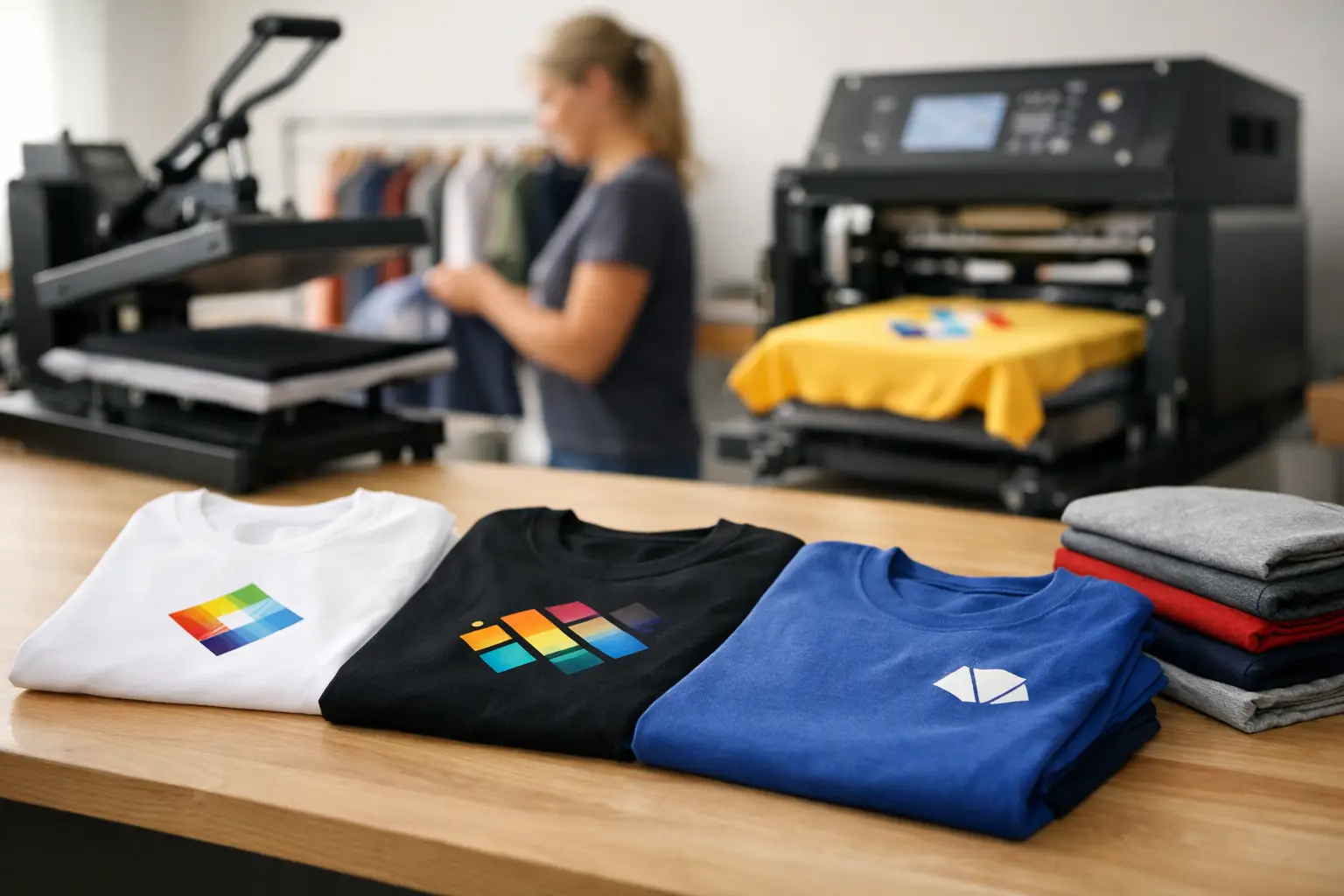
Color choice is another practical decision. Dark shirts can make a design look bold, but they may increase print complexity depending on the artwork. White or light-colored shirts often give more flexibility for vibrant prints at lower production cost. If brand colors are strict, it helps to confirm the closest shirt base color early rather than force the print to do all the matching work.
Custom t shirt printing methods and when they fit
There is no single best print method for every order. The best option depends on quantity, artwork, fabric, timeline, and budget.
Screen printing is a strong choice for larger runs with simple to moderately complex artwork. It offers solid color output, dependable consistency, and good unit economics at scale. If you are ordering shirts for staff uniforms, event giveaways, or nationwide campaign rollouts, this is often the most efficient route. The trade-off is setup time and less flexibility for highly variable designs.
Heat transfer can be useful for short runs, names and numbers, or designs that need quick execution. It works well when personalization matters, such as department identifiers, event roles, or team apparel. However, durability and finish can vary depending on the material and transfer type, so it is not always the first pick for heavy long-term use.
Direct-to-garment printing suits detailed artwork and smaller quantities, particularly when the design includes gradients or full-color graphics. It can be a good option for campaign samples, internal team shirts, or lower-volume custom pieces. The result can look excellent, but fabric compatibility and order size should be considered carefully.
For polyester and performance wear, sublimation may be the better fit when all-over or highly integrated printing is required. It produces a clean finish without adding weight to the shirt, though it is best suited to specific garment types and lighter base colors.
How to align print choices with business goals
The most common mistake in custom apparel buying is choosing based on appearance alone. A shirt may look good in a mockup but fail in actual use if the method, garment, or quantity strategy is off.
If the goal is brand visibility at scale, prioritize consistency, comfort, and cost control. If the goal is employee engagement, wearability matters more because people will only keep using the shirt if it feels good. If the goal is a premium client-facing event, the shirt should support the overall presentation of the brand, which usually means stronger fabric, cleaner finishing, and tighter artwork control.
This is where an experienced supplier adds value. Good guidance is not just about printing a logo. It means helping buyers decide whether to reduce print locations to stay on budget, whether to switch fabrics for better comfort, or whether a different print method will improve turnaround without compromising quality. For procurement and event teams, that advice saves time and prevents expensive rework.
Artwork preparation affects the final result
Even the best production setup cannot fully fix poor artwork files. Logos need to be in usable formats, colors need to be defined properly, and print size should be planned with the shirt dimensions in mind. A chest logo for a staff polo may need a different treatment than a full-front graphic for a campaign giveaway.
Text that looks readable on screen may print too small on fabric. Fine lines can disappear. Photographic effects may need to be simplified depending on the print method. Approving a digital mockup is useful, but it should be paired with practical checks such as garment color, size grading, and placement consistency.
Businesses that order regularly benefit from standardizing brand assets for print use. That makes repeat orders faster and keeps departments from using inconsistent versions of the same logo across different events and teams.
Timelines, quantities, and the real cost of delays
Most business apparel orders are tied to a date that cannot move. An exhibition opens on schedule. A roadshow starts on schedule. A school orientation or company retreat does not wait for a delayed print run. That is why lead time should be discussed at the start, alongside quantity breaks and approval deadlines.
Larger orders usually need more production planning, but small urgent runs can also become expensive if artwork is incomplete or garment stock is limited. Flexibility helps. Sometimes shifting to an in-stock shirt color or simplifying the print can protect the event timeline without hurting the end result.
Buyers should also think beyond the initial order count. Under-ordering can create rush reprints at a higher cost. Over-ordering can waste budget and storage space. A practical supplier will help estimate realistic quantities based on audience type, size mix, and event purpose, rather than just quoting the cheapest volume tier.
One vendor can simplify more than just shirts
For many organizations, T-shirts are only one part of a wider rollout. The same campaign may also need lanyards, tote bags, gifts, signage, booth graphics, or live event support. Managing each item through separate vendors creates more approvals, more delivery coordination, and more room for mismatch.
That is why many business buyers prefer a partner that can handle sourcing, artwork guidance, printing, and fulfillment in one workflow. For event-heavy organizations, this reduces admin load and makes brand execution more consistent across every touchpoint. A company like Global Asia Printings supports that kind of end-to-end coordination, which becomes especially useful when deadlines are tight and multiple branded items need to land together.
What a good custom t shirt printing partner should help you solve
A dependable supplier should do more than take specifications. They should help clarify whether your selected shirt suits the audience, whether the artwork is production-ready, and whether your budget is better spent on better fabric, better print placement, or higher quantity. They should also be honest about trade-offs. Not every premium effect fits a rush job. Not every low-cost shirt supports a polished brand impression.
Communication matters just as much as production quality. Buyers need clear recommendations, realistic lead times, and confidence that the order is being managed properly from approval to delivery. That support is especially valuable for procurement staff and event coordinators who are balancing multiple vendors, internal stakeholders, and last-minute changes.
Custom apparel tends to look simple from the outside. In practice, the best results come from careful choices made early, with the end use always in view. If the shirt fits the audience, the print suits the job, and the production plan is built around the real deadline, the order does more than fill a requirement. It helps your team show up ready.