


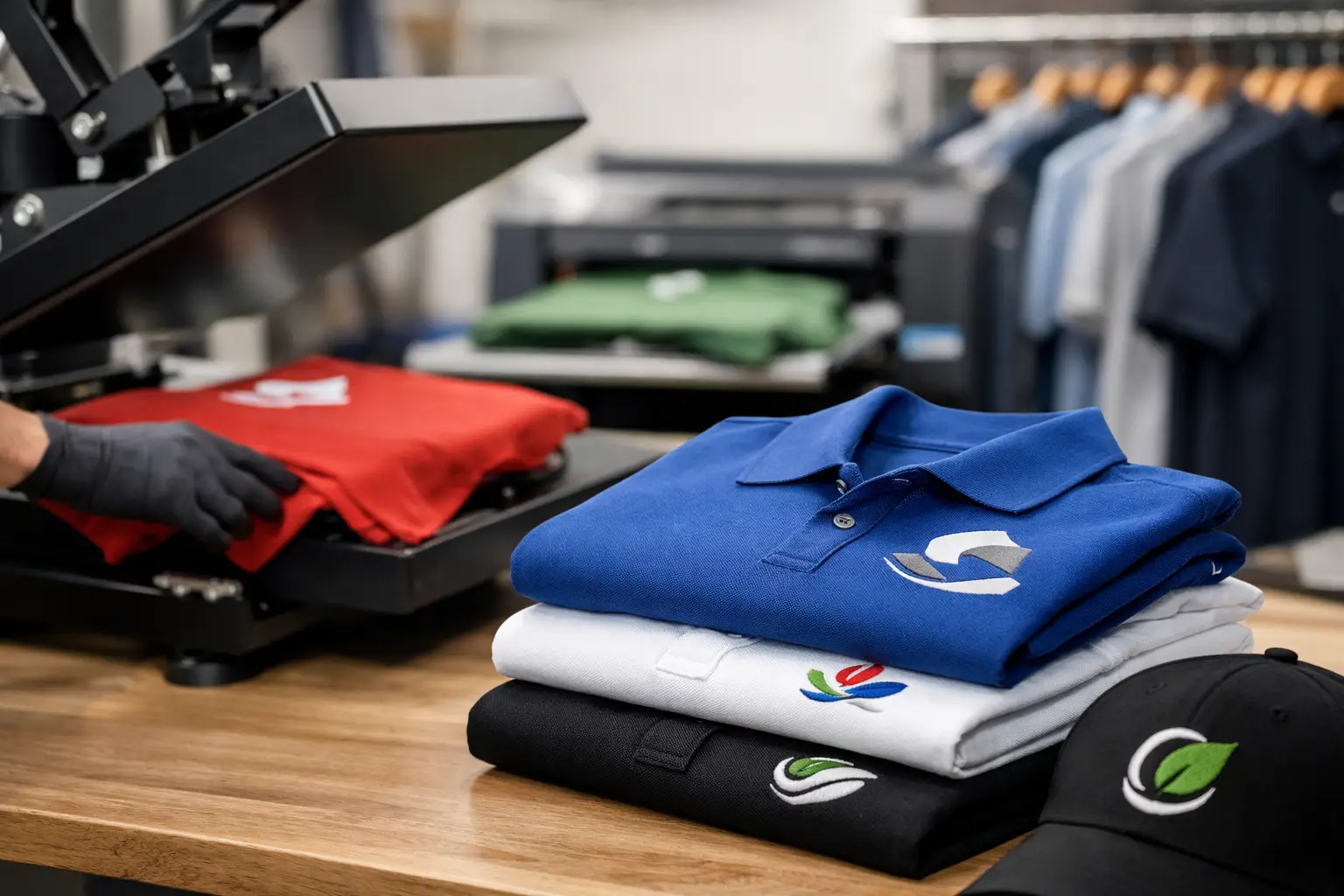
A sales team walks into a trade show wearing mismatched shirts, and the booth instantly feels less credible. The opposite is also true. When staff arrive in coordinated polos that fit well, feel comfortable, and carry clear branding, the brand presentation does part of the work before a single conversation starts. That is why custom polo shirt printing remains a practical choice for companies that need apparel that looks professional without feeling overly formal.
For many organizations, polos sit in the sweet spot between T-shirts and corporate uniforms. They are structured enough for client-facing settings, comfortable enough for long event hours, and versatile enough for internal programs, retail teams, field staff, schools, and promotional campaigns. The real value, though, is not just the shirt itself. It is choosing the right fabric, decoration method, placement, and order approach so the result suits the actual use case.
Why custom polo shirt printing works for so many teams
Branded polos solve several business needs at once. They create a more consistent look across staff, support brand recognition, and make teams easier to identify at events, stores, roadshows, and activation spaces. They also have a longer usable life than many one-off promotional items because employees and event crews often continue wearing them after the initial campaign.
That said, not every polo project has the same goal. A hospitality team may prioritize comfort in warm conditions. A corporate office may care more about a clean, premium appearance. A school organizer may need durability and easy repeat ordering. A procurement team may be focused on sizing availability and budget control across a large order. The best custom polo shirt printing projects start by matching the product to the job, not by picking the cheapest blank and adding a logo.
Choosing the right polo before printing
A polo can look polished in a catalog and still fail in real use. Fabric weight, breathability, collar shape, fit, and color consistency all matter once the shirts are worn for full workdays or high-traffic events.
Cotton polos tend to feel softer and more familiar, which works well for office wear, casual uniforms, and internal branding. Polyester or performance blends are often better for outdoor events, logistics crews, and active teams because they handle heat and movement more effectively. Blended fabrics can offer a practical middle ground when you want comfort but also need wrinkle resistance and shape retention.
Fit is another area where business buyers sometimes run into trouble. A modern slim cut may look sharp for a photoshoot but be less inclusive for broad team sizing. A classic cut can be easier for large group orders, especially when you need a size run that works across departments. If polos are intended for customer-facing use, it helps to think beyond appearance and consider whether staff will actually feel comfortable wearing them all day.
Color selection deserves more attention than it usually gets. Darker shades often make logos stand out and hide wear better, while lighter shades can feel fresher in hot environments. But brand color matching is rarely exact across every fabric type and garment batch. If color accuracy is critical, it is worth reviewing actual samples instead of relying only on digital artwork.
Printing vs embroidery for custom polo shirt printing
One of the most common questions in custom polo shirt printing is whether to print the logo or embroider it. The answer depends on design, budget, timeline, and the look you want.
Embroidery is often the first choice for polos because it gives a more premium, uniform-style finish. It works especially well for left chest logos, company names, and simple marks with clean shapes. It holds up well over time and suits client-facing teams, management apparel, and long-term staff uniforms. The trade-off is that embroidery is less ideal for highly detailed artwork, gradients, or large back designs. It can also add cost, especially when stitch counts are high.
Printed logos, including heat transfer or screen-based methods depending on the order, can be the better option for larger graphics, event-specific messaging, campaign slogans, or multicolor designs. Printing can also help when you need bolder visual impact at a lower unit cost for volume orders. The trade-off is that some print methods are less suited to textured polo fabrics, and the finish may feel more promotional than premium if the shirt and artwork are not matched carefully.
In practice, it often comes down to how the polo will be used. For everyday uniforms, embroidery usually makes sense. For short-run campaigns, launches, or event wear with larger artwork, printing can be more flexible.
Where branding should go on a polo
Placement affects both appearance and function. The left chest remains the most standard choice because it is clean, recognizable, and suitable for most business settings. It works well when the logo is strong enough to stand on its own without extra text.
Some projects benefit from a sleeve print or embroidery, especially when the main chest area is reserved for a subtle mark and additional sponsor or department branding is needed elsewhere. Back prints are more common for event crews, roadshows, sports-related functions, and campaign teams that need visibility from a distance.
There is a balance to strike here. Too little branding can make the shirt look generic. Too much can make it feel like advertising rather than teamwear. For many organizations, the best result is a restrained front logo with one secondary branded element only if there is a clear purpose.
Common business use cases for branded polos
Polos are especially useful when a company needs apparel that can move across different environments. Event teams wear them on-site, sales staff use them for client meetings, and operations teams rely on them for daily uniforms. The same base product can also support onboarding kits, staff appreciation programs, school events, and promotional giveaways where a T-shirt may feel too casual.
For exhibitions and conferences, polos help create a polished booth presence without putting staff in overly formal clothing for long hours. For HR and internal culture programs, they offer a practical branded item employees are more likely to wear again. For procurement teams managing repeat orders, polos are easier to standardize than fashion-forward apparel because the product category is already familiar and functional.
This is one reason many buyers prefer working with a supplier that can handle both apparel production and wider campaign needs. If the same vendor can coordinate polos, lanyards, bags, booth graphics, and live event support, the project becomes easier to manage and less exposed to timing gaps.
Budget, lead time, and quantity considerations
Pricing for custom polos is rarely just about the shirt. Decoration method, artwork complexity, color count, print size, packaging, and delivery schedule all affect the final cost. Large orders generally bring better unit pricing, but the lowest quote is not always the best value if the shirt quality is poor or the supplier cannot hold timelines.
Lead time is another area where expectations need to be realistic. If you need exact sizes, specific brand colors, custom placements, and multiple approval rounds, the process will take longer than a straightforward standard order. Rush jobs are possible in many cases, but they may limit fabric choices, sizing availability, or decoration options.
For budget planning, it helps to decide early what matters most. If the shirts are for one short campaign, you may prioritize speed and cost. If they are part of an ongoing uniform program, durability and reorder consistency usually matter more. An experienced supplier should be able to guide those trade-offs clearly instead of pushing a one-size-fits-all option.
How to avoid the most common ordering mistakes
Most polo printing problems start before production. Low-resolution logos, unclear sizing assumptions, and last-minute changes can quickly create delays or disappointing results. Artwork should be prepared properly from the start, and approvals should cover not just the logo but also shirt color, decoration size, placement, and garment model.
Sizing is another frequent issue in group orders. If teams are ordering across departments or locations, collecting size information carefully matters more than many buyers expect. It is also smart to account for extras, especially for events, new hires, or replacement needs.
Finally, sample review is worth the time when the order is significant. A digital mockup helps, but an actual sample gives a better read on fabric feel, collar structure, logo scale, and overall presentation. For businesses ordering at volume, that step can prevent costly rework.
At Global Asia Printings, projects like these usually go more smoothly when clients treat polos as part of a broader brand execution plan rather than a standalone garment order. The shirt has to work with the event, the audience, the team, and the budget.
Custom polos are not flashy, and that is exactly why they work. When chosen well and produced properly, they make teams look organized, credible, and ready for the job in front of them. If your next order needs to support both brand presentation and day-to-day wear, the smartest move is to start with the use case, then build the shirt around it.