


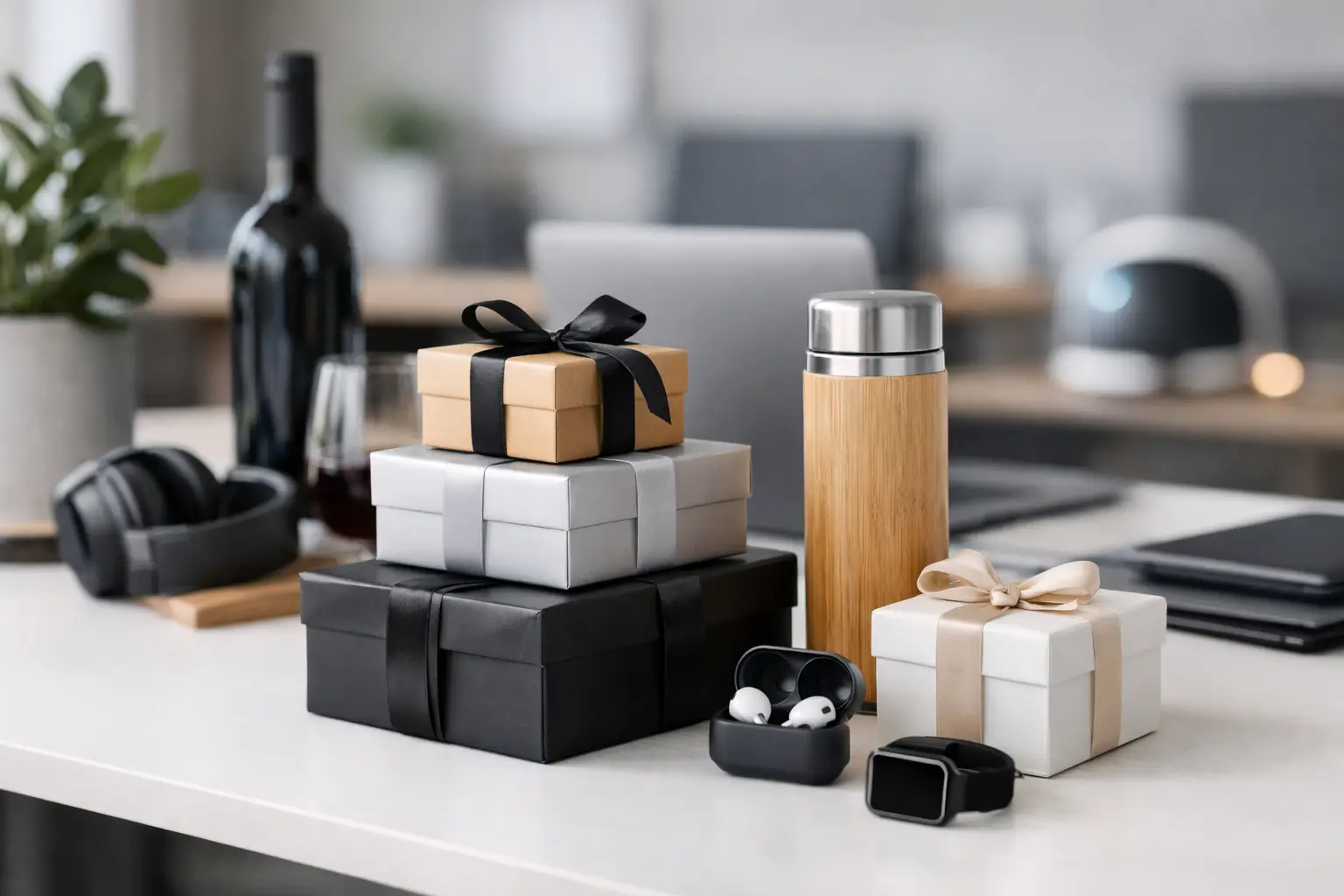
Budget pressure is real, but so is the expectation to give something that feels considered. That tension is shaping corporate gifting trends 2026 more than any single product category. Buyers are moving away from generic giveaways and toward gifts that do a clearer job – reinforcing brand standards, supporting events, welcoming employees, or strengthening client relationships without creating waste.
For procurement teams, marketers, HR managers, and event organizers, the shift is less about chasing novelty and more about making better decisions. The strongest gifting programs in 2026 will balance usefulness, presentation, speed, and brand fit. A gift does not need to be extravagant to leave the right impression, but it does need a purpose.
Corporate gifting trends 2026 start with practical value
The days of ordering high volumes of low-retention items just to fill a table are fading. Buyers are placing more value on products people will actually keep, carry, or use at work and on the move. That means drinkware, smart desk accessories, bags, travel items, apparel, and well-made stationery continue to outperform novelty pieces.
This does not mean every gift has to be conservative. It means the item should earn its place. A branded tumbler with a clean finish, a laptop sleeve for onboarding, or a premium notebook set for executive meetings works because the recipient can immediately see the value. Practical products also tend to deliver better brand visibility over time, which matters when budgets are being examined line by line.
There is a trade-off here. Useful items usually require better sourcing and more careful quality control. If the zipper breaks, the bottle leaks, or the print fades after a few uses, the gift stops helping the brand and starts hurting it. In 2026, quality consistency matters just as much as product choice.
Premium feel without luxury pricing
Many organizations still want gifts that feel elevated, but not every campaign allows for premium gift box budgets. One of the clearest corporate gifting trends 2026 is the move toward affordable products with upgraded presentation. A mid-range item can feel far more impressive when it is packed well, branded cleanly, and paired thoughtfully.
This is where coordination matters. A simple set of a notebook, pen, and bottle can feel standard or polished depending on color matching, logo placement, packaging, and message card design. Buyers are paying closer attention to finish and cohesion because recipients notice the overall experience, not just the unit cost.
For client gifting, this matters even more. If the brand wants to signal professionalism, the visual consistency of the gift set does a lot of the work. For internal programs, polished presentation can raise perceived value without forcing the team into premium-only sourcing.
Smaller, more targeted gift runs
Mass gifting still has its place, especially for exhibitions, roadshows, and recruitment events. But many companies are dividing their budgets more carefully across audience groups. Instead of one item for everyone, they are building tiers based on use case – event traffic, VIP meetings, employee welcome kits, sales incentives, or festive gifting.
This approach reduces waste and improves relevance. A high-volume event giveaway should not be selected using the same criteria as a board-level appreciation gift. In practice, this means buyers are ordering more strategically and asking for guidance earlier in the planning process.
The operational impact is significant. Targeted runs often involve more SKUs, more branding decisions, and tighter coordination across departments. That makes vendor reliability more important, not less. A one-stop partner becomes especially helpful when sourcing, printing, packing, and delivery need to stay aligned.
Sustainable choices are becoming more specific
Sustainability is still a major factor, but the conversation is getting more practical. Buyers are asking fewer broad questions and more concrete ones. Is the item durable enough to last? Does the packaging create unnecessary waste? Is this product likely to be used, or discarded after the event?
That shift is healthy. In gifting, sustainability claims mean little if the product has no staying power. Reusable drinkware, recycled notebooks, durable tote bags, bamboo-based accessories, and minimalist packaging continue to attract attention because they combine usability with a more responsible profile.
That said, not every campaign needs the same sustainability standard. A premium gift for a key account may justify different material and packaging choices than a large-scale conference handout. What matters is alignment. The product, quantity, and presentation should match the campaign objective rather than follow a trend label without context.
On-demand and live event gifting gains ground
One of the most interesting shifts for exhibitions, activations, and internal events is the growth of on-site customization. Live printing and event-personalized merchandise are gaining traction because they turn a gift into part of the experience.
This works especially well when the goal is engagement. A T-shirt printed at the event, a personalized tote, or a custom tag added on-site gives attendees a reason to stop, interact, and remember the brand. It also helps reduce overproduction because items can be created based on actual demand.
Of course, this format depends on venue setup, queue management, artwork planning, and production speed. It is not the right fit for every event. But for brands that want stronger booth traffic or a more memorable employee experience, live gifting has clear advantages over static giveaway piles.
Branded apparel is getting more wearable
Apparel remains a strong category, but expectations are higher now. Recipients are more selective about fit, fabric, and style, which is pushing companies toward cleaner designs and better garment choices. The best branded apparel in 2026 looks closer to something people would choose to wear, not just something they received for free.
This affects everything from onboarding kits to company retreats and campaign merchandise. Subtle logo placement, modern cuts, and softer fabrics tend to perform better than loud branding across the chest. The same applies to jackets, polos, and uniforms when employee presentation matters.
For buyers, the challenge is balancing visibility with wearability. A brand mark still needs to be present, but if the design feels too promotional, usage drops. The sweet spot is apparel that supports brand identity without making the recipient feel like a walking billboard.
Tech accessories keep winning, but only when they solve a need
Electronics and tech accessories remain popular, but buyers are becoming more selective. Power banks, charging cables, desk gadgets, and travel-friendly tech items continue to work when they are relevant to the audience and produced at a dependable standard.
This category can create strong perceived value, but it also carries more risk than stationery or bags. Certification, durability, compatibility, and finish all matter. A cheap tech item can disappoint faster than almost any other product type.
That is why practical tech gifts tend to outperform flashy ones. A compact charger for frequent travelers or a useful desktop accessory for hybrid teams makes more sense than a novelty electronic item with uncertain long-term use.
Gifting is becoming part of broader brand systems
A notable shift in corporate gifting trends 2026 is that gifting is no longer treated as a standalone purchase. More teams are integrating gifts into onboarding, campaign launches, trade shows, employee recognition, and customer retention plans. That changes how products are selected.
Instead of asking, what should we give, buyers are asking, what role should this gift play in the larger program? That leads to better decisions. A welcome kit should reinforce culture and usefulness. A sales event gift should support brand recall. An appreciation package should feel personal enough to justify the spend.
This broader view also improves consistency. When gifts, apparel, event materials, and branded collateral are developed together, the result feels intentional. For companies managing multiple touchpoints at once, that kind of coordination saves time and avoids the common problem of mismatched vendors and uneven quality.
Faster timelines are not going away
If there is one constant across almost every buyer group, it is timeline pressure. Last-minute campaigns, shifting event dates, delayed approvals, and urgent replenishment requests are still common. In 2026, speed remains a competitive factor, but rushed production should not mean careless execution.
That is pushing buyers to favor vendors that can guide product selection quickly, flag artwork issues early, and recommend realistic alternatives when lead times are tight. Sometimes the smartest gifting choice is not the most ambitious one. It is the item that can be produced well, branded correctly, and delivered on schedule.
Experienced suppliers understand this balance. At Global Asia Printings, for example, the value is not just in product range. It is in helping clients match item choice, customization method, packaging, and delivery plan to the real conditions of the project.
What buyers should do next
If you are planning gifting for 2026, start with the campaign objective before the catalog. The right product depends on who will receive it, how it will be distributed, what timeline you are working with, and what impression the brand needs to leave. A practical employee kit, a trade show giveaway, and a premium client set should not be sourced the same way.
It also helps to decide early where quality matters most. Sometimes that means investing in a better base product. Other times it means keeping the product simple and improving the packaging, print finish, or coordination across items. The strongest results usually come from making a few smart choices well rather than trying to do everything at once.
A good corporate gift should make the next step easier – easier to remember your brand, easier to welcome a new hire, easier to support an event, or easier to show appreciation in a way that feels professional and well judged.