


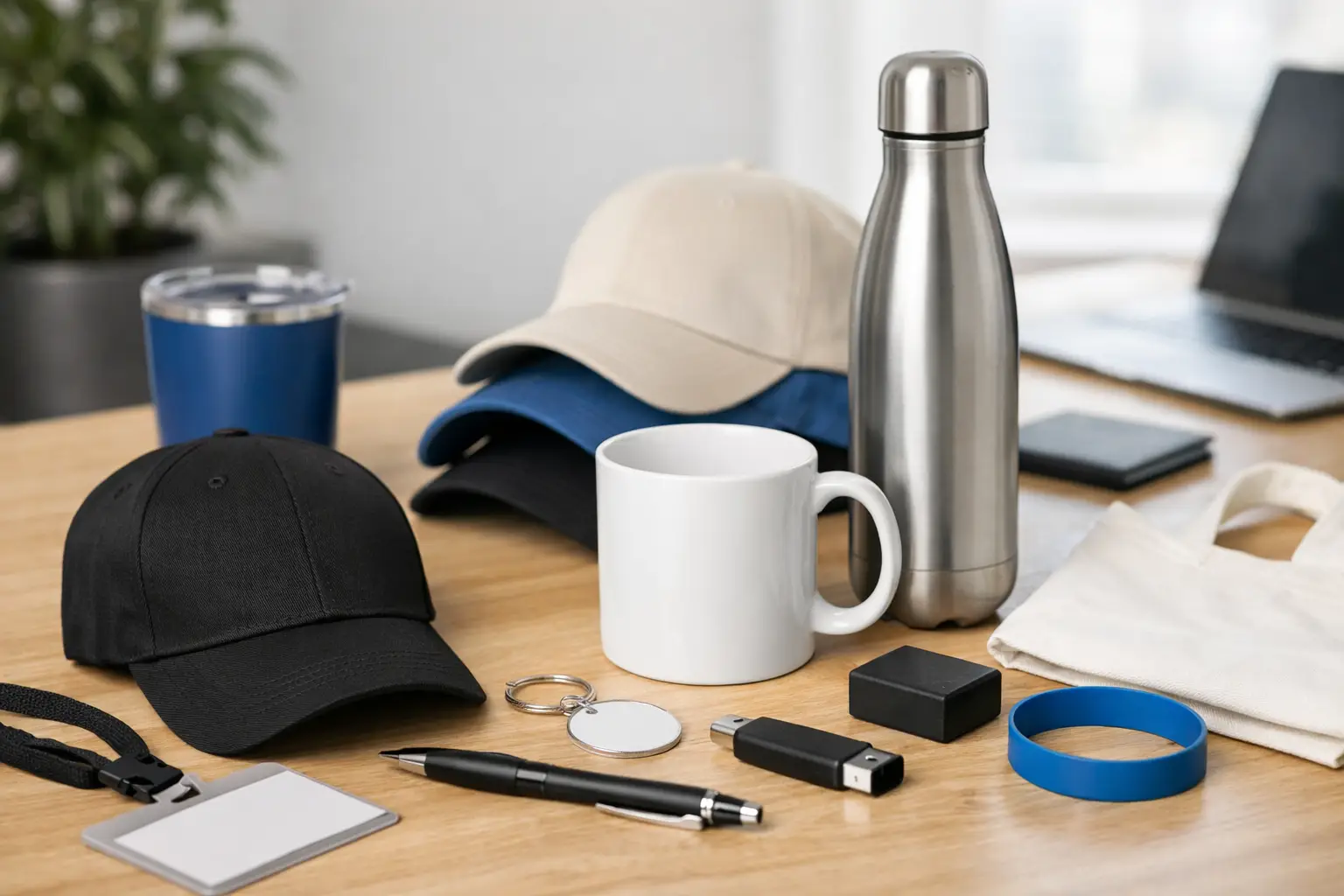
A rushed merch order usually looks fine in the catalog and disappointing on event day. The tote is too thin, the logo is too small, the delivery is split across suppliers, and someone on your team is left chasing updates three days before launch. That is why promotional merchandise should never be treated as an afterthought. For businesses, schools, and event teams, the right item does more than carry a logo. It supports attendance, reinforces brand standards, improves recall, and helps a campaign feel organized from the first touchpoint.
Why promotional merchandise still works
Good merchandise stays in circulation. A lanyard gets worn, a notebook gets used in meetings, a bottle sits on a desk, and a shirt appears at team events long after the original campaign ends. That repeat exposure is where value builds. You are not paying only for the unit cost. You are paying for repeated brand impressions in a setting where the recipient has chosen to keep the item.
That said, not every branded product performs the same way. A premium gift for a client appreciation program serves a different purpose than a mass giveaway at a roadshow. One is meant to signal value and strengthen relationships. The other is designed for reach, speed, and visibility. When buyers lump every requirement into a single merch brief, they usually overspend on the wrong items or underspec the details that actually matter.
The better approach is simple: match the product to the job.
Start with the use case, not the product
Many teams begin by asking for ideas. That is understandable, but it often leads to generic shortlists that do not fit the real need. A more useful starting point is the occasion, audience, and intended outcome.
If you are planning for an exhibition, you may need high-volume items that are easy to distribute and easy to carry. If you are onboarding employees, the merchandise should feel cohesive and practical across departments. If the project is an internal campaign, consistency and delivery timing may matter more than novelty. If you are gifting executives or long-term clients, presentation, finish, and packaging become part of the message.
This is where promotional merchandise becomes a planning decision rather than a sourcing exercise. The right product mix often includes a few categories working together: wearable items for visibility, desk items for longevity, and event materials that support operations on the day itself.
Common business scenarios and what fits
For trade shows and public events, practical giveaways usually outperform gimmicks. Tote bags, lanyards, pens, notebooks, and water bottles are familiar because they work. They are easy to hand out, useful across industries, and visible in crowded venues.
For employee engagement and onboarding, apparel, mugs, tech accessories, and stationery sets tend to land well. They help teams feel included while giving the brand a cleaner, more consistent presence internally.
For client gifting, quality matters more than quantity. Travel accessories, premium drinkware, electronics, and curated gift sets usually justify the budget better than trying to stretch a small spend across too many lower-value items.
Budget matters, but value matters more
Cost planning for promotional merchandise is rarely just about the item price. Print method, color count, packaging, quantity breaks, lead time, and delivery requirements all affect the final number. Two products that look similar on paper can produce very different results once customization and fulfillment are factored in.
This is where experienced guidance saves time and prevents avoidable waste. Sometimes a slightly higher unit cost gives you a better print area, stronger material, or a more reliable production timeline. In other cases, a simpler item in a larger quantity delivers better campaign reach than a premium product with limited distribution.
There is no universal best choice. It depends on who will receive the item, how long it needs to last, and what role it plays in the campaign. Buyers usually get the best outcome when they set a realistic total budget early and leave room for practical trade-offs.
Where teams often overspend
One common mistake is choosing a product first and then forcing the budget to fit. Another is underestimating how customization affects cost. Full-color printing, multiple print positions, individual packaging, or urgent production can all shift a project quickly.
Overspending also happens when orders are fragmented. Apparel from one supplier, event giveaways from another, booth graphics somewhere else, and no single point of accountability. The more moving parts involved, the harder it becomes to maintain quality control and delivery confidence.
Print quality and product quality are not the same thing
A decent product with poor branding execution still feels cheap. The reverse is also true. A basic item with clear print, good placement, and sensible color choices can look more professional than a premium item with rushed artwork.
That is why artwork preparation should be part of the buying conversation early. Logo size, print area, material texture, and color contrast all affect the final result. Embroidery behaves differently from screen printing. UV printing does not perform the same way as pad printing. Fabric reacts differently than metal or plastic. If those details are not considered at approval stage, expectations and final output can drift apart.
For organizations managing brand guidelines, this matters even more. Merchandise is often seen by employees, clients, and event attendees before they interact with your team directly. If the logo treatment is inconsistent or the finish looks off, the brand impression weakens immediately.
Lead time can make or break the order
Most merchandise problems are not caused by bad intentions. They are caused by compressed timelines. The artwork arrives late, quantities change, approvals stall, and suddenly the delivery date becomes the only decision driver.
When that happens, product choice narrows and quality compromises become more likely. Substitute materials may be required. Decoration options may become limited. Shipping costs may increase. Even a straightforward project can become stressful if production starts too late.
The practical fix is to plan backward from the event or distribution date. Leave time for product selection, artwork checks, sample review if needed, production, packing, and delivery. For multi-item campaigns, coordination matters just as much as manufacturing. If your T-shirts, lanyards, bags, and booth materials arrive on different schedules, your internal team still carries the burden.
A dependable supplier should be able to flag risks early, suggest alternatives, and keep the scope aligned with the deadline instead of simply taking the order and hoping it works out.
Choosing promotional merchandise for real-world use
The best items usually share three traits. They are useful, brandable, and appropriate for the audience. That sounds obvious, but many orders miss one of those three.
Usefulness keeps the item in circulation. Brandability ensures your logo or message can be applied clearly without looking forced. Audience fit means the item makes sense in the context where it will be received. A sleek executive gift may be perfect for a client meeting and completely unsuitable for a student event. A budget giveaway may work well for mass sampling and feel underwhelming in a staff recognition program.
This is also where category breadth becomes valuable. Buyers do not always need one hero item. They may need coordinated merchandise across apparel, stationery, bags, drinkware, tech accessories, and event support materials. When those elements are sourced and managed together, the campaign tends to look more intentional and run more smoothly.
For many organizations, that operational convenience is as important as the product itself. A single partner who can advise on selection, manage branding, and handle production across categories reduces friction for procurement, marketing, HR, and event teams alike.
What a strong merchandise brief should include
A good brief makes approvals faster and recommendations more accurate. It does not need to be complicated, but it should cover the purpose of the order, estimated quantity, target audience, budget range, delivery deadline, branding requirements, and any special packing or distribution needs.
If you already know the event type or campaign theme, include that too. It helps narrow options quickly. If you do not know what item fits best, that is fine. What matters is sharing enough context for useful guidance. At Global Asia Printings, this is often where the real value starts – not just supplying products, but helping clients avoid mismatched choices before production begins.
A better way to think about merchandise
Promotional merchandise works best when it is treated as part of the brand experience, not leftover budget. The item itself matters, but so do timing, print quality, consistency, and how easily the whole project can be executed. Buyers who get strong results are usually not the ones chasing the trendiest product. They are the ones choosing merchandise that fits the audience, supports the occasion, and arrives exactly when it should.
If you approach your next order with that mindset, the conversation gets easier. You stop asking what is popular and start asking what will actually be used, remembered, and delivered without drama.