


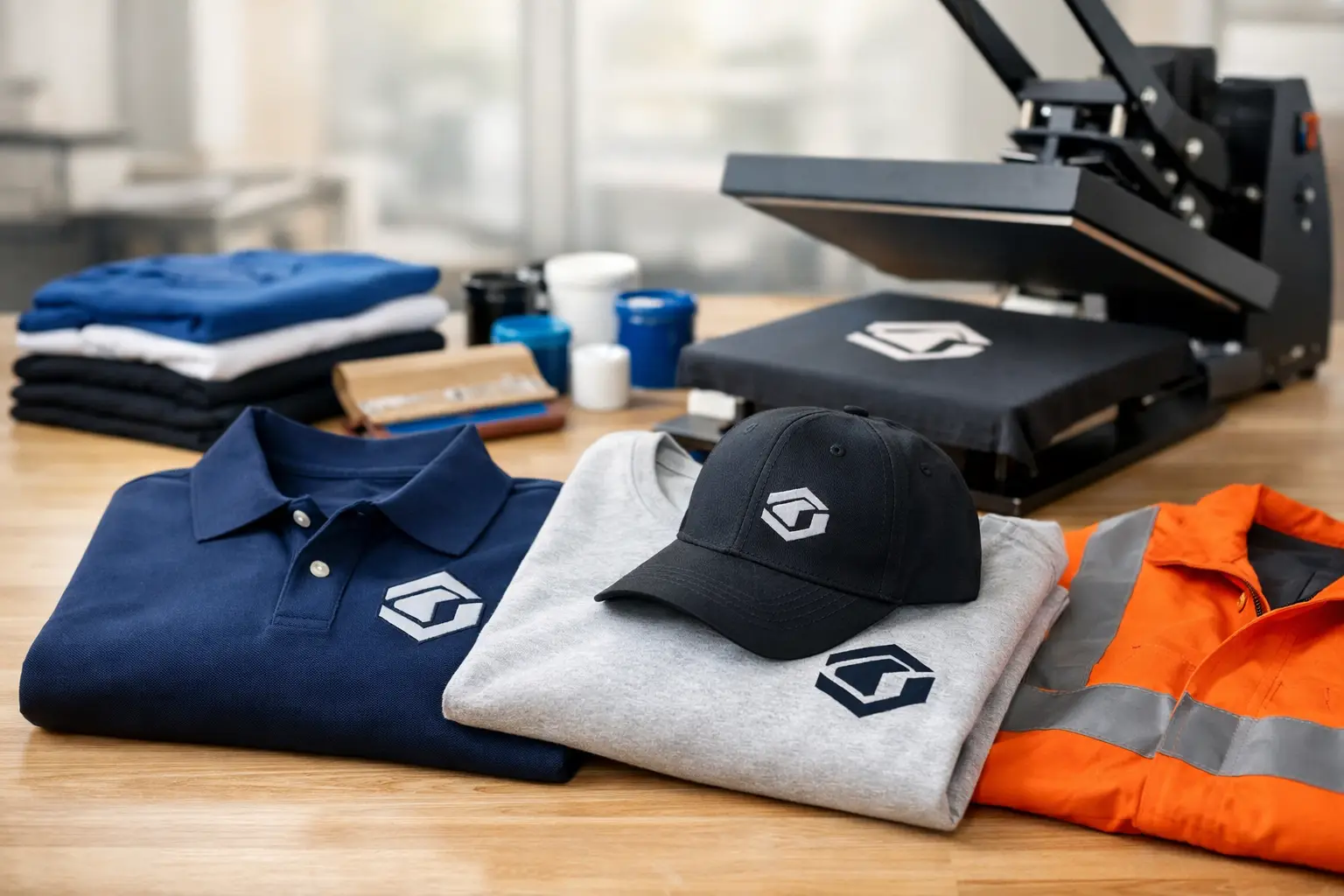
A uniform order usually looks simple at the start. Then the questions arrive all at once – which garment works for the job, what print method will last, how many sizes to buy, and how fast can everything be delivered without quality slipping. That is why choosing the right company uniform printing services matters more than most teams expect.
For HR, procurement, operations, and marketing teams, uniforms are not just apparel. They affect brand presentation, employee comfort, event readiness, and day-to-day consistency across locations. A rushed order can lead to fading prints, poor sizing, delayed delivery, or mismatched items that make a business look less organized than it is.
What good company uniform printing services should actually solve
The right supplier does more than print a logo on a shirt. They help you match the garment to the role, recommend decoration methods based on use, manage artwork correctly, and keep the order aligned with your budget and deadline.
That matters because not every uniform has the same purpose. A polo shirt for front-desk staff has different demands than event crew tees, warehouse uniforms, retail apparel, or jackets for outdoor teams. Fabric, fit, branding size, and print placement all need to fit the job. If those details are missed early, the result is often a reorder that costs more time and money than the original order.
A capable vendor also reduces coordination work. Many businesses still split sourcing across multiple suppliers – one for apparel, one for printing, another for event materials, and sometimes another for delivery. That can work for very large internal teams, but for many buyers it creates unnecessary delays and too many moving parts.
Start with the use case, not the product
One of the most common mistakes in uniform buying is choosing the item before defining how it will be used. A cotton tee may look cost-effective, but if the team works long shifts outdoors or moves constantly, moisture management and durability may matter more than unit price. On the other hand, a premium polo may be the right fit for client-facing staff but unnecessary for a one-day roadshow.
The better approach is to start with the work environment, wear frequency, and desired brand impression. Ask whether the uniform is for daily operations, a seasonal campaign, a launch event, field staff, or internal team building. Each use case changes what makes the order successful.
Daily-wear uniforms usually need stronger fabrics, consistent repeatability, and decoration methods that hold up through regular washing. Event uniforms may prioritize visual impact, fast turnaround, and cost control for larger quantities. Executive or hospitality uniforms often put more weight on finishing, fit, and a more refined print or embroidery result.
Choosing the right garment for your team
Uniform quality starts with garment selection. That sounds obvious, but it is often where budget pressure causes problems. The cheapest option can make sense for some high-volume campaigns, but not if it leads to discomfort, poor shape retention, or a print surface that does not perform well.
T-shirts are popular for roadshows, temporary staff, school events, and internal campaigns because they are flexible and cost-efficient. Polo shirts are often preferred for customer-facing roles because they look more structured without becoming too formal. Jackets and outerwear are useful for logistics, field work, travel, and teams working in heavily air-conditioned or outdoor settings.
Fit matters almost as much as fabric. A garment that looks good on a sample can still fail in rollout if the sizing run is too narrow or inconsistent. For mixed teams, it helps to review size charts carefully and account for the fact that staff may prefer different fits depending on their role and how long they wear the uniform each day.
Print or embroidery depends on wear, brand, and budget
This is where many buyers need practical guidance. There is no single best decoration method for every order.
Screen printing is often a strong choice for larger runs, especially for T-shirts and straightforward logo placements. It can be cost-effective at volume and delivers bold, clean branding. Heat transfer can work well for smaller quantities, names, numbering, and more complex multicolor artwork, though durability can vary depending on application and garment type. Embroidery is popular for polos, jackets, and corporate uniforms because it gives a polished, premium look, but it may not be ideal for large, highly detailed artwork or lightweight fabrics.
The right choice depends on how the uniform will be used. If staff wear it weekly and wash it often, durability should lead the discussion. If the apparel is for a short-term event, visual consistency and turnaround time may matter more. If your logo has fine details or gradients, some print methods will reproduce it better than others.
Why artwork preparation affects the final result
Uniform orders often run into trouble before production even starts. Low-resolution logos, inconsistent brand colors, unclear sizing instructions, and missing placement approvals can all create delays or disappointing results.
A dependable supplier should check artwork before printing and flag issues early. That includes whether the file quality is suitable, whether your brand colors can be matched closely on the selected fabric, and whether the print size makes sense for the garment. A small left-chest logo may look sharp in embroidery, while a large back graphic may need a different production method altogether.
This review stage is also where expectations should be set clearly. Color appearance can shift depending on fabric type and garment color. White ink behaves differently on dark apparel. Embroidery has limits on fine text. Buyers do not need a technical lecture, but they do need honest advice before approving production.
Lead times are not just about speed
Fast delivery matters, especially for events, onboarding, and campaign deadlines. But speed alone is not the goal. The real issue is whether the supplier can manage urgency without creating mistakes.
Reliable company uniform printing services should be clear about production schedules, approval timelines, stock availability, and delivery planning. If a deadline is tight, the supplier should guide you toward realistic alternatives instead of promising everything and sorting out the problems later.
Sometimes that means adjusting the garment choice to what is available now. Sometimes it means simplifying print placements or selecting a faster decoration method. Those are not compromises if they are handled transparently and still meet the purpose of the order.
For recurring buyers, planning ahead makes a noticeable difference. Standardizing a few approved uniform styles for different use cases can reduce decision time and improve consistency across future orders.
Budget control is about matching spend to purpose
Most business buyers are not trying to buy the cheapest uniform. They are trying to buy the right uniform at the right price.
That distinction matters. A premium jacket for a leadership retreat, a cost-conscious tee for a mass event, and a durable polo for daily staff wear can all be smart purchases if each one fits the intended use. Problems usually happen when a business over-specifies a short-term item or under-specifies a daily-use one.
Good budget guidance means discussing quantity, fabric, print method, and finishing together. A supplier should be able to explain where cost is being driven and where adjustments are possible without undermining the result. In many cases, a better garment-color choice or simpler branding placement can create savings while keeping the overall presentation strong.
When a one-stop vendor makes more sense
Uniform orders are often tied to something larger – an event, a product launch, a conference, a school program, a team onboarding cycle, or a broader brand campaign. In those cases, working with one supplier for apparel, printing, and related branded materials can save more than money. It saves coordination time.
If your team also needs lanyards, tote bags, booth graphics, event backdrops, or giveaway items, managing all of it through one experienced partner usually means fewer approval gaps and fewer delivery risks. It also helps keep branding consistent across every touchpoint.
This is where an operationally practical supplier stands out. Global Asia Printings supports businesses that need not only uniforms but also the surrounding branded materials that often come with events, activations, and internal programs.
What to ask before placing the order
Before confirming any uniform project, make sure the basics are settled. Ask what garment options fit your use case, which print method is recommended, what the production timeline looks like, and what approvals are needed to stay on schedule. Confirm sizing, artwork placement, and whether there are stock limitations that could affect the order.
You should also ask how the supplier handles changes. Last-minute quantity increases, name additions, and partial replacements are common in real projects. A partner who understands business orders should be prepared for those realities.
The best company uniform printing services do not just produce apparel. They help businesses make better buying decisions under real deadlines, with clear trade-offs and fewer surprises. When that process is handled well, uniforms stop being a sourcing headache and start doing the job they were meant to do – presenting your team clearly, consistently, and professionally.
If you are planning your next order, the smartest move is to treat uniforms as part of operations, not just merchandise. That shift usually leads to better choices from the very first sample.