


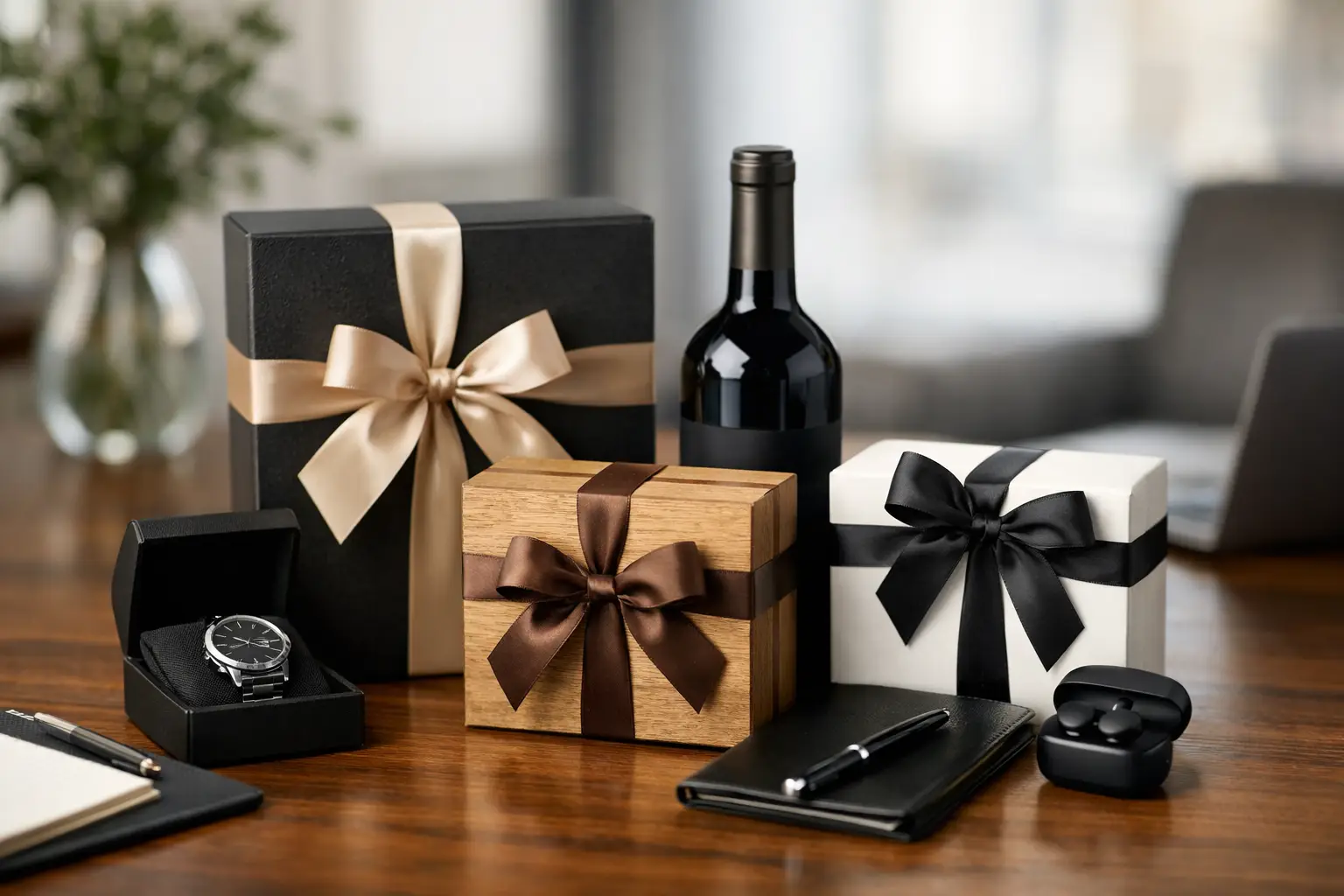
A premium client gift can strengthen a relationship in a way a standard giveaway never will – but only if it feels considered. Send the wrong item, and it becomes clutter. Send the right one, and it signals that your company pays attention to quality, detail, and the people behind the business. That is the real question behind how to select premium client gifts: not what looks expensive, but what feels right for the recipient and your brand.
For marketing teams, procurement staff, HR leaders, and event planners, the challenge is rarely a lack of options. It is the opposite. Too many products look suitable on a catalog page, yet only a small number make sense once you factor in brand image, timing, customization, delivery, and budget. A good selection process keeps you from overpaying for items that do not land well or underinvesting in gifts meant for high-value relationships.
How to Select Premium Client Gifts With Purpose
Start with the reason for the gift. A year-end appreciation set calls for a different standard than a conference thank-you item or a milestone account celebration. If the purpose is retention, the gift should feel more personal and elevated. If the purpose is visibility during a campaign or executive meeting, the product may need stronger branding and broader appeal.
This first step matters because premium does not always mean lavish. In many B2B settings, useful and refined beats flashy. A well-made tech accessory, travel item, desk piece, or executive notebook can perform better than a more expensive novelty product because it fits into the client’s daily routine. Relevance creates value. Price alone does not.
It also helps to define what success looks like before you shortlist products. Are you trying to thank existing clients, support account growth, recognize VIP attendees, or leave a strong impression after a pitch? Once the goal is clear, the product choice becomes easier and the budget becomes easier to justify internally.
Match the Gift to the Client Profile
One of the most common mistakes in corporate gifting is treating every client the same. Premium gifting works best when the item reflects the recipient’s context. An operations manager, a C-suite executive, and an event stakeholder may all appreciate quality, but they do not necessarily value the same type of gift.
A senior executive may respond well to understated, polished items with subtle branding. A practical buyer may appreciate functional products they can actually use at work or while traveling. A client attending a branded event may prefer something memorable that ties back to the experience. The more your item fits the recipient’s environment, the stronger the impression.
This is where segmentation helps. You do not need a different product for every person, but it makes sense to build tiers. Key accounts may receive a more premium curated set, while broader client groups receive a quality branded item that still feels thoughtful. That approach protects your budget without making the gifting program feel uneven.
Premium Means Quality You Can Feel
If you are learning how to select premium client gifts, focus less on category and more on finish. Two products can serve the same function, but one will clearly feel better in hand, look cleaner, and last longer. Clients notice that difference immediately.
Materials, packaging, print quality, stitching, hardware, and presentation all shape perception. A tumbler with a poor lid fit, a bag with weak zippers, or a notebook with inconsistent embossing will undermine the message you are trying to send. On the other hand, a simple item with excellent finishing can feel far more premium than a complicated product with average execution.
This is why samples matter, especially for larger orders or VIP gifting. Product photos can only tell you so much. Before committing, check how the branding appears on the item, how the packaging looks when opened, and whether the product weight and build match the level of quality you want associated with your company.
Keep Branding Present but Controlled
A client gift is not the same as a mass promotional item. Branding still matters, but the treatment should be more restrained. Large logos can make a premium gift feel like standard merchandise, especially when the goal is appreciation rather than exposure.
For higher-end client gifts, subtle placement usually works better. A small logo, elegant embossing, tone-on-tone print, or discreet engraved mark often creates a stronger result than prominent branding. The item should feel gift-worthy first and branded second.
That said, it depends on the setting. If the gift is tied to an event launch, campaign activation, or branded corporate program, stronger visual identity may be appropriate. The key is alignment. Branding should support the occasion, not dominate it.
Choose Items That Fit Real Business Use
The safest route is not always the smartest one, but usefulness is still a strong filter. Premium client gifts tend to perform well when they fit into travel, work, meetings, remote setups, or daily routines. That is why categories such as tech accessories, drinkware, bags, desk essentials, apparel, and curated gift sets remain popular in B2B gifting.
Practicality becomes even more important when you are ordering at scale. A highly specialized gift may impress a few recipients but miss the mark with the rest. A more universal product with premium finishing often delivers better overall value. It reduces waste, improves perceived usefulness, and gives your brand longer visibility.
There is also a timing factor. Seasonal gifts can work well, but evergreen products are often easier to distribute and use. If your gifting calendar changes or delivery gets pushed, a neutral premium item gives you more flexibility than something tied too closely to a specific holiday moment.
Budget for Value, Not Just Unit Cost
Premium gifting decisions often stall because teams focus too heavily on the item price and not enough on total value. The right budget should account for the product, customization method, packaging, fulfillment, and delivery timing. A cheaper item can quickly become expensive if branding looks weak or replacement rates rise because quality falls short.
It is also worth balancing quantity against impact. If your client list includes a mix of high-priority and general accounts, a tiered strategy usually makes more sense than applying one budget across the board. That gives you room to invest more where the relationship value is higher while still maintaining consistency in presentation.
Procurement teams also benefit from working backward from the deadline. Rush production can limit product choices and increase costs. Planning early gives you better access to stronger options, better branding methods, and more reliable packaging decisions. It also reduces the risk of settling for what is available rather than what is right.
Do Not Separate Product Choice From Execution
A strong gift can fail because the execution around it is weak. Misspelled names, inconsistent logo placement, late delivery, or damaged packaging can undo the value of a premium item very quickly. That is why vendor coordination matters as much as product selection.
When sourcing client gifts, look at the full workflow: product availability, artwork support, print method, packing standards, lead time, and distribution. If multiple vendors are involved, the risk of delay and inconsistency rises. Many businesses prefer a single supplier that can manage sourcing, customization, and fulfillment together because it simplifies approvals and keeps quality more consistent.
This is especially useful for companies handling events, multi-office gifting, or regional campaigns. A partner with broad product access and production oversight can help narrow suitable options faster and flag issues before they affect delivery. For teams working under deadline pressure, that practical support matters just as much as the catalog itself.
Presentation Changes the Perceived Value
Do not treat packaging as an afterthought. A premium client gift starts making an impression before the recipient even touches the product. Clean presentation, custom sleeves, gift boxes, inserts, and organized packing all help communicate care and professionalism.
You do not always need elaborate packaging. In fact, excessive wrapping can feel wasteful. But some level of considered presentation is usually worth the investment, particularly for executive gifts or year-end appreciation. Even a straightforward item feels more elevated when it arrives well packed and ready to present.
A short note can also improve the effect. Personalization does not have to be dramatic. A brief message tied to the partnership, the project, or the occasion can make the gift feel more intentional and less transactional.
Common Mistakes to Avoid
Most client gifting problems come from rushing the decision or assuming premium means universally desirable. Products that are too trend-driven, too heavily branded, or too generic often underperform. So do gifts selected without considering shipping practicality, cultural fit, or the actual recipient profile.
Another mistake is ignoring the branding method. The same logo can look refined when engraved and low-end when poorly printed. It is worth asking how each product will be customized before approving it. Good design and decoration choices can elevate a mid-range product, while bad execution can diminish an expensive one.
If you are managing gifts for an event or campaign, avoid leaving product selection to the final week. The best outcomes usually come from a little planning, a realistic budget, and a supplier that can advise on options rather than simply take orders. That is where an experienced production partner such as Global Asia Printings can make the process easier, especially when customization, packaging, and delivery all need to stay aligned.
The best premium client gifts do not try too hard. They reflect your standards, suit the occasion, and arrive with the kind of quality that speaks for itself. When that happens, the gift does more than check a box – it reinforces the relationship you want to keep building.