


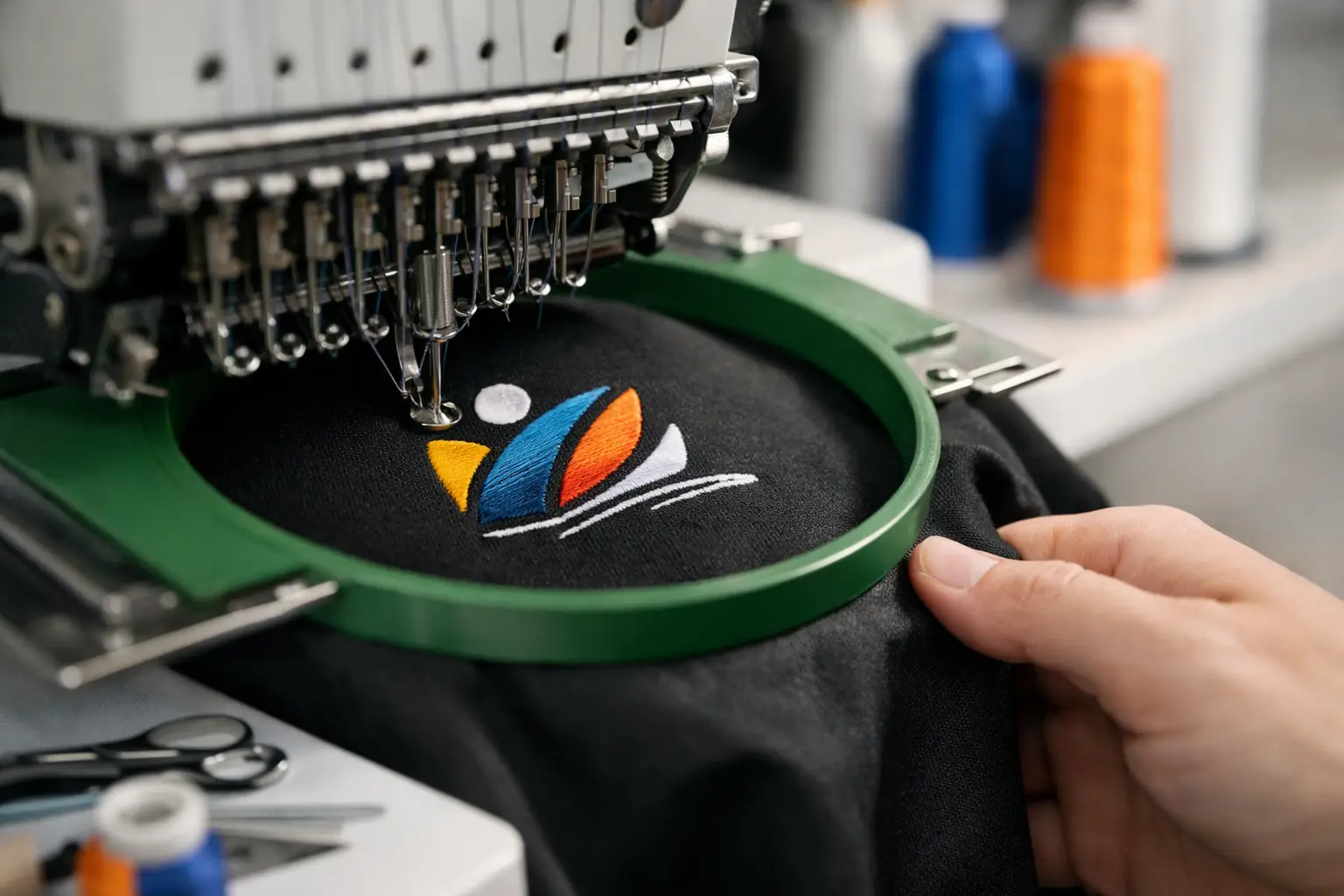
A company polo can look polished in a digital mockup and still disappoint when the finished logo is too small, too dense, or placed on the wrong fabric. So, can logos be embroidered? Yes – and embroidery is often one of the most durable, professional ways to apply a logo to workwear, uniforms, caps, bags, and selected promotional items. The result depends on the artwork, product material, logo size, and the production decisions made before the first stitch runs.
For corporate teams, embroidery is not simply a decoration method. It is a practical choice for creating branded apparel that staff can wear repeatedly, clients can receive with confidence, and event teams can use in demanding settings. Knowing where it works best helps avoid wasted budget and last-minute production issues.
Can Logos Be Embroidered on Any Product?
Most logos can be embroidered, but not every logo will embroider well at every size or on every item. Embroidery uses thread rather than ink, which gives a raised, textured finish. That makes it especially suitable for polos, button-down shirts, jackets, fleece, caps, aprons, uniforms, tote bags, and some backpacks.
The product itself matters. Stable, medium-weight fabrics usually produce the cleanest result because they can support the stitches without puckering. Cotton piqué polos, twill caps, woven work shirts, canvas bags, and corporate jackets are dependable options. Stretchy activewear, very thin T-shirts, waterproof fabrics, and heavily padded items may still be embroidered, but they require more care in backing, needle selection, and logo simplification.
A logo can also be technically possible yet commercially impractical. A large, highly detailed design on a lightweight polo may cost more, feel heavy against the fabric, and not look as crisp as a screen-printed alternative. The best method should suit the item’s purpose, expected wear, quantity, and available budget.
What Makes a Logo Suitable for Embroidery?
The strongest embroidered logos are clear, high contrast, and designed with enough open space between elements. Bold lettering, simple icons, and defined outlines translate well into thread. Fine lines, tiny text, subtle gradients, and closely packed details are more challenging because thread has physical thickness.
For example, a corporate logo with a symbol and company name may look excellent on the left chest of a polo when the text is large enough to remain readable. If the same logo includes a small tagline, registration number, or several thin graphic lines, those details may need to be removed or enlarged for embroidery. This is not a compromise in brand standards. It is an adjustment that protects legibility on a textured surface.
Color is another consideration. Embroidery machines work with individual thread colors, not unlimited blended shades. Solid brand colors reproduce well. Gradients and photographic effects generally do not. Where a logo includes several similar shades, a production team may recommend a small number of thread colors that maintain the overall brand appearance without creating visual clutter.
Before production, the artwork is digitized into a stitch file. This tells the embroidery machine where to place stitches, which stitch type to use, and when to change thread colors. A clean vector logo is ideal, but a high-resolution image can often be prepared for review. Digitizing is where experienced production support makes a visible difference, particularly for intricate logos or products with unusual fabric textures.
Small Text Has Real Limits
Small text is the most common reason a logo needs revision. On a business card or website header, lettering can be tiny and still sharp. On an embroidered chest logo, letters need enough height and spacing for thread to form them cleanly.
As a general production principle, avoid relying on tiny text for important information. Use the company name, a recognizable icon, or a short department label. If a campaign message, website address, or event date must appear, consider placing it on a larger back panel, sleeve, bag surface, or printed companion item instead.
Choosing the Right Logo Placement
Placement affects both appearance and usability. A left-chest logo remains the standard for corporate polos, button-downs, jackets, and uniforms because it is visible in meetings, retail spaces, trade shows, and team photographs without overwhelming the garment. It is also a practical size for most embroidered designs.
Caps are another popular choice, especially for field teams, sports events, roadshows, and outdoor campaigns. The front center panel gives the most prominent display area, while a side or back placement can work for a secondary mark. Structured caps usually hold embroidery particularly well, whereas unstructured or thin caps may require simpler artwork.
For bags, placement should account for pockets, seams, zippers, and carrying handles. A logo that appears centered on a product photo may sit awkwardly once a bag is filled or worn. On backpacks and laptop bags, a front panel often offers the best balance of visibility and stability. On tote bags, embroidery creates a premium look, though a large printed design may be more cost-effective for campaign giveaways.
Jackets and outerwear create more room for branding but also require restraint. A small chest logo paired with a larger embroidered back design can work for event crews, security teams, or staff uniforms. For executive gifts or client-facing apparel, a subtle chest placement is usually the stronger choice.
When Embroidery Is Better Than Printing
Embroidery is valued for durability and a premium finish. Thread holds up well to repeated use and washing, making it a reliable option for uniforms, hospitality apparel, corporate jackets, and staff polos. It also has a tactile quality that many businesses associate with established, professional branding.
Printing may be the better option when the design is large, highly detailed, photographic, or gradient-heavy. It can also be more suitable for lightweight event T-shirts, large-volume promotional campaigns, or artwork that needs multiple colors across a broad area. Neither method is automatically better. The right choice follows the application.
A useful way to decide is to consider how the item will be used. For long-term uniforms, embroidered logos often justify the investment. For a one-day fun run, product launch, or mass giveaway, printing may deliver stronger visual impact at a more efficient cost. A mixed approach can also work well: embroidered polos for staff and printed T-shirts or totes for attendees.
Planning Cost, Quantity, and Lead Time
Embroidery pricing is commonly influenced by stitch count, number of logo locations, thread colors, product type, and order quantity. A small one-color chest logo typically requires fewer stitches than a large multicolor back design. More stitches generally mean more machine time, which affects cost.
Ordering more units can improve unit pricing, but businesses should avoid over-ordering simply to reach a lower price point. Think about team size, new-hire needs, event attendance, and whether garments will be used across multiple programs. For recurring uniforms, a planned reorder quantity is often more practical than keeping excessive stock in storage.
Lead time should include product sourcing, artwork review, digitizing, sample approval where needed, production, and delivery. Short deadlines are possible in some cases, but they reduce flexibility around product availability and revisions. For a major conference, employee onboarding program, or regional event, starting early gives more choice in garment sizes, colors, and branding options.
At Global Asia Printings, project guidance can cover the product selection, logo preparation, placement recommendations, and production planning needed to keep corporate orders moving efficiently. This is especially useful when multiple items, sizes, or event deadlines need to be coordinated under one order.
A Practical Checklist Before You Approve Production
Before confirming embroidery, review the actual logo size rather than relying only on a digital artwork file. Ask how fine details and small text will appear in thread, and confirm the placement against seams, pockets, zippers, or panels. If the order involves uniforms, check that the chosen garment has the right fit, fabric weight, and color range for the team.
It also helps to decide which visual element matters most. If brand recognition is the priority, a simplified logo icon and company name may be more effective than trying to reproduce every detail. If the item is intended as a premium gift, choose a product with a fabric and construction quality that matches the elevated embroidery finish.
A well-planned embroidered logo does more than identify an organization. It helps employees look consistent, gives event teams a clear presence, and turns practical products into brand assets that continue working long after the event has ended.