


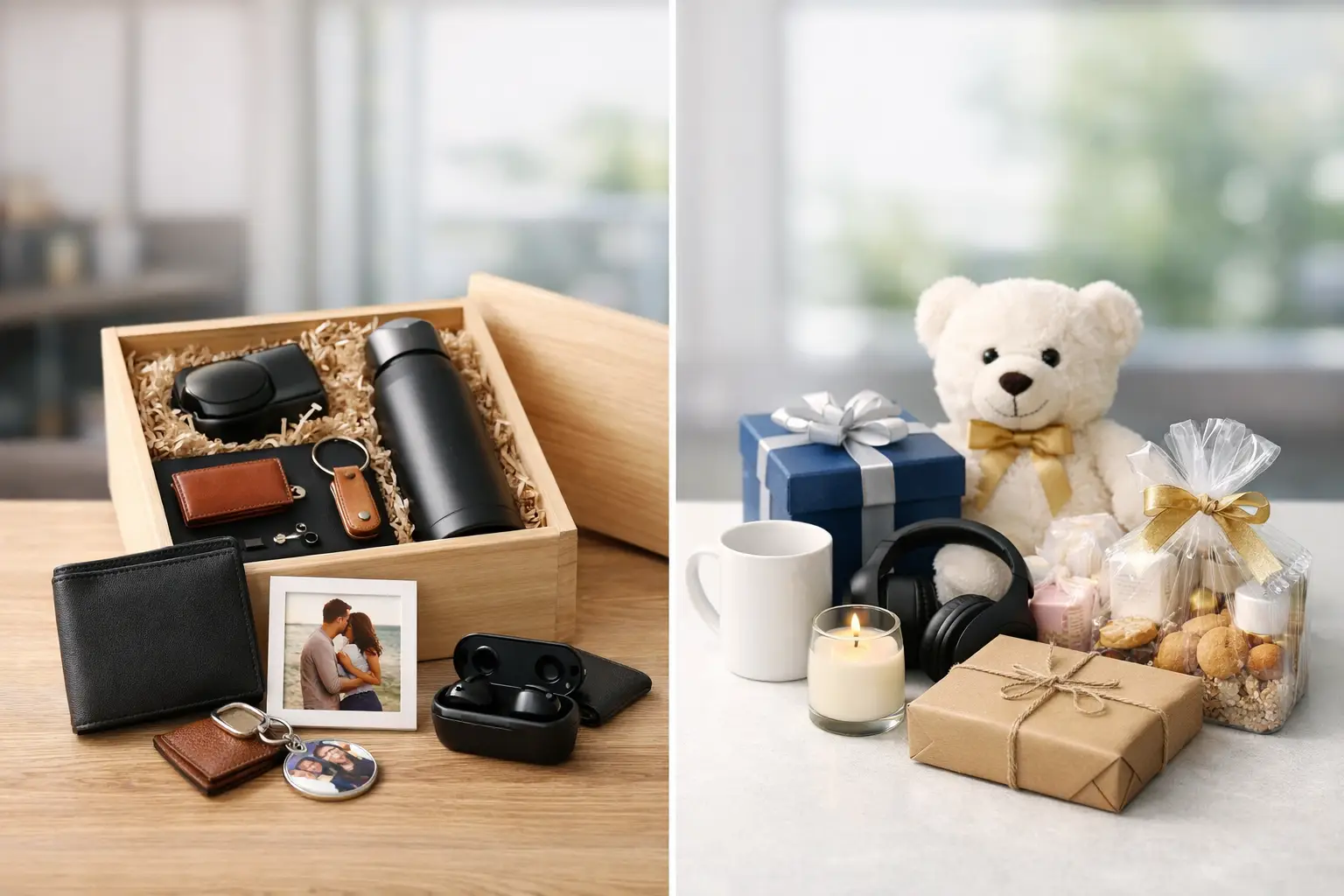
A conference is three weeks away. Your team needs attendee gifts, staff apparel, and a few premium items for VIPs. The usual question follows: custom gifts vs ready stock? The right answer is rarely just about price. It affects lead time, brand visibility, order risk, and how much coordination your team will need before event day.
For business buyers, the choice is not between a good option and a bad one. Ready-stock merchandise can be the most practical route for a tight deadline, while custom gifts can turn an ordinary campaign into something people remember and keep. The best decision starts with the purpose of the item, not the product itself.
What ready-stock merchandise does well
Ready-stock items are existing products that can be selected from available inventory and branded with your logo, message, or event artwork. Think standard T-shirts, tote bags, drinkware, notebooks, lanyards, USB drives, umbrellas, and popular electronics accessories. Because the base product is already manufactured, the project mainly involves confirming stock, preparing artwork, and completing the chosen print or branding method.
This makes ready stock a strong fit for launches, roadshows, staff onboarding, school programs, conferences, and internal events where the deadline is fixed. It gives procurement and marketing teams a clear product choice early, with fewer variables around materials, molds, colors, and production approvals.
Ready stock can also be a smart way to test demand. If you are running a first-time campaign, ordering an established item in a manageable quantity can reveal what recipients actually use. A well-made branded tumbler or quality cotton tee often delivers more value than an elaborate concept that misses the audience.
The trade-off is differentiation. Your logo, design, and packaging can still make the item feel on-brand, but the product shape, material options, and core specifications are limited to what is available. Inventory can change quickly, particularly for popular colors, seasonal goods, or large quantities. Fast decisions are helpful, but they should never replace a stock check before artwork is finalized.
When custom gifts create a stronger return
Custom gifts are developed or modified specifically for your campaign. Depending on the project, customization can involve a unique product shape, custom Pantone colors, tailored dimensions, specialized packaging, an original kit configuration, or a fully branded apparel design. These projects are especially effective when the gift represents a major brand moment rather than a routine giveaway.
A company anniversary, client appreciation program, product launch, leadership offsite, or premium employee milestone may justify a more tailored approach. A thoughtfully designed gift set can communicate that the recipient was considered, not simply added to a distribution list. For external audiences, that attention can strengthen perceived brand quality before the product is even used.
Custom projects also give teams more control over the experience. A travel kit can be built around the needs of incentive-trip attendees. A welcome box can combine a custom jacket, notebook, bottle, and event card in one consistent visual system. For a trade show, a useful product designed around the audience can stand apart from generic handouts competing for attention.
However, custom does not automatically mean better. It requires more planning, clearer specifications, and enough time for sampling and approval. Changes made after production begins can affect timing and cost. Minimum order quantities are often higher than ready-stock items because production is set up specifically for your order. If the campaign message is still evolving, a highly custom item may create unnecessary pressure.
Custom gifts vs ready stock: compare the real project factors
The most effective choice comes from looking at the complete order, including the operational demands behind it.
Lead time and deadline certainty
Ready-stock merchandise usually has the advantage when the event date is close. Once inventory is confirmed and artwork is approved, production can move quickly. This is particularly valuable for last-minute staff uniform requirements, event registration packs, and urgent client gifts.
Custom gifts require a longer runway. Product development, material sourcing, pre-production samples, mass production, quality checks, and delivery all need to be considered. The added time is worthwhile when the design itself is central to the campaign, but it is not a process to compress casually. A practical rule is simple: if the event cannot move, choose a production route that leaves room for unexpected revisions.
Budget and total cost
Ready-stock products often offer a lower entry cost because the supplier is not creating a new base item. They are also easier to compare across quantities and product categories. For organizations working with a firm per-person budget, this can make planning more predictable.
Custom gifts may have higher setup costs, higher minimum quantities, or more expensive freight and packaging requirements. Yet the per-unit value can improve at larger volumes, especially when a custom product replaces several separate items. The question is not only, “What does each piece cost?” Ask what the item needs to achieve. A premium executive gift intended for 100 key clients should be evaluated differently from 5,000 event giveaways.
Branding and perceived value
A ready-stock product with a clean logo application, appropriate color selection, and quality material can look polished and professional. Brand presentation depends heavily on print placement, artwork quality, and the right customization method. A rushed logo on an unsuitable surface can weaken even an expensive item.
Custom gifts offer more ways to build brand recognition into the product itself. A branded color palette, custom zipper pull, embossed detail, or tailored box can create a more cohesive result. This is useful when the gift will be photographed, presented on stage, or delivered to high-value audiences. Still, subtle branding is often more effective than covering every surface with a logo.
Quantity, flexibility, and replenishment
Ready stock works well for variable headcounts. If registrations increase or a department needs a small top-up order, an available catalog item may be easier to replenish. It also allows teams to mix price points, such as a practical standard gift for all attendees and a premium upgrade for speakers or VIP guests.
Custom orders are better suited to stable forecasts. Once production is underway, adding units may require a new run, and matching a previous batch can depend on material availability. If your audience numbers are uncertain, build a sensible buffer into the order or select a ready-stock option for the flexible portion of the program.
Match the merchandise to the occasion
The purpose of the gift should guide the decision. For a large career fair, useful ready-stock essentials such as lanyards, notebooks, tote bags, or charging accessories can support high-volume distribution without overcomplicating logistics. For employee uniforms, ready-stock apparel with professional printing or embroidery may be the fastest way to create a coordinated look across teams.
For a major customer event, a custom gift may be worth the additional investment if it supports a specific message. A sustainability campaign could use a carefully sourced reusable item with packaging that explains the initiative. A new product launch might call for a custom kit that gives recipients a reason to interact with the brand after the event.
Hybrid programs often work best. Use ready-stock merchandise for broad distribution and reserve custom items for key moments or priority audiences. This approach keeps the main order efficient while giving your campaign a premium layer where it matters most.
Plan early, even when you choose ready stock
Ready stock is not the same as zero planning. Start with the recipient profile, event date, quantity, budget, and delivery requirements. Then confirm the exact product specification, available colors, print area, and artwork format before committing. If the item includes apparel, collect size requirements early. If it will be packed into event kits, check the final dimensions and packing sequence.
For custom work, begin with a clear brief that covers intended use, must-have features, brand colors, quantity, target budget, and desired delivery date. Ask for a realistic production schedule and sample process. The more decisions made before production, the fewer surprises appear close to launch.
Working with one experienced partner can reduce the friction of managing multiple vendors for sourcing, printing, packing, and event materials. Global Asia Printings helps organizations align product selection, customization, and delivery around the actual demands of the project, rather than forcing every request into one product type.
The strongest merchandise choice is the one recipients will value and your team can deliver with confidence. Choose ready stock when speed, flexibility, and dependable execution lead the brief. Choose custom when the product itself must carry the campaign story. Either way, give the details the attention they deserve – that is where a branded item becomes a worthwhile business investment.