


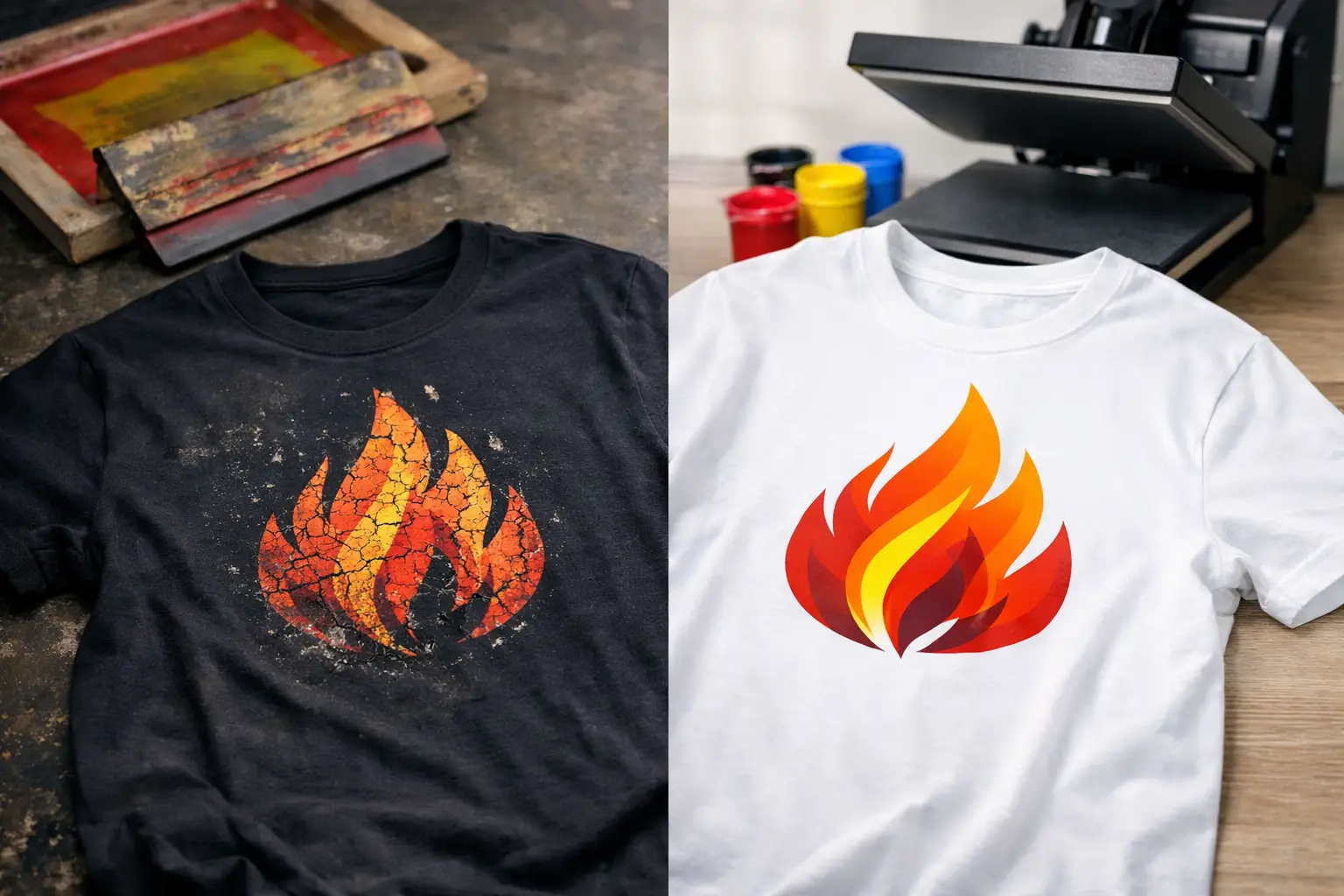
A promo tee can look excellent on delivery day and disappointing after a few wash cycles. That is usually the moment buyers start asking which printing method lasts longer, especially when the order is tied to uniforms, event apparel, staff kits, or merchandise meant to represent a brand well over time.
The short answer is that screen printing and embroidery usually lead for durability, but the real answer depends on the item, fabric, artwork, washing conditions, and how the product will be used. A giveaway tee for a one-day event does not need the same print strategy as a work polo worn twice a week for a year. If you are buying for a business, the smartest decision is not just choosing the toughest method. It is matching the method to the product and the job it needs to do.
Which printing method lasts longer on apparel?
If durability is the main priority, screen printing is often the strongest choice for cotton T-shirts and bulk apparel. The ink sits firmly on the fabric, holds color well, and can withstand repeated washing when the print is produced correctly. It is a reliable option for company tees, campaign shirts, school apparel, and event uniforms where you want a clean, consistent logo application across volume.
Embroidery can last even longer than many print methods because it is stitched rather than printed. On polos, caps, jackets, and uniforms, embroidery generally outperforms standard print options in long-term wear. It resists fading well, does not crack like some surface-applied methods, and gives a more premium finish. The trade-off is that it is not ideal for every artwork style. Fine gradients, large filled areas, and photo-like designs usually do not translate as well in thread.
Sublimation is another strong performer, but only in the right conditions. Because the dye bonds into polyester rather than sitting on top, sublimated prints can stay vibrant for a long time without peeling or cracking. For sports jerseys, performance wear, and polyester event apparel, sublimation is often one of the best answers to which printing method lasts longer. The limitation is material compatibility. It works best on light-colored polyester and is not the right method for every garment type.
Direct-to-garment, or DTG, can produce excellent detail and soft hand feel, especially for complex artwork and smaller runs. Durability can be good, but in most business-use comparisons it does not usually outlast quality screen printing on heavily used garments. DTG is more sensitive to garment type, ink quality, pretreatment, and wash care. It is a useful method, but not usually the first choice when maximum lifespan is the top priority.
Heat transfer and vinyl can work well for names, numbers, and short-run customization, but they tend to have a shorter visual life than screen printing, embroidery, or sublimation under frequent washing and rough use. Over time, some transfers may peel, crack, or lose edge quality, particularly if the garment is exposed to high dryer heat or repeated industrial laundering.
Durability depends on more than the printing method
This is where many print comparisons become too simple. The method matters, but so do the shirt, the artwork, and the expected wear pattern.
Fabric choice has a major impact. A premium combed cotton shirt will often hold a print better than a low-cost garment with inconsistent surface texture. Polyester behaves differently from cotton, and blends can introduce their own challenges. If the fabric stretches heavily, some print types will stress more quickly than others.
Artwork matters too. A small left-chest logo usually lasts better than a large full-front solid block because there is less surface area to flex and less ink or material under strain. Fine line details may also age differently depending on the method used.
Wash care changes outcomes more than most buyers expect. Turning garments inside out, washing in cold water, and avoiding aggressive dryer heat can significantly extend print life. If the apparel is for field staff, outdoor crews, or event teams who will wash items frequently and without special care, it makes sense to choose a method with more tolerance for hard use.
Production quality is another factor. Even the best print method can underperform if the artwork is not prepared correctly, the curing is off, or the garment and method were poorly matched from the start. That is why experienced guidance matters, especially for larger business orders where consistency across the batch is just as important as longevity.
Screen printing vs embroidery: which lasts longer?
For many corporate buyers, this is the most practical comparison.
Embroidery often wins on pure lifespan, especially on structured garments like polos, jackets, uniforms, and caps. The stitched logo holds up exceptionally well and maintains a polished, professional appearance after repeated use. If your brand standard leans premium and the garments are meant for long-term wear, embroidery is usually a safe investment.
Screen printing, however, can be the better overall fit for T-shirts and high-volume branded apparel. It offers strong durability, excellent color impact, and better cost efficiency at scale. It also handles larger graphics and bolder visual designs more naturally than embroidery. If you need hundreds of event tees or campaign shirts with consistent branding, screen printing often gives the best balance of cost, appearance, and wear life.
So which lasts longer between the two? On many garments, embroidery edges ahead. But which works better for your order depends on the garment category, design style, and budget.
Which printing method lasts longer for event and promotional use?
For short-term campaigns, durability should be judged differently. A conference tote bag, roadshow T-shirt, or event giveaway does not always need the most permanent method available. It needs to look good through the event, support the brand well, and fit the budget.
That said, some promotional items do stay in circulation for months or years. Tote bags, water bottles, staff apparel, lanyards, and premium gifts often continue representing the company long after the event. In these cases, the best print choice is usually the one that matches both the item and the intended lifespan.
On cotton totes and T-shirts, screen printing remains a dependable option. On uniforms and polos, embroidery is often worth the extra investment. On polyester sportswear or active event shirts, sublimation is hard to beat for color retention and wear. For individual personalization at live events, heat transfer may be the practical choice even if it is not the longest-lasting method overall. The use case drives the decision.
This is also where a one-vendor approach helps. When a buyer is sourcing apparel, promotional products, and event branding together, print decisions should be made in context, not item by item in isolation. A dependable supplier can help balance appearance, quantity, turnaround, and expected durability across the full project.
How to choose the right method for long-lasting results
Start with the product category. If it is a polo, jacket, or cap, embroidery should be part of the discussion early. If it is a cotton T-shirt in bulk, screen printing is usually the first method to evaluate. If it is polyester activewear, sublimation deserves serious consideration.
Next, think about how often the item will be worn and washed. Staff uniforms, team apparel, and retained merchandise need more durable methods than one-time event giveaways. Then review the artwork. A simple logo opens up more durable options than a photo print or highly detailed gradient design.
Budget should be considered realistically, not just at unit price level. A method that costs slightly more but holds up twice as long can offer better value, especially for uniforms or premium branded apparel. Reprints, replacements, and poor presentation all carry costs too.
Finally, work with a print partner that asks the right questions. At Global Asia Printings, that usually means looking at the product, artwork, timeline, and use case together before recommending a method. That approach helps buyers avoid a common mistake: choosing based on popularity instead of performance.
If you are deciding which printing method lasts longer, the best answer is the one that still looks right after real use, not just after production. When the method matches the garment and the purpose, your branding keeps working long after the event is over.