


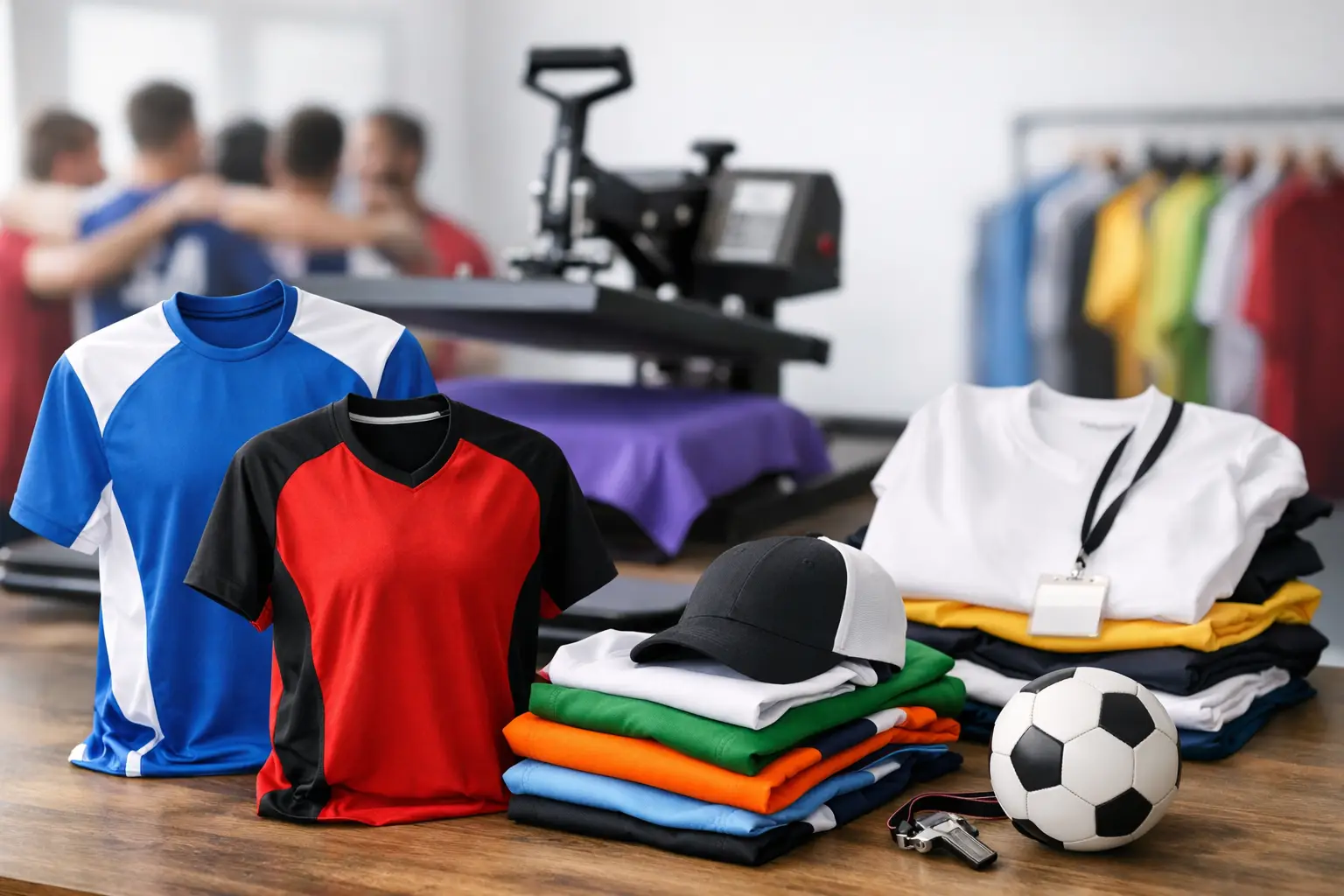
A uniform has to work harder than a giveaway T-shirt. It represents your organization in front of customers, keeps staff recognizable during busy operations, and needs to stay presentable after repeated wear. This uniform printing guide is designed for teams planning corporate apparel, school uniforms, event crew shirts, retail staff wear, and branded workwear without costly production surprises.
The best starting point is not the logo. It is the job the garment needs to do. A lightweight event T-shirt, a front-desk polo, and an outdoor technician jacket may all carry the same brand, but they require very different fabrics, print approaches, and budget decisions.
Start with the uniform’s real use
Before selecting colors or requesting a quotation, define where, how, and how often the uniform will be worn. This gives your printer the information needed to recommend garments that look appropriate and hold up in use.
For a one-day roadshow or charity run, comfort, visibility, and cost per piece may matter most. Cotton or cotton-blend T-shirts with a clear front or back print are often practical. For customer-facing staff, polos can create a more polished appearance while remaining easy to size across a large team. For warehouse, field, security, or outdoor teams, durability, weather suitability, and reflective details may take priority over a large graphic.
Think about laundering as well. Staff uniforms are often washed frequently, so the lowest initial cost is not always the best value. A print method that looks sharp on day one but cracks after several washes can undermine the professional image you intended to create. Ask how the proposed decoration is expected to perform on the selected fabric and whether a sample can be reviewed before full production.
Choose garments before choosing print methods
The garment determines much of what is possible. Fabric weight, fiber content, color, fit, and construction all affect print quality and wearability.
Cotton is comfortable, familiar, and well suited to many screen-printed designs. Polyester is lightweight and commonly used for sportswear, active events, and uniforms that need moisture management. Cotton-poly blends can balance comfort with durability, although their mixed fibers may require more specific printing settings. For polos and jackets, embroidery is often worth considering because it provides a raised, premium finish that suits smaller chest logos well.
Color selection needs the same practical thinking. A black polo can feel professional and hides minor stains, but large prints may require an underbase and add to production complexity. White garments make colorful artwork stand out, yet can be less forgiving in hospitality or operational environments. If your brand uses a precise corporate color, provide the correct reference early. Printed ink, thread, and garment dye do not always reproduce a digital screen color exactly, especially across different materials.
Sizing is another point where planning saves time. Corporate orders usually need a mixed size run, and individual preferences vary between unisex, men’s, and women’s cuts. Confirm the size chart for the actual garment model rather than assuming sizes are consistent across brands. For events, it is sensible to include a limited quantity of spare pieces in common sizes for late additions, replacements, or on-site crew changes.
This uniform printing guide to print methods
There is no single best method for every uniform. The right choice depends on artwork, garment fabric, quantity, placement, durability expectations, and delivery schedule.
Screen printing is a strong option for medium to large orders with bold artwork and a limited number of colors. It produces solid, consistent results and can be economical at volume because setup costs are spread across more pieces. It is less suitable when every item needs a different name or number, or when the artwork contains many shades and fine photographic detail.
Heat transfer printing applies a prepared design to the garment with heat and pressure. It works well for names, numbers, small orders, and variable data. Modern transfers can produce detailed full-color designs, though the finished feel can be more noticeable than ink printed directly into fabric. This is often an efficient choice for team jerseys, event crews, and uniforms with personalized roles.
Direct-to-garment printing is useful for detailed, full-color artwork on suitable cotton-rich apparel, particularly for smaller runs. It can reproduce gradients and photographic elements without separate screens for each color. The garment color and fabric composition still matter, so it should be assessed against the required finish and wash performance.
Sublimation is designed for polyester garments, especially light-colored sportswear. The design becomes part of the fabric rather than sitting on top of it, which gives a breathable finish. It is excellent for all-over designs but is not a universal solution for dark cotton polos or standard workwear.
Embroidery creates a durable, textured mark that is popular on polos, caps, jackets, and corporate outerwear. Fine details, very small text, and large stitched areas need careful adjustment, as thread has physical limits. A skilled production team can simplify artwork where needed while keeping the logo recognizable.
Prepare artwork that will reproduce clearly
A logo file that looks good in an email signature is not automatically ready for apparel printing. Small details can fill in, thin lines can disappear, and gradients may need a different process than a one-color mark.
Vector artwork is generally preferred for logos because it can scale cleanly. Common vector formats include AI, EPS, PDF, and SVG. High-resolution PNG files may work for some full-color applications, but a low-resolution screenshot or compressed image will not produce a crisp result simply because it is enlarged.
Share the intended print size and placement with the artwork. A left-chest logo may need a simplified version of the design, while a large back print allows more detail. If uniforms include employee names, departments, sponsor marks, or event dates, check all spelling and role lists before production begins. Once personalized printing is approved, changes can create reprint costs and delay dispatch.
Proof approval is a practical safeguard, not a formality. Review spelling, garment color, logo placement, print dimensions, and the number of colors. If the order is high value, brand-sensitive, or intended for an important event, request a physical sample or pre-production confirmation where timing allows.
Plan quantities and timelines around reality
Uniform projects often become urgent because sizing lists arrive late, event schedules change, or stakeholder approvals take longer than expected. The production timeline should include more than the time required to print garments. It also needs to cover garment sourcing, artwork preparation, proofing, size consolidation, production, quality checks, packing, and delivery.
Ordering early creates better options. You may have access to a broader garment range, more flexibility on colors and sizes, and time to refine samples. Rush orders can still be possible, but choices may be limited by stock availability and production capacity. If you have a fixed launch, conference, or event date, communicate it at the first inquiry rather than after artwork approval.
For larger organizations, consider ordering in phases. A core launch order can cover confirmed employees, followed by a smaller replenishment batch after new hires or late size changes are known. This approach reduces waste, although small follow-up runs may carry a higher unit cost. The better choice depends on how stable your headcount is and whether consistent garment models will remain available.
Build a uniform system, not just a shirt order
The most effective uniform programs are consistent without making every role look identical. A shared brand color and logo placement can connect office staff, event crew, and managers, while garment types distinguish their responsibilities. For example, crew members may wear branded T-shirts, supervisors may wear polos, and outdoor staff may receive jackets or caps.
This system also helps when your branding extends beyond apparel. Matching lanyards, tote bags, name badges, drinkware, or event signage can create a more coordinated experience for visitors and staff. Managing these items through one production partner reduces the risk of mismatched colors, duplicated artwork versions, and separate delivery schedules.
At Global Asia Printings, uniform projects can be planned alongside custom merchandise and event branding requirements, giving teams one point of contact from product selection through fulfillment. That is particularly valuable when a corporate event needs staff apparel, participant gifts, and booth materials delivered on the same deadline.
Avoid the mistakes that make uniforms look rushed
The most common issue is selecting a print method based only on the lowest quoted price. A better decision considers the garment, the design, intended wear, and order volume together. Another frequent problem is approving artwork on a phone screen without checking actual print dimensions. Small chest logos and detailed sleeve prints deserve close review.
Also avoid treating stock as guaranteed until the order is confirmed. Popular sizes and colors can move quickly, especially before large events or seasonal programs. Keep communication clear about required quantities, individual sizes, delivery location, and the final in-hand date.
A well-planned uniform does more than place a logo on fabric. It gives employees something comfortable to wear, gives customers a clear visual cue, and gives your organization a consistent presence when it matters most. Start with the working conditions, allow time for sound production decisions, and the finished apparel will support your team long after the first event ends.