


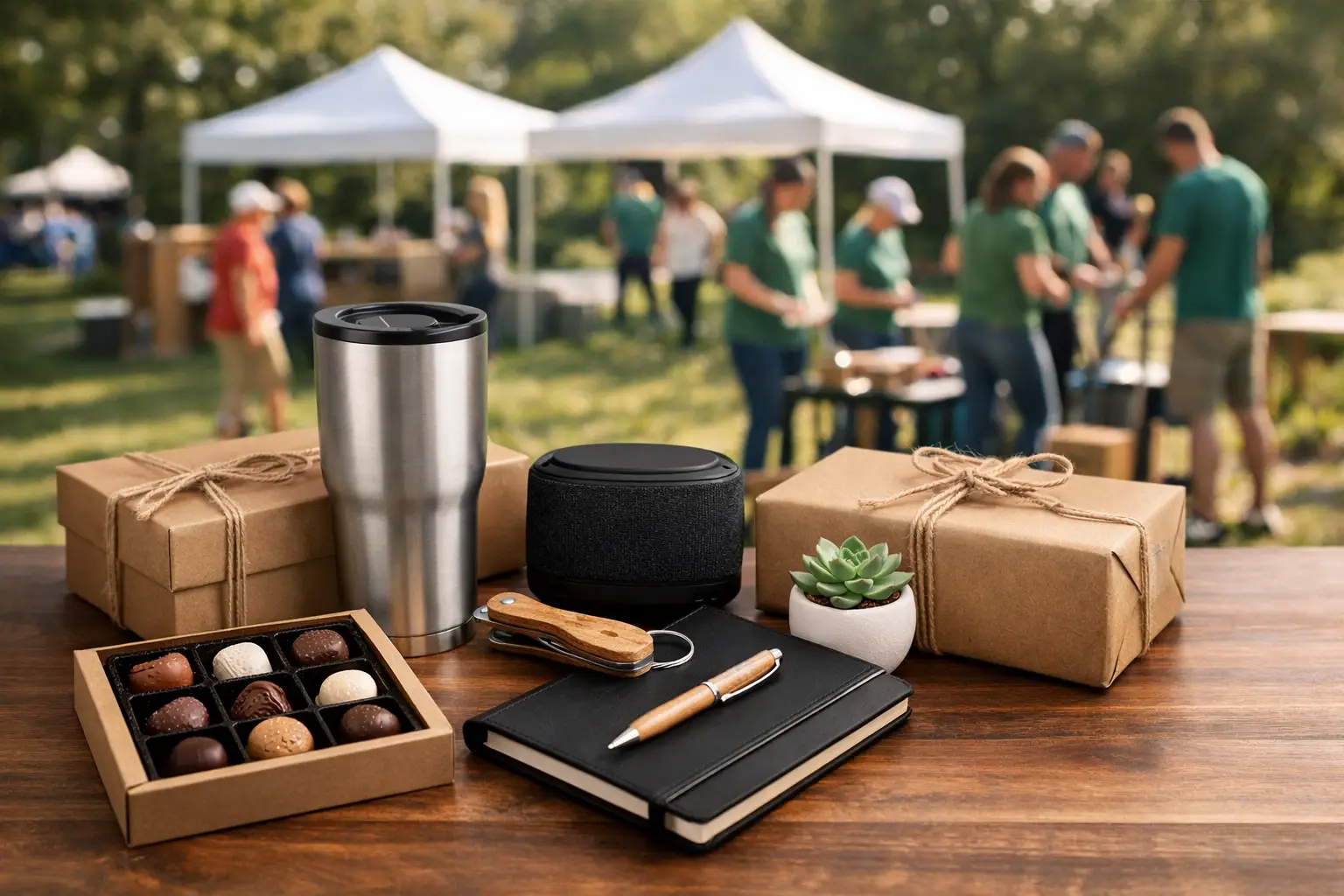
A grassroots event can have strong attendance, real community energy, and clear brand visibility – yet still miss the mark if the giveaway feels generic, cheap, or disconnected from the audience. A well-planned Custom Corporate Gift for Grassroots Events does more than fill a table. It helps people remember who organized the event, what the campaign stood for, and why the brand felt credible on the ground.
That matters because grassroots events are different from trade shows, gala dinners, or executive client gifting. The crowd is broader. The pace is faster. The touchpoints are shorter. In many cases, organizers are managing public footfall, volunteer teams, sponsors, venue rules, and tight budgets all at once. The gift has to work hard without creating extra complexity.
Why grassroots events need a different gifting strategy
At a grassroots event, branded merchandise is often part of the live experience, not an afterthought. People may receive it at registration, during a roadshow activation, at a school outreach booth, or after participating in a community challenge. That means the item needs to be immediately useful, easy to distribute, and suitable for a mixed audience.
The usual corporate gifting logic does not always apply. A premium desktop item may be appropriate for a boardroom meeting, but not for a neighborhood sports day or public engagement campaign. On the other hand, a low-cost item that looks rushed can weaken the brand impression, especially if the event is tied to public trust, education, or community partnership.
The right approach balances three things: visibility, practicality, and production feasibility. If one of those is missing, the gift may underperform. A visually strong item that arrives late is a problem. A practical item with poor print quality is also a problem. And a gift that fits the budget but does nothing for recall is just spend without return.
What makes a custom corporate gift for grassroots events effective
A useful item usually wins over a novelty item. Tote bags, T-shirts, water bottles, lanyards, notebooks, umbrellas, and simple tech accessories tend to perform well because people can use them during or after the event. Repeated use extends the value of the campaign beyond a single day.
Still, usefulness alone is not enough. The product also needs to fit the event setting. If the event is outdoors, heat, rain, and portability matter. If the audience includes students or families, sizing, safety, and universal appeal matter. If the program is government-related or institution-led, the design may need to be more formal and message-driven than promotional.
Branding should also match the role of the item. Some gifts are designed for high visibility, such as shirts, caps, or bags carried across the venue. Others work better for retention, such as notebooks or desk accessories that stay with the recipient after the event. Strong planning starts by deciding whether the goal is crowd visibility, participant appreciation, sponsor recognition, or long-term brand recall.
Start with the event objective, not the product catalog
One of the most common mistakes in merchandise planning is choosing an item too early. Buyers often begin by asking what is popular, but the better question is what the event needs the product to do.
If the priority is mass distribution, the product should be affordable, stackable, and quick to hand out. If the goal is to reward participation, the item can be slightly more premium or personalized. If the event includes volunteers or staff, branded apparel may serve both as a gift and as an operational tool for visibility and coordination.
This is where experienced production support makes a difference. A one-stop vendor can help narrow options based on audience size, print method, artwork complexity, and delivery timeline instead of simply offering a long list of products. That reduces the risk of choosing an item that looks good in concept but causes issues in production or event handling.
Best product categories for grassroots event gifting
For most grassroots campaigns, the strongest product categories are the ones that combine visibility with easy fulfillment. Apparel remains a reliable option, especially event T-shirts, polos, and caps. These items help unify staff and participants while turning attendees into moving brand exposure.
Bags are another strong choice because they are functional on-site and often reused later. A well-printed tote bag can carry other event materials, which also improves distribution flow. For school and family-oriented events, stationery and simple drinkware are often safe choices because they are broadly useful and easy to size across audiences.
Lanyards work particularly well when access passes, IDs, or sponsor tags are part of the event setup. They are inexpensive, visible, and operationally useful. If the event has a higher perceived value or a more targeted audience, organizers may consider travel accessories, premium notebooks, or compact electronics, but these should be used selectively. Not every grassroots event needs a premium item. In many cases, consistency and relevance matter more than price per piece.
Budget planning without compromising impact
Grassroots events often run on tight budget controls, especially when quantities are high. That does not mean the merchandise has to feel low-value. It means the budget has to be allocated with discipline.
A better strategy is to segment the gifting plan. Mass attendees might receive a practical standard item, while speakers, partners, volunteers, or competition winners receive something more premium. This creates a more efficient spend than giving everyone the same item regardless of role.
Print method also affects cost and quality. A one-color logo may keep apparel and bags cost-effective at scale, while full-color heat transfer or more complex decoration may be better reserved for selected items. Packaging is another area where buyers can overspend without much return. For many community events, simple, clean presentation is enough. The product itself and the clarity of branding do the heavy lifting.
Lead time has budget impact too. Rush jobs reduce options and can increase unit cost. Early planning usually gives access to better product choices, smoother approval timelines, and fewer substitutions.
Design choices that work in public-facing environments
Grassroots event merchandise needs branding that reads clearly at a glance. Overloaded layouts, tiny text, and overly subtle color choices can disappear in busy event environments. Simpler design usually performs better, especially on shirts, bags, and lanyards.
That does not mean the branding should be plain. It means the message should be prioritized. If the event has a campaign theme, anniversary, sponsor group, or call to action, those elements should be ranked clearly. Trying to fit every logo and line of copy onto one small item usually weakens the final result.
Color choice matters as well. Dark prints on dark fabric or low-contrast artwork on synthetic materials can reduce visibility. Material selection should support the branding, not fight it. Buyers also need to consider how the item will photograph. Community events often generate internal reports, sponsor recaps, and social media coverage, so products that look clear and consistent on camera have added value.
Operations matter as much as the product
The best item can still fail if the execution is poor. For grassroots events, practical details matter: packing by quantity, sorting by size, labeling by distribution zone, and aligning delivery timing with setup schedules. These are not minor details for the organizer. They directly affect event-day control.
That is why many buyers prefer working with a supplier that can manage sourcing, customization, print production, and event support under one roof. It reduces handoff errors and saves time when artwork changes, quantities shift, or event logistics become more complicated than expected. For teams managing campaigns across multiple venues or departments, that coordination is often as valuable as the merchandise itself.
For some activations, live on-site printing can add another layer of engagement. Personalized names or made-at-event items create a stronger participant experience, though this approach depends on venue flow, manpower, and queue tolerance. It works best when the event is designed around interaction rather than high-volume speed.
Common mistakes to avoid
The biggest mistake is choosing a gift based on internal preference instead of audience behavior. What the organizing team likes may not be what attendees will keep or use. Another common issue is underestimating quantity planning. Running short on merchandise can create dissatisfaction, but over-ordering the wrong item can leave costly leftovers.
Buyers also run into trouble when they approve artwork too late or do not account for product availability changes. During peak event seasons, stock can move quickly. Flexibility helps, but so does working with a supplier that can guide substitutions without compromising the campaign.
A final issue is fragmented procurement. When apparel, gifts, print materials, and booth setup are handled by separate vendors, coordination becomes slower and accountability becomes weaker. For organizers with live deadlines, that fragmentation creates unnecessary risk.
Choosing the right custom gift for a grassroots event is not about picking the fanciest item. It is about matching the product to the audience, the message, the environment, and the operational reality. When those pieces align, the gift stops being a giveaway and starts working as part of the event itself. For teams planning under pressure, that kind of reliability is what turns branded merchandise into a practical advantage.