


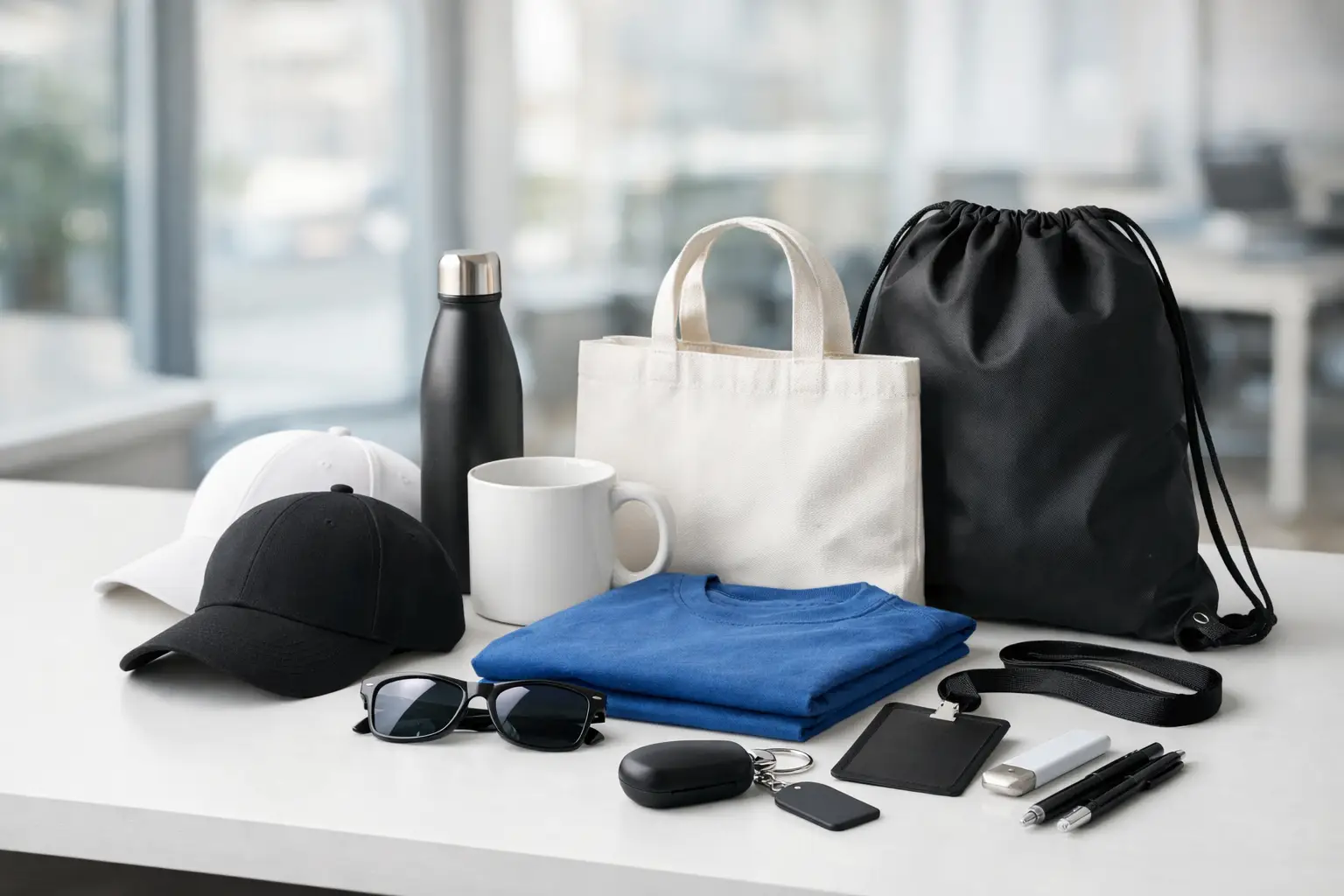
A packed event floor tells you very quickly which merchandise is working. People wear the T-shirt right away, queue for live personalization, or carry the tote bag through the venue. Other items get picked up politely and left behind. That gap is exactly why a strong brand activation merchandise guide matters – not as a branding theory exercise, but as a practical tool for choosing products people actually want, on timelines your team can actually manage.
For marketing teams, HR coordinators, procurement staff, and event organizers, the challenge is rarely finding merchandise. The challenge is choosing the right merchandise for the moment, budget, audience, and production window. A product that works for a recruitment fair may fall flat at a client appreciation event. A premium gift set might be perfect for a small executive audience but wasteful for a high-footfall roadshow. Good activation merchandise is never just branded. It is matched to context.
What a brand activation merchandise guide should solve
A useful brand activation merchandise guide should help you answer four operational questions quickly. What are you trying to make people do, who are you trying to reach, what environment will the activation happen in, and how fast do you need everything delivered?
That matters because merchandise is not a standalone decision. It sits inside a broader campaign. If your activation goal is visibility, apparel, bags, and lanyards often do more work than desk accessories because they travel through the space. If your goal is longer-term utility, drinkware, tech items, and office products may carry the brand further after the event ends. If your goal is interaction, on-site printing or personalization can create a reason for attendees to stop, engage, and remember the experience.
The wrong starting point is asking, “What is popular right now?” The better question is, “What behavior are we trying to encourage?” Sometimes the answer is social sharing. Sometimes it is booth traffic. Sometimes it is employee participation or client goodwill. The product should support that outcome.
Start with the activation goal, not the item
The easiest way to waste budget is to choose merchandise before defining success. For a product launch, you may want high-visibility items that increase recognition during the event itself. For internal engagement, comfort and usefulness usually matter more than novelty. For exhibitions, portability matters because attendees are already collecting brochures, samples, and giveaways.
This is where many teams overbuy low-cost items that generate volume but little value. Quantity has a place, especially for mass events, but low cost alone does not make a product effective. A cheap item that gets discarded within hours often costs more in brand value than it saves in procurement.
A better approach is to divide merchandise into tiers based on audience importance and interaction type. General attendees might receive practical entry-level items such as tote bags, lanyards, pens, or stickers. Qualified leads or invited guests may receive better perceived-value products such as insulated bottles, notebooks, travel accessories, or electronics. Staff and brand ambassadors need apparel that looks consistent, fits well, and holds up through long event days.
That tiered approach keeps spending aligned with business value while still giving each audience a branded touchpoint.
The best merchandise categories for brand activation
In most activations, the strongest categories are apparel, carry items, drinkware, desk accessories, and event support products. They work for different reasons.
Custom T-shirts, polo shirts, jackets, and uniforms create immediate visibility. They are especially useful when your own team is part of the activation because they make staff recognizable and reinforce brand consistency. The trade-off is sizing. If you are distributing apparel to attendees rather than outfitting staff, you need a realistic size mix and enough lead time to manage production properly.
Tote bags, backpacks, and pouches perform well because they combine visibility with function. People use them during the event, which means your branding moves around the venue. They also solve a practical problem for attendees carrying other materials. If the event involves multiple exhibitors or lots of handouts, bags are often one of the smartest choices.
Drinkware and travel accessories usually have stronger retention after the event. Bottles, tumblers, and compact travel items can extend brand exposure into offices, commutes, and meetings. These products tend to feel more valuable, but print quality and finishing matter more here. A premium-looking bottle with poor branding can undermine the effect.
Stationery, notebooks, and desk items remain reliable for conferences, training sessions, schools, and office-driven campaigns. They may not create the same excitement as live-customized merchandise, but they are practical, easy to distribute, and often budget-friendly in volume.
Then there are experience-led items. Live printing, personalized names on products, and on-site customization can turn merchandise into an attraction instead of a giveaway. This approach usually works best when footfall, dwell time, and social interaction are part of the activation strategy. It can cost more and requires tighter logistics, but it changes the role of merchandise from passive branding to active engagement.
Choosing merchandise by event type
Different events call for different merchandise behavior. At trade shows and exhibitions, portability and visibility matter most. Lightweight bags, lanyards, notebooks, and easy-to-carry gifts tend to perform well because attendees are moving constantly.
For corporate appreciation events or executive gifting, presentation becomes more important. Premium sets, elegant packaging, and cleaner branding often outperform louder promotional items. In these settings, subtle execution usually feels more professional than oversized logos.
For employee onboarding or internal campaigns, merchandise should support belonging and daily use. Welcome kits with apparel, drinkware, stationery, and bags often work well because they combine utility with culture-building. HR teams usually get better results when the items feel considered rather than purely promotional.
For roadshows, mall activations, and public campaigns, speed of engagement matters. Products should be easy to hand out, easy to explain, and visually tied to the campaign. If the goal is to stop traffic, live customization or a strong visual display can be more effective than increasing item quantity.
Printing method, finish, and quality control
A good product can still disappoint if the print method is wrong. Different materials need different decoration techniques, and each has cost, durability, and visual trade-offs.
Screen printing is often efficient for apparel and high-volume runs with simple artwork. Embroidery adds texture and perceived value for uniforms, caps, and corporate wear, but it is not ideal for highly detailed designs. Heat transfer and digital methods can support more complex graphics or smaller runs, though the finish and longevity depend on the garment and usage. For drinkware, electronics, and premium items, print placement and material compatibility matter just as much as the logo itself.
This is where proofing and sample review make a real difference. Colors can shift across materials. Small logos that look sharp on screen may not translate well onto textured products. Tight timelines increase the risk of approving artwork too quickly. If consistency matters across multiple items, it is worth checking how the brand appears across each surface, not just on one mockup.
Lead times, budgets, and vendor coordination
Most merchandise problems are not creative problems. They are timeline and coordination problems. Art files arrive late, quantities change after approval, venue requirements shift, or multiple vendors are handling different pieces with different deadlines.
That is why planning merchandise in isolation rarely works for large activations. If your event includes apparel, giveaway items, signage, booth graphics, and on-site support, every moving part affects the others. A delayed approval on one item can disrupt installation, packing, or distribution.
Budget planning should also account for more than unit cost. Packaging, customization complexity, rush production, warehousing, sorting by size or department, and delivery schedules can all affect final cost. Sometimes a slightly higher-priced item is the smarter buy if it reduces handling complexity or performs better with your audience.
For organizations managing high-volume events, working with one experienced supplier can reduce friction significantly. A partner that can advise on product selection, print suitability, quantity planning, and event execution usually helps teams avoid the common trap of patching together multiple vendors under deadline pressure.
Brand activation merchandise guide for smarter decisions
The most effective brand activation merchandise guide is not a list of trendy products. It is a decision framework. It helps you match item type to campaign goal, audience expectations, budget level, and delivery schedule. It also leaves room for trade-offs, because not every campaign needs premium gifts and not every activation benefits from mass giveaways.
For some teams, the smartest move is a simple set of dependable products delivered on time with clean branding and no surprises. For others, the better investment is a more interactive setup with live printing, personalized products, and stronger event presence. Both can work when the execution fits the objective.
If you are planning an upcoming campaign, launch, exhibition, or internal program, start earlier than you think you need to. The best merchandise choices usually come from clear goals, realistic lead times, and practical advice from people who understand both production and events. That is where good brand presentation stops feeling complicated and starts feeling manageable.