


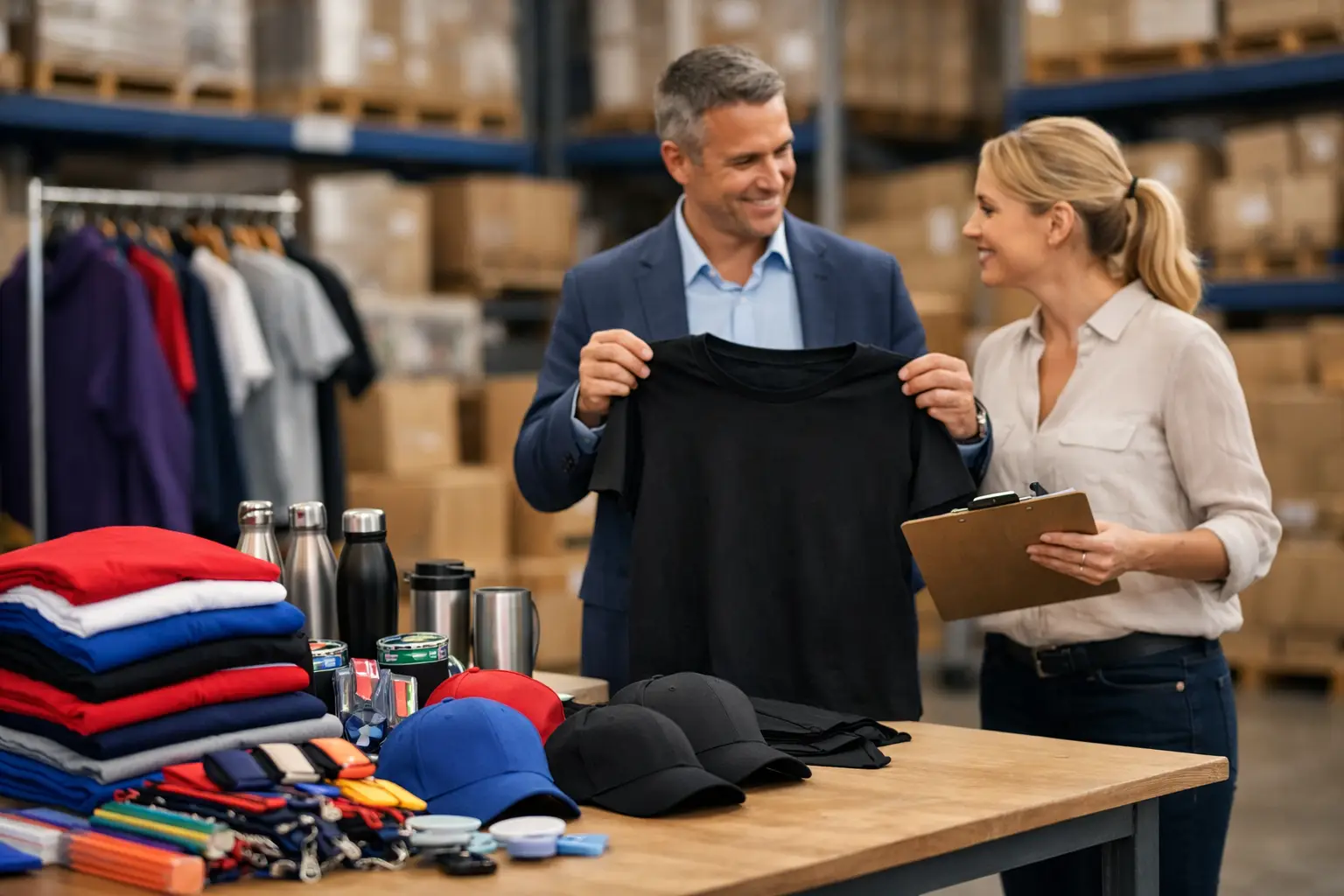
A late shipment of lanyards is frustrating. A late shipment of registration kits, staff shirts, giveaway bags, and booth materials at the same time can put an entire event under pressure. That is why choosing the right bulk event merchandise supplier is less about finding the lowest unit price and more about finding a partner who can manage volume, branding, timing, and execution without creating extra work for your team.
For marketing managers, HR teams, procurement staff, and event organizers, the real challenge is rarely the merchandise itself. It is coordinating multiple product categories, keeping artwork consistent, meeting internal budgets, and getting everything delivered where it needs to go on time. A supplier that only prints one type of item may work for a small order. For larger campaigns and live events, that setup often becomes inefficient very quickly.
What a bulk event merchandise supplier should actually handle
A capable bulk event merchandise supplier should do more than quote prices on branded items. In practice, you need support across sourcing, customization, print production, packing, delivery, and often event-specific coordination. If your order includes apparel for staff, gifts for attendees, tabletop collateral, stage backdrops, and booth branding, each component needs to work together visually and operationally.
This matters because event merchandise is rarely ordered in isolation. A conference may require welcome kits, badge lanyards, sponsor gifts, and branded uniforms. A school event might need participant tees, certificates, bags, and signage. A company town hall may call for employee gifts, event backdrops, and on-site printing for engagement. When one vendor can manage the full set, your approval process tends to be faster and your brand presentation tends to be more consistent.
That does not mean a single-vendor approach is always the cheapest on paper. A niche supplier may offer a lower rate on one item category. But when you factor in communication time, repeated artwork handoffs, separate shipping schedules, and the risk of mismatched branding, the broader supplier often becomes the more practical choice.
Bulk event merchandise supplier selection starts with scope
Before comparing vendors, define the true scope of your project. Many buyers start by requesting a quote for one item, then add three more categories later. That often leads to revised lead times, budget surprises, and unnecessary back-and-forth.
Start with the event type, expected quantity, audience, and delivery deadline. Then look at what the merchandise needs to achieve. Is it meant to drive visibility, support event logistics, reward employees, or create a premium brand impression? The answer affects product selection right away. A budget-friendly roadshow giveaway and an executive appreciation gift serve very different purposes, even if both carry the same logo.
A good supplier should help clarify these choices, not just wait for a purchase order. That guidance is especially useful when your team knows the event goal but has not finalized the product mix.
Product range matters more than most buyers expect
The more moving parts your event has, the more valuable product breadth becomes. Apparel, bags, drinkware, notebooks, electronics, travel accessories, ID accessories, awards, and booth materials may all sit under one campaign. Working with a supplier that can cover most or all of those categories reduces friction.
It also helps with budget balancing. You may decide to invest more in attendee gifts while choosing simpler staff apparel, or shift from premium packaging to higher-volume handouts. A supplier with a wide catalog can offer realistic alternatives without forcing you to restart the sourcing process elsewhere.
Customization capability affects brand consistency
Not every product takes branding the same way. Some work best with screen printing, others with embroidery, heat transfer, UV printing, or engraving. A supplier that understands these differences can steer you toward products that suit both your artwork and your timeline.
This is where many bulk orders go wrong. A product may look attractive in a catalog but perform poorly with a detailed logo, small text, or strict brand colors. A dependable supplier will flag these issues early, recommend adjustments, and explain the trade-off between appearance, durability, and cost.
Lead times are not just about production
When buyers ask about lead time, they often mean printing time. In reality, the timeline includes product sourcing, artwork confirmation, sampling if needed, production scheduling, packing, and delivery. For event orders, there may also be sorting by department, venue, or attendee type.
That is why clear planning matters. If you need 2,000 event kits packed by category and delivered to multiple locations, that requirement should be discussed at the quotation stage, not after production begins. The same applies to rush orders. Some suppliers can move quickly, but speed depends on stock availability, branding method, and how fast approvals are given.
An experienced supplier will be direct about what can realistically be done within your timeline. That honesty is more useful than a vague promise that creates problems later.
Quality control becomes more visible at scale
A small print issue on 20 items is manageable. On 2,000 items, it becomes expensive and visible. Bulk event merchandise needs consistent print placement, color quality, sizing accuracy, and packing standards. This is especially important for apparel, premium gifts, and client-facing items.
Ask how quality is checked before dispatch. You want a supplier that pays attention to production details, not one that simply moves volume. Consistency is part of brand presentation. If your event team is wearing unevenly printed shirts while VIP guests receive premium kits with inconsistent finishing, people notice.
For this reason, samples or visual mockups can be useful, especially for larger or more complex orders. They may add a step upfront, but they often prevent avoidable issues later.
Budget guidance should be practical, not sales-driven
Most corporate buyers are not looking for the most expensive option or the cheapest one. They want the right fit for the event objective. A reliable supplier should be able to recommend where to spend and where to simplify.
For example, if your event is high-traffic and short in duration, practical and fast-moving giveaway items may deliver better value than premium merchandise. If the audience is internal leadership or top clients, presentation and perceived value matter more. In both cases, the supplier should help align product choices with audience expectations, quantity targets, and branding goals.
This is one area where hands-on service makes a difference. Instead of offering a generic list of products, the right partner helps shape a workable merchandise plan around your budget.
Why event support can be the deciding factor
Some orders do not end at delivery. They involve booth setup, signage installation, event branding, or even live on-site customization. If your campaign includes experiential elements, your merchandise supplier needs to understand how production connects with the event environment.
That is where an end-to-end partner stands out. A company like Global Asia Printings supports not only merchandise sourcing and printing, but also broader event branding requirements. For buyers managing multiple deadlines and stakeholders, that kind of coordination reduces risk and saves time.
This does not mean every event needs full-service support. A straightforward internal order may only require efficient production and delivery. But for exhibitions, launches, roadshows, and large-scale corporate events, operational support can be just as important as the products themselves.
Questions worth asking before you commit
A few practical questions can quickly reveal whether a supplier is ready for your project. Ask what product categories they can manage under one order, how they handle urgent timelines, what branding methods they recommend for your chosen items, and whether they provide packing or sorting support for events. You should also ask what information they need from your team to keep the timeline on track.
The quality of the answers matters as much as the answers themselves. A dependable supplier will ask smart follow-up questions and identify possible issues early. That is usually a sign they have handled real event pressure before.
The best choice is rarely just a vendor
When event merchandise is tied to launch dates, attendee experience, and brand reputation, the supplier relationship becomes operational, not transactional. You need someone who can guide product selection, protect timelines, manage print quality, and adapt when plans shift.
The strongest bulk event merchandise supplier is the one that makes your job easier across the full project, from planning to fulfillment. When that support is in place, your team can focus less on chasing updates and more on running an event that looks organized, polished, and ready from the moment guests arrive.
If you are planning a large order, it helps to think beyond the item list. The right supplier should bring clarity, control, and confidence to the entire process.