


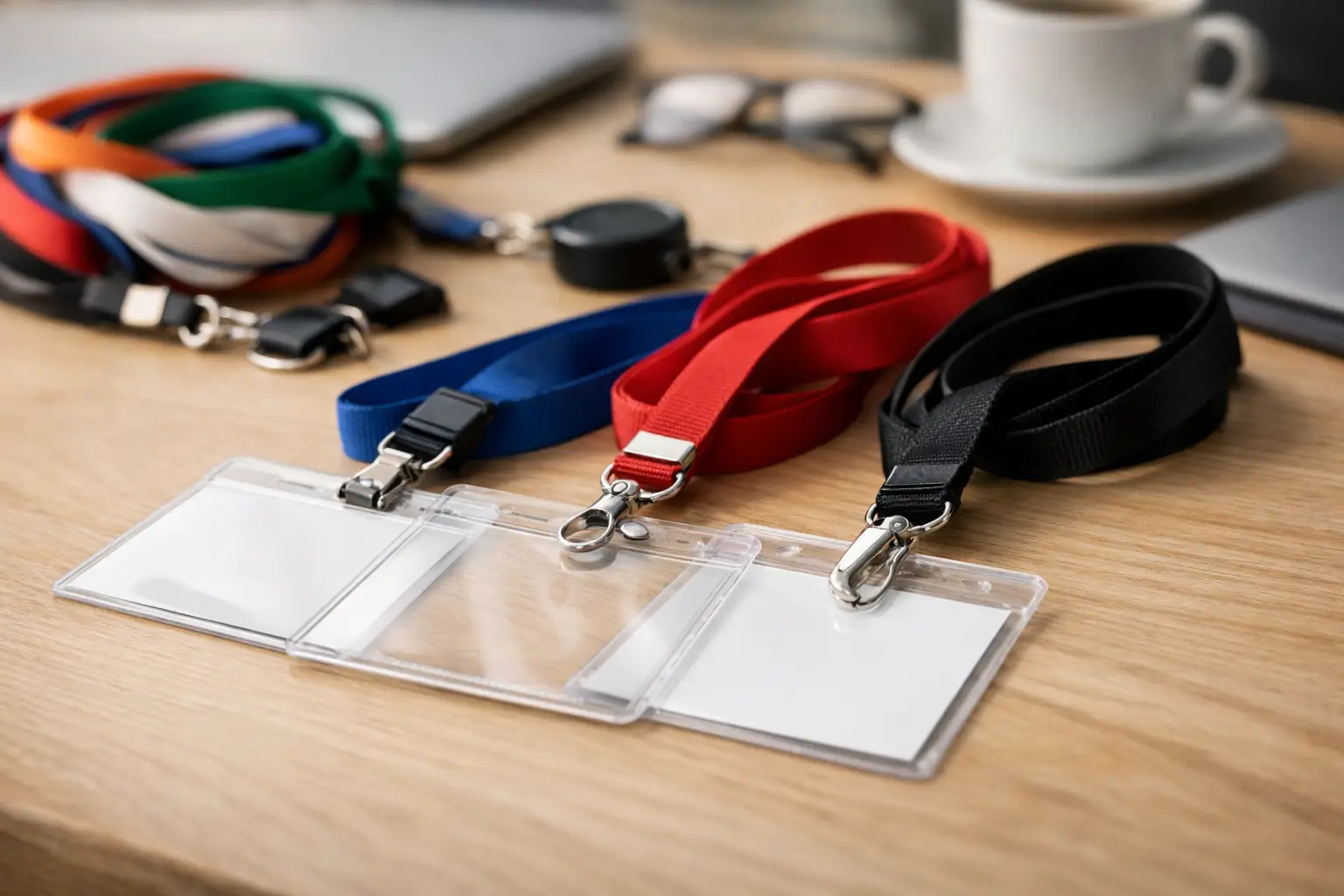
When badge lines back up at 8:45 a.m. and staff are handing out credentials in a hurry, the wrong lanyard becomes obvious fast. Clips jam, straps twist, branding looks faint, and attendees start removing them before the first session begins. If you are figuring out how to choose event lanyards, the best place to start is not color or logo placement. It is how the lanyard will actually perform during the event.
For corporate events, school programs, trade shows, internal campaigns, and public activations, a lanyard does two jobs at once. It carries identification and it represents your brand in constant motion. That means comfort, durability, print quality, attachment choice, and turnaround time all matter. A lanyard that looks good in a mockup but feels cheap after three hours of wear is not a good buy.
How to choose event lanyards based on use case
The fastest way to narrow your options is to match the lanyard to the environment. A one-day seminar, a three-day expo, a school orientation, and a staff access program do not need the same build.
For conferences and networking events, comfort tends to matter most because attendees wear badges all day. A softer polyester lanyard with a swivel hook is a reliable choice for standard name badges. If your event includes VIP passes, media credentials, or sponsor categories, color coding can make access control easier without needing extra explanation at the registration desk.
Trade shows and exhibitions usually need stronger branding. Attendees are walking crowded halls, meeting vendors, taking photos, and carrying bags. In this setting, the lanyard becomes part of the event identity. Wider lanyards can give your logo more visibility, but there is a trade-off. They stand out more, yet some people find them slightly heavier or less comfortable over long periods.
For schools, training programs, and facilities that require ongoing ID use, practicality comes first. A safety breakaway can be the better option where movement, equipment, or younger users are involved. If cards are scanned often, the attachment and card holder matter just as much as the strap.
Material matters more than most buyers expect
If you are choosing primarily by price, material is where the real differences start to show. Two lanyards can look similar in a product image and perform very differently in person.
Polyester is one of the most common choices because it balances cost, printability, and everyday durability. It works well for most events and gives enough surface area for logos and text to remain visible. If you need dependable quality without pushing into premium pricing, this is often the safest starting point.
Nylon tends to have a smoother, slightly shinier finish. It can present branding sharply, especially for simple logos and cleaner designs. The trade-off is that it may cost more, and it is not always necessary for short-run event use unless presentation is a priority.
Tubular lanyards are often selected when budget is tight. They are lightweight and practical for basic identification needs. That said, they usually feel less premium than flat polyester or nylon, so they may not be the right fit for high-visibility corporate events where branded presentation matters.
Woven or heat-transfer styles can work well when your design is more detailed. If your artwork includes gradients, fine text, or multiple brand colors, discussing print method early can prevent disappointment later. A supplier should flag when a logo needs a different production method rather than forcing a poor result onto the wrong material.
Width, comfort, and visibility
A common mistake is treating width as a cosmetic choice. It affects both comfort and branding.
Narrower lanyards are lighter and often feel less intrusive, especially for shorter events or simple badge display. They are practical when your design is minimal and the lanyard only needs to hold a lightweight credential.
Wider lanyards give your branding more room and usually look more substantial. They are often a better fit for conferences, exhibitions, and public-facing events where logos need to be seen from a distance. The compromise is that they can feel bulkier, particularly if paired with heavier holders, reels, or multiple attachments.
If attendees will wear the lanyard for a full day or longer, comfort should guide the decision. A sharp-looking lanyard that people remove after lunch is not supporting your event the way it should.
Choosing the right attachment
The attachment point is small, but it affects usability every hour of the event. If badges flip, snag, or detach too easily, people notice.
A standard swivel hook covers many general event needs. It is simple, versatile, and works well with most badge slots or holders. Bulldog clips can be useful for specific badge setups, though they are not always as universally convenient. If cards need to be scanned frequently, a retractable badge reel may be worth considering, especially for staff, security teams, and access-controlled events.
Mobile phone hooks and dual clips can be added for specialized uses, but more hardware is not automatically better. Extra attachments can add weight and clutter. The better question is whether the event actually needs them.
Breakaway safety features are also worth considering. In schools, production sites, healthcare settings, and active event environments, they can reduce risk if the lanyard gets caught. For executive conferences or standard indoor events, some buyers skip them to keep the look cleaner and the cost lower. This is one of those areas where the right answer depends on who is wearing the item and where.
Print method and artwork quality
Your lanyard may carry only a logo and event name, but poor reproduction is very easy to spot. Blurry text, weak color matching, and overcrowded layouts make even a well-run event feel less polished.
When deciding how to choose event lanyards, think about readability before decoration. Repeating logos, short event names, and simple brand marks usually perform better than trying to fit too much information into a narrow strip. If your design relies on fine detail, ask whether the selected print method can hold it clearly.
Color consistency matters too, especially for corporate branding. A supplier with practical production experience should be able to advise whether your brand colors will reproduce accurately on the chosen material. That kind of guidance saves time and avoids late-stage revisions.
It also helps to think beyond the strap itself. If the badge holder is cloudy, flimsy, or the wrong size, it can undermine the appearance of the printed lanyard. The full set should work together.
Budget planning without cutting the wrong corners
Most buyers are balancing visibility, functionality, and cost. That is normal. The challenge is knowing where to save and where not to.
If the lanyard is for a short internal event with straightforward ID use, a more economical material and basic attachment may be enough. If it is for a flagship conference, sponsor-facing activation, or public exhibition, the lanyard has a branding role that justifies a stronger specification.
Large orders usually improve unit cost, but ordering based only on volume can backfire if event details are still changing. Quantities, badge formats, attendee categories, and delivery timing should be confirmed early. Rush production is possible in many cases, but it often limits options or increases cost.
This is where working with one experienced vendor can make a difference. If the same partner is handling branded merchandise, badge printing, booth graphics, and event support, they can spot compatibility issues earlier and keep your timelines aligned. For busy teams, that reduces risk as much as it saves time.
Questions worth asking before you approve the order
Before you sign off, check a few practical points. Ask how the lanyard will be printed, what attachment is included, whether a breakaway is recommended for your audience, and how the final product will look with your actual badge size. Confirm production lead time, packaging, and whether artwork adjustments are needed for clean printing.
If you are ordering for a multi-day event, it is also smart to ask about wear performance. A polished sample is useful, but real-world durability matters more. Experienced suppliers should be comfortable talking through likely usage conditions, not just quoting a unit price.
At Global Asia Printings, this is often where buyers get the most value – not from being shown more options, but from being guided toward the right ones.
The best event lanyard is rarely the fanciest or the cheapest. It is the one that fits your audience, supports your operations, and still looks right when the room fills up and the event is fully underway.