


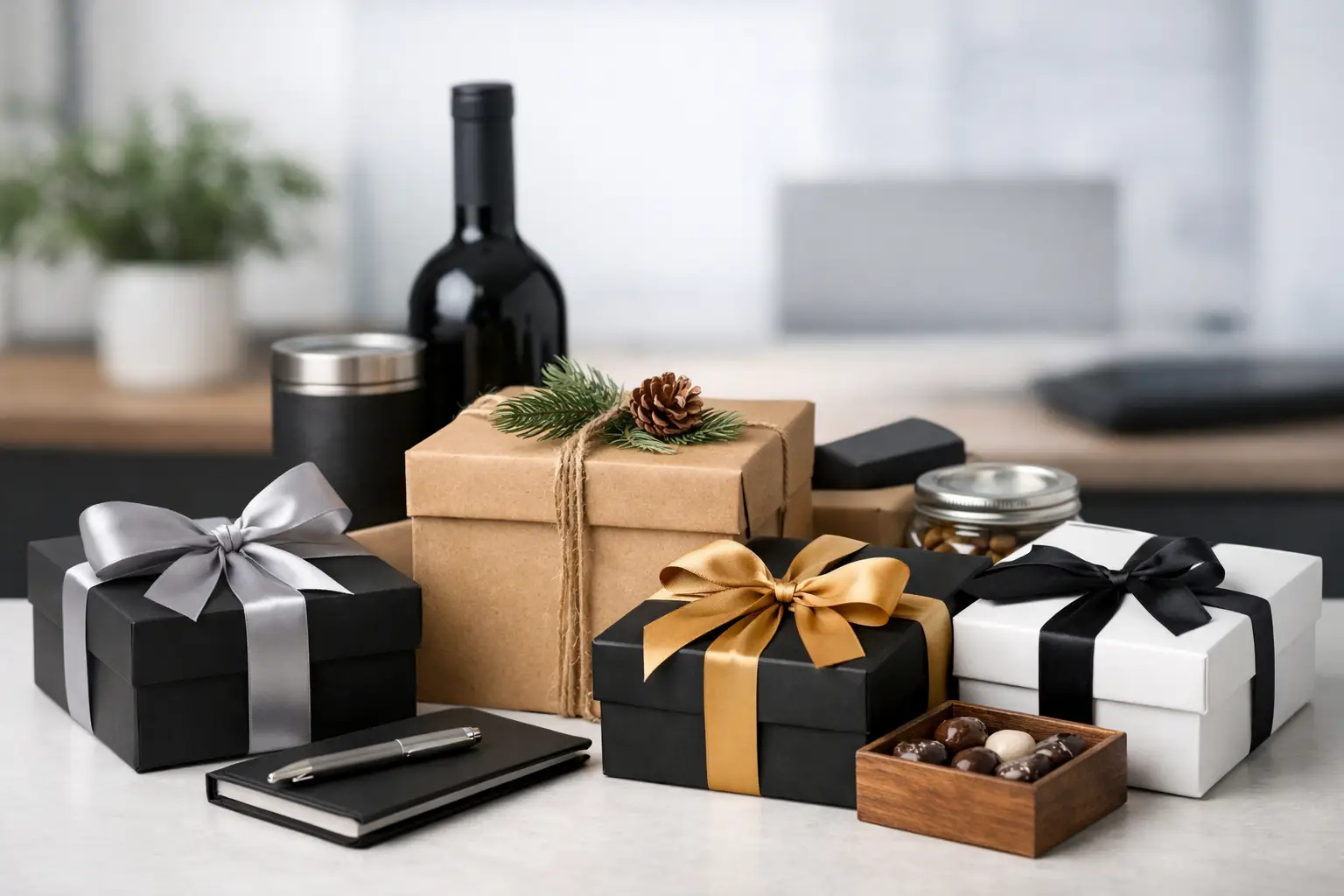
A rushed gift shows before the recipient even opens it. The box is flimsy, the insert shifts in transit, the logo sticker peels at the corners, and what should feel thoughtful ends up feeling like leftover campaign stock. That is why corporate gift packaging ideas matter more than many teams expect. Packaging shapes the first impression, protects the product, and helps the gift feel intentional rather than transactional.
For marketing teams, HR departments, procurement managers, and event organizers, the right packaging also solves practical problems. It can make large-volume packing faster, support brand consistency across multiple gift items, and keep costs under control when timelines are tight. Good packaging is not just about presentation. It is about execution.
What good corporate gift packaging ideas actually need to do
The best packaging starts with the use case. A client appreciation gift has different requirements from a conference giveaway kit or an employee welcome set. If the gift is premium, the packaging should add weight and structure. If it is being distributed in bulk at an event, it should be quick to pack, easy to carry, and durable enough for transport.
This is where many buyers get stuck. They choose packaging based only on appearance, then run into issues with budget, packing time, courier damage, or inconsistent branding across components. A better approach is to judge packaging on four things at once – brand fit, protection, speed of fulfillment, and cost per unit.
A rigid magnetic box may look excellent for executive gifting, but it may not make sense for a roadshow campaign with hundreds of recipients and multiple delivery points. On the other hand, a simple kraft mailer with a printed sleeve can look polished and still be practical for volume orders. The right answer depends on who the gift is for, how it will be delivered, and what message the company wants to send.
12 corporate gift packaging ideas for different business needs
1. Rigid gift boxes for premium client gifting
Rigid boxes work well when the goal is to create a high-value impression. They are a strong option for festive gifts, executive appreciation sets, or milestone thank-you packages. With the right insert, they keep items secure and give the unboxing experience a more polished feel.
The trade-off is cost and storage. Rigid boxes take up more space and usually come at a higher unit price, so they are best reserved for higher-impact recipients or premium campaigns.
2. Magnetic closure boxes for clean presentation
If you want packaging that feels structured without looking overly decorative, magnetic closure boxes are a reliable choice. They suit branded tech gifts, awards sets, notebooks paired with pens, or curated VIP kits. They also photograph well, which matters for events and internal launches where brand presentation is part of the experience.
These boxes are especially useful when presentation matters as much as the gift itself.
3. Mailer boxes for campaign kits and shipped gifts
Mailer boxes are one of the most flexible corporate options. They can be used for onboarding kits, event registration packs, media kits, product launch bundles, and appreciation gifts sent directly to offices or homes. Because they are built for shipping, they reduce the need for extra outer packaging.
A mailer box can be elevated with printed tissue, a branded insert card, or a custom sleeve. This keeps the packaging practical while still making it feel branded.
4. Custom sleeves for budget-conscious branding
Not every project needs fully custom packaging. A plain box with a printed sleeve is often a smart middle ground. It gives enough branding space for logos, campaign messages, or event themes without the cost of producing an entirely custom box.
This works especially well for time-sensitive orders. If the product and base packaging are readily available, a sleeve can be the fastest way to improve presentation and maintain brand consistency.
5. Kraft boxes for eco-conscious campaigns
Kraft packaging remains a popular option for companies that want a more natural, understated look. It fits sustainability messaging, employee care kits, wellness packs, and everyday appreciation gifts. The visual tone is simple and practical, which can feel more credible than over-designed packaging when the campaign message is about responsibility or mindful use.
That said, kraft only works if the rest of the design is handled well. Weak printing contrast or poor label application can make it look unfinished instead of intentional.
6. Branded tote bags as packaging and gift item
For events, roadshows, and conferences, the packaging can be part of the gift. A branded tote bag carrying notebooks, drinkware, lanyards, or small tech items gives recipients something reusable while also simplifying distribution. It reduces packing complexity and improves visibility during the event itself.
This approach makes sense when portability matters. It is less suited to premium gifting, but highly effective for large-scale programs.
7. Drawstring pouches for compact premium items
Small accessories, travel items, pens, electronics, and awards can benefit from a fabric or velvet pouch. A pouch adds softness and protection while keeping packaging compact. It can also be reused, which extends the brand presence beyond the day the gift is received.
Pouches are a good option when the item is already premium and does not need a full box to feel complete.
8. Gift bags with tissue for fast event fulfillment
When teams need to prepare high volumes quickly, branded gift bags are often the most efficient solution. They are easy to assemble, easy to hand out, and suitable for mixed-item packs. Add tissue paper, a printed tag, or a simple insert card, and the presentation improves without slowing down fulfillment.
This is one of the most practical choices for seminars, staff appreciation events, and school or organizational functions.
9. Box inserts that keep multiple items organized
If your gift set includes several components, the insert matters as much as the outer packaging. Foam, card, or molded inserts keep items from shifting and create a cleaner presentation when the box is opened. This is especially useful for tech bundles, premium drinkware sets, stationery kits, or awards packs.
Without a proper insert, even high-quality products can look disorganized.
10. Personalized name tags or message cards
A small personalization detail can change how a gift is received. Adding the recipient’s name, department, event role, or a short message card makes standard packaging feel more considered. For employee kits, this helps with distribution. For client gifts, it shows the package was planned, not mass-issued.
This does not always require full variable printing across every element. Often, a name card or printed sticker is enough.
11. Seasonal wraps and festive bands
For year-end gifts, holiday campaigns, and festive appreciation programs, an outer band or wrap can refresh standard packaging without changing the full box design. This is useful when companies want a seasonal look but also need efficiency across large orders.
It is a practical way to make packaging feel timely while controlling costs.
12. Live event packaging stations for on-site impact
For launches, exhibitions, and engagement events, packaging can become part of the experience. On-site gift packing or live personalization creates a stronger interaction and gives attendees something memorable to take away. This works particularly well when paired with live printing or event merchandise activation.
It does require planning. Packaging for live events must be quick to assemble, visually clear, and operationally simple enough for a busy venue environment.
How to choose the right packaging for your order
Start with the recipient and the setting. If the gift is for a high-value client, structured packaging usually makes sense. If it is for a staff program across several office locations, shipping efficiency and consistency may matter more than a premium unboxing moment.
Next, look at the product mix. Fragile items need protection. Apparel and soft goods may only need bags, bands, or tissue. Multi-item sets almost always benefit from inserts or compartments. Then consider volume. A packaging concept that works for 50 VIP gifts may become too slow or too expensive at 2,000 units.
Branding should be handled with discipline. Too many print elements can make packaging feel cluttered. In most cases, one clear logo placement, one supporting brand color, and one useful printed message are enough. Strong execution beats overdesign.
Lead time matters too. Custom packaging usually needs more production time than standard packaging with branded add-ons. If your deadline is close, it may be smarter to use available box formats, custom sleeves, stickers, insert cards, or tags rather than wait for a fully bespoke structure.
Why packaging decisions are easier with one production partner
Packaging is rarely a standalone job. It connects to sourcing, print consistency, product selection, packing flow, and delivery timing. When different vendors handle each part, small issues stack up fast. Box sizes do not match the products. Artwork files are prepared differently. Packing instructions get lost. Delivery dates slip.
That is why many organizations prefer working with one supplier that can guide the gift item, branding method, packaging format, and fulfillment plan together. For teams managing campaigns, events, or internal gifting on tight schedules, that coordination is often the difference between a smooth rollout and a stressful one. At Global Asia Printings, that joined-up approach is what helps clients move from idea to packed delivery with fewer gaps and better control.
The strongest packaging choice is usually not the fanciest one. It is the one that fits your brand, protects the gift, works within budget, and arrives looking exactly the way it should. If your packaging can do all four, the gift starts working before it is even opened.