


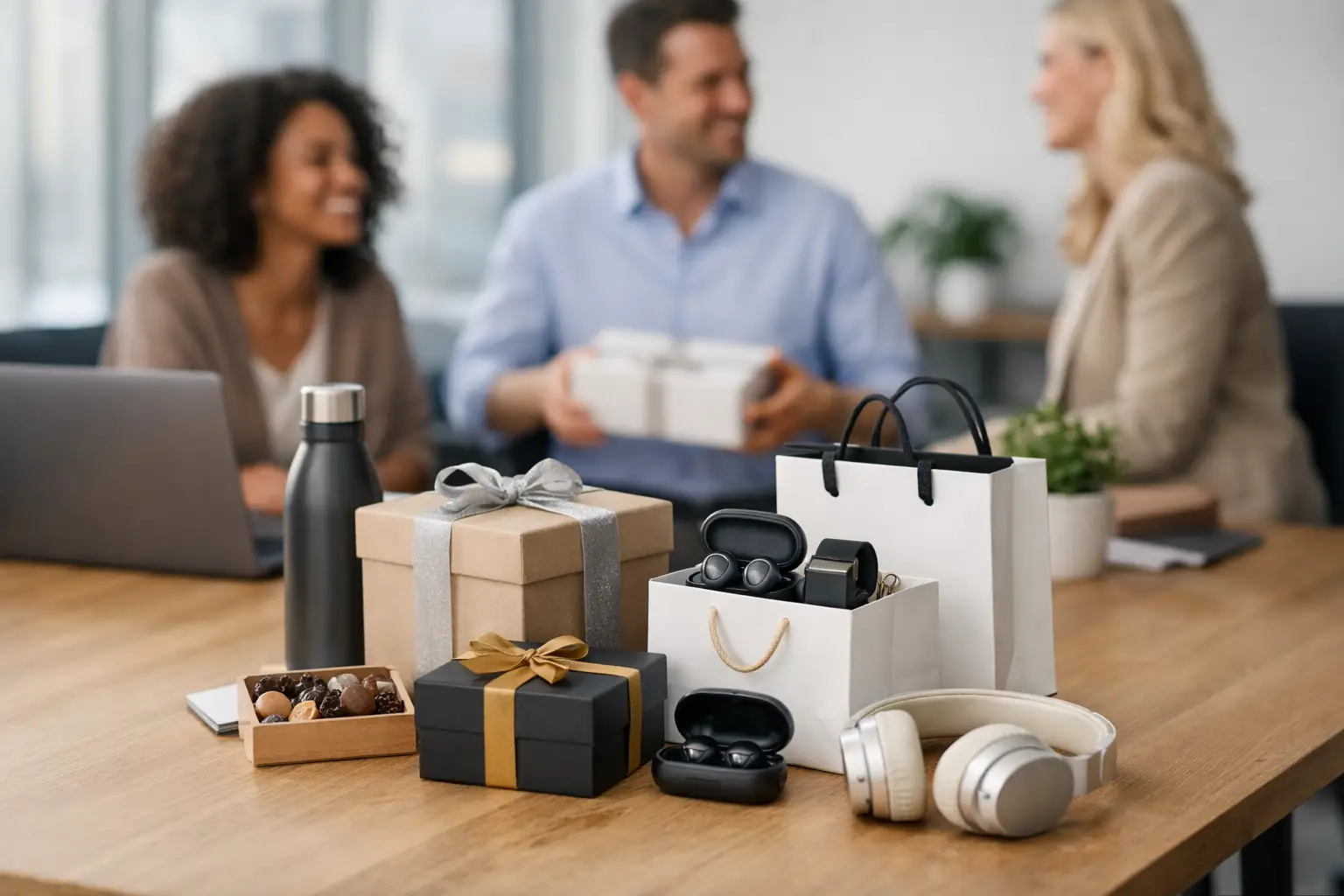
A generic gift used to be enough. Put a logo on a mug, hand it out in December, and the job was done. That approach is fading fast. Today, employee gifting trends are shaped by a much higher bar – usefulness, timing, presentation, and relevance to the moment all matter.
For HR teams, marketing leads, office administrators, and procurement buyers, that shift creates both pressure and opportunity. The pressure comes from tighter timelines, mixed workforce preferences, and budgets that still need to stretch. The opportunity is that better gifting now does more than fill a table at an event or check a holiday box. It can support retention, reinforce culture, improve onboarding, and make internal campaigns feel more polished and intentional.
What employee gifting trends are really responding to
The biggest change is not just in products. It is in expectations. Employees are more aware of waste, more selective about what they keep, and more likely to compare the gift experience to the overall company experience. If the gift feels rushed, low quality, or disconnected from the occasion, people notice.
That is why practical items continue to outperform novelty products. A well-made bag, quality apparel, desk accessories, drinkware, travel items, and useful tech still have strong value because they fit into daily life. The trend is not simply toward expensive gifts. It is toward gifts that feel considered.
This also explains why packaging and presentation are getting more attention. Even when the item itself is modest, branded sleeves, gift boxes, printed message cards, and coordinated color choices can make the gift feel complete. In many companies, the difference between “free item” and “employee gift” comes down to execution.
The rise of useful and brand-aligned gifts
One of the strongest employee gifting trends is the move toward utility with brand consistency. Companies still want visibility for their brand, but they are becoming more careful about how they place it. Oversized logos and obvious promotional styling can make a gift feel more like leftover event stock than a thoughtful internal item.
A smarter approach is subtle branding on products employees actually want to use. Think clean logo placement on premium notebooks, insulated bottles, laptop sleeves, jackets, polos, or travel organizers. These are easier to carry into work, events, and hybrid setups without feeling overly promotional.
For internal teams, this matters because the gift is doing two jobs at once. It should be useful to the recipient, and it should still represent the organization well. When those two goals are balanced, the gift lasts longer and creates better value per piece.
Occasion-based gifting is replacing one-size-fits-all programs
Companies are also moving away from treating gifting as a once-a-year task. Instead of putting all budget into a single holiday run, many teams are spreading gifting across key employee moments.
Onboarding kits remain one of the clearest examples. New hires often receive a coordinated set of essentials such as branded apparel, notebooks, lanyards, drinkware, or desk items. The value here is not just the products. It is the signal that the company is organized and ready for them from day one.
Work anniversaries, team milestones, wellness campaigns, training programs, and internal events are also becoming more gifting-driven. This approach gives organizations more chances to connect gifts to a specific purpose. A recognition item for a project closeout lands differently than a generic year-end giveaway because it is tied to real effort and timing.
The trade-off is operational. Occasion-based gifting requires better planning, smaller batch flexibility, and dependable production timelines. For busy teams, that is often where the right supplier makes a difference.
Personalization is growing, but only when it stays practical
Personalization is another clear movement in employee gifting trends, but it works best when used selectively. Name printing, department customization, event-specific artwork, or campaign themes can make a gift feel more relevant. This is especially effective for onboarding, leadership retreats, appreciation events, and school or corporate functions where identity matters.
At the same time, too much personalization can create waste or logistical friction. If an employee leaves quickly, a fully personalized item may not be reusable. If names are submitted late or inaccurately, production delays can follow. For large organizations, there is often a better middle ground – personalize the packaging, insert, or event messaging while keeping the core product broadly usable.
That balance helps teams get the emotional value of customization without making fulfillment harder than it needs to be.
Premium does not always mean expensive
A common mistake is assuming better gifting requires a major budget jump. In practice, perceived value often comes from product selection, print quality, and packaging rather than price alone.
A cleanly printed insulated tumbler in a custom box may outperform a more expensive but poorly branded gadget. A well-cut jacket or polo with tasteful embroidery can feel more premium than a bulkier item with low-quality finishing. Even basic stationery can present well when the materials and design choices are consistent.
This matters for procurement and HR teams under cost pressure. The goal is not to spend more for the sake of appearance. It is to choose products that look intentional, perform well, and suit the audience. When budget guidance is handled properly from the start, companies can usually create a stronger gifting experience without overspending.
Hybrid work has changed what counts as a good gift
Remote and hybrid work continue to shape gift selection. Employees are no longer all using the same office setup, so desktop-only gifts are less universally effective than they once were. Portable and cross-environment items are winning because they work at home, on the commute, or in the office.
That is one reason bags, drinkware, jackets, power banks, tech organizers, and versatile apparel remain strong categories. They fit different work styles and are easy to distribute across teams. Gifts that support mobility tend to have longer shelf life because they are not tied to one workspace.
There is also more interest in mail-friendly kits and compact event packs. For companies running regional meetings, virtual launches, or distributed onboarding, the gift needs to travel well and still arrive looking organized. Product size, packing efficiency, and durability become part of the decision, not just the visual design.
Sustainability is influencing choices, but usefulness still comes first
Sustainability is part of the conversation, but most buyers are approaching it in practical terms. Employees generally respond better to an item they will use for a year than a greener item they never wanted in the first place.
That means the strongest sustainable gifting choices are usually simple: reusable drinkware, quality bags, durable apparel, recycled notebooks, and packaging with less excess. These options work because they combine lower waste with clear utility.
Companies should be careful not to treat sustainability as a label-only exercise. If the product quality feels weak, the message can backfire. A smaller number of better-made items usually does more for both employee perception and budget efficiency than a larger run of disposable pieces.
Speed and consistency are becoming part of the gift itself
One trend that does not get enough attention is operational reliability. Buyers are paying closer attention to whether gifting programs can be delivered on time, with consistent branding, across multiple item types. This is especially true for event-driven gifting, new hire cycles, and recognition programs with fixed dates.
A strong gifting plan now depends on more than product ideas. It depends on artwork support, sourcing options, print consistency, packing coordination, and lead-time control. If one vendor handles apparel, another handles packaging, and a third manages event materials, small delays can quickly affect the whole rollout.
That is why many organizations prefer working with a partner that can manage product selection, customization, printing, and delivery together. For businesses balancing campaigns, internal engagement, and event execution at the same time, convenience is not a minor benefit. It is part of risk control.
Where companies are getting the best results
The most effective gifting programs tend to share the same traits. They match the gift to the occasion, keep branding clean, choose products people will actually use, and plan far enough ahead to protect quality. They also leave room for reality. Sometimes a high-volume employee event needs fast, durable items. Sometimes a leadership gift calls for a more premium finish. Sometimes the right answer is a simple, well-executed kit rather than a complicated assortment.
For companies in Singapore and across regional teams, this is where an experienced supplier like Global Asia Printings can add real value – not just by offering a broad catalog, but by helping buyers narrow choices based on timeline, audience, and budget.
Employee gifting is becoming less about ticking a box and more about getting the details right. The companies that do it well are not necessarily the ones spending the most. They are the ones making gifts feel timely, useful, and clearly connected to the employee experience. That is a standard worth planning for.