


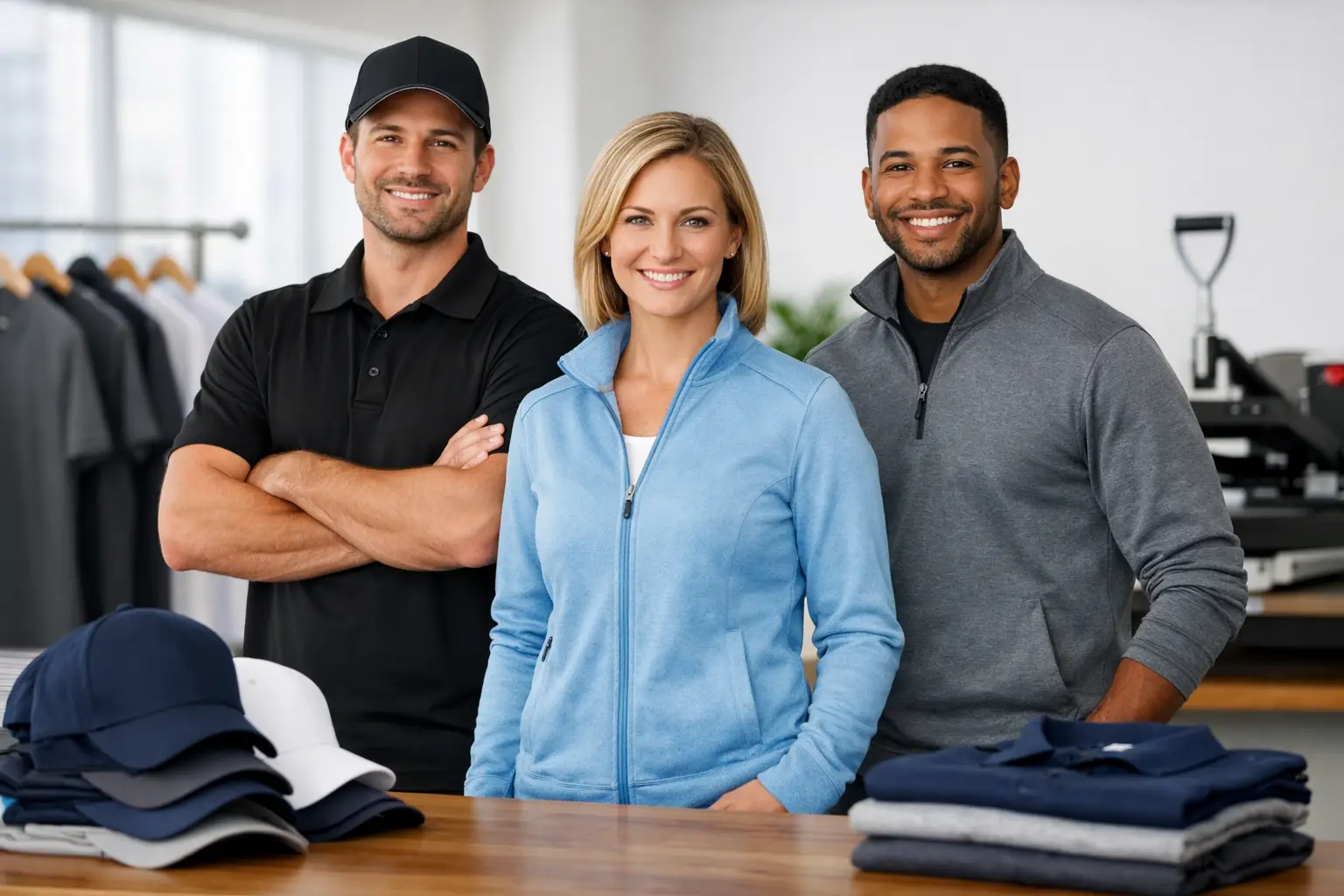
A rushed apparel order usually shows up in the same ways – sizing gaps, print placement that looks off, or shirts that make sense on paper but not at an event. That is why custom apparel for companies is rarely just about putting a logo on fabric. It is a business decision tied to brand presentation, employee comfort, budget control, and delivery timing.
For marketing teams, HR departments, procurement staff, and event organizers, the real question is not whether branded apparel is useful. It is which type of apparel fits the purpose, how much customization is actually needed, and how to get everything produced correctly without chasing multiple vendors.
Why custom apparel for companies matters
Company apparel does several jobs at once. It creates a consistent visual identity, helps customers and attendees identify staff quickly, and gives teams a more organized presence during campaigns, roadshows, conferences, internal events, and daily operations. In some cases, it also improves employee buy-in. People are far more likely to wear branded apparel that feels appropriate for the setting and comfortable for the work involved.
The value changes depending on the use case. A polo shirt for a client-facing sales team needs a different look and fabric than a promotional T-shirt handed out at a product launch. A uniform for warehouse staff has practical requirements that a conference jacket does not. Treating all apparel orders the same often leads to wasted spend.
That is where planning makes a difference. The strongest apparel programs start with function first, then branding, then cost optimization. When that order gets reversed, businesses often end up paying for details that do not improve the result.
Choosing the right custom apparel for companies
The right product depends on where, how, and how often it will be worn. For internal staff use, durability and comfort usually matter more than trend-driven styling. For events and campaigns, visual impact and easy brand recognition may take priority. For executive gifts or premium client touchpoints, the perceived quality of the garment carries more weight.
T-shirts remain a popular choice because they are versatile, cost-effective, and easy to distribute in volume. They work well for roadshows, company outings, school events, volunteer programs, and short-term campaigns. Polos are often better for teams that need a more polished appearance without going fully formal. They suit retail staff, sales teams, front-desk teams, and exhibitors well.
Jackets and outerwear make sense when apparel needs a longer lifespan or when the goal is to create a more premium impression. They are often used for leadership teams, field crews, or year-end staff gifts. Uniforms require a more careful approach because repeat wear exposes every issue – poor sizing, weak stitching, fabric discomfort, and fading prints all become bigger problems over time.
The best choice is not always the most expensive one. It is the one that matches the environment. A breathable lightweight shirt may outperform a heavier premium option if the team is working outdoors in heat. A simple embroidered polo may create a stronger professional impression than a full-color print if the setting is customer-facing.
Print method affects cost, appearance, and durability
One common mistake in apparel ordering is choosing a garment first and thinking about decoration later. Print method has a direct effect on look, feel, minimum quantity, and production lead time.
Screen printing is often a strong option for larger runs, especially when the design is bold and limited in colors. It delivers solid visual impact and good consistency at scale. For company events, campaign shirts, and team apparel ordered in higher volumes, it is usually a practical choice.
Embroidery gives a more refined finish and is especially suited to polos, jackets, caps, and uniforms. It tends to perform well when businesses want a clean, professional presentation. However, it is not always ideal for large, highly detailed graphics or lightweight fabrics.
Heat transfer and other specialized methods can be useful for short runs, names and numbering, or designs that need flexibility across smaller batches. The trade-off is that suitability depends heavily on garment type and intended use. A method that works well for a one-day event shirt may not be the best fit for uniforms worn and washed repeatedly.
This is why apparel decisions need guidance, not just a catalog. The garment, artwork, quantity, and deadline all affect what is realistic.
Budget planning without compromising the result
Most corporate buyers are balancing quality expectations against a fixed spend. That does not mean the lowest unit cost is the right target. Cheap apparel can create expensive problems if it fits poorly, feels uncomfortable, or reflects badly on the brand.
A better approach is to decide what matters most for the project. If the order is for a one-time internal event, it may make sense to prioritize quantity and visual consistency. If the apparel is for a recurring public-facing team, it is usually worth investing in better fabric, stronger finishing, and a print or embroidery method that holds up over time.
Quantities also affect pricing strategy. Consolidating orders across departments or planning earlier for annual events can improve cost efficiency. Splitting urgent, uncoordinated orders often increases both unit price and operational stress. For organizations with multiple branded needs – apparel, lanyards, bags, booth graphics, and giveaways – working with one partner can reduce coordination issues and create more control over the full budget.
That is one of the practical advantages many buyers look for with a vendor such as Global Asia Printings. Instead of sourcing apparel separately from event materials and promotional items, teams can align product selection, artwork handling, and production timelines in one place.
Common issues that derail apparel orders
Apparel projects usually run into trouble before production starts. The most frequent issue is unclear purpose. If the brief simply says, “We need company shirts,” the product selection becomes guesswork. A better brief identifies who will wear the apparel, where it will be used, how long it needs to last, and what brand impression it should create.
Artwork is another sticking point. Logos provided in low-resolution files, inconsistent brand colors, or missing placement instructions can delay approvals and affect output quality. Even when a vendor can help clean up artwork, time is still lost if files are incomplete.
Sizing is often underestimated. A full size run may seem straightforward, but real-world teams rarely fit a generic assumption. Unisex sizing, ladies’ cuts, youth options, and fit differences between brands all need attention, especially for large staff groups or mixed audiences.
Then there is lead time. Businesses frequently plan the event date but not the production schedule behind it. Apparel orders may require sampling, artwork confirmation, stock checks, decoration setup, and packing coordination. When timelines tighten, the available product and print options can narrow quickly.
How to manage a better apparel project
The cleanest apparel orders start with a short but complete scope. Buyers should be able to answer a few core questions early: what is the occasion, who is wearing the apparel, what quantity is needed, what budget range applies, and when is the in-hand date. That information shapes everything else.
From there, sample review can be worth the extra step for larger or repeat-use orders. It helps confirm fabric feel, garment color, sizing, and decoration quality before committing to volume. For campaign apparel with strict branding requirements, mockups and placement approvals should be treated as essential, not optional.
It also helps to think beyond the shirt itself. Will the apparel be packed by size for multiple departments? Does each event crew need matching lanyards or bags? Will there be a booth environment where apparel must coordinate with banners and backdrops? These details matter because branded presentation works best when it feels cohesive rather than assembled at the last minute.
When one-stop execution makes the biggest difference
Not every company needs a full-service vendor for every order. If the project is a small internal run with simple artwork and flexible timing, a straightforward supplier may be enough. But when the order connects to a product launch, exhibition, employee program, client event, or multi-item campaign, fragmented sourcing usually creates more room for mistakes.
That is where end-to-end support becomes practical rather than optional. Product recommendations, artwork guidance, print selection, timeline planning, and coordinated delivery all reduce pressure on the buyer. The value is not just in making apparel. It is in making the order easier to manage and more reliable under deadline.
Custom apparel works best when it feels intentional. The shirt, polo, jacket, or uniform should fit the job, represent the brand clearly, and arrive ready for use without avoidable surprises. When those pieces come together, apparel stops being a routine purchase and starts doing real work for the business.
The most useful next step is simple: define the purpose before choosing the product, because the right apparel decision is usually the one that solves the operational need as well as the branding one.