


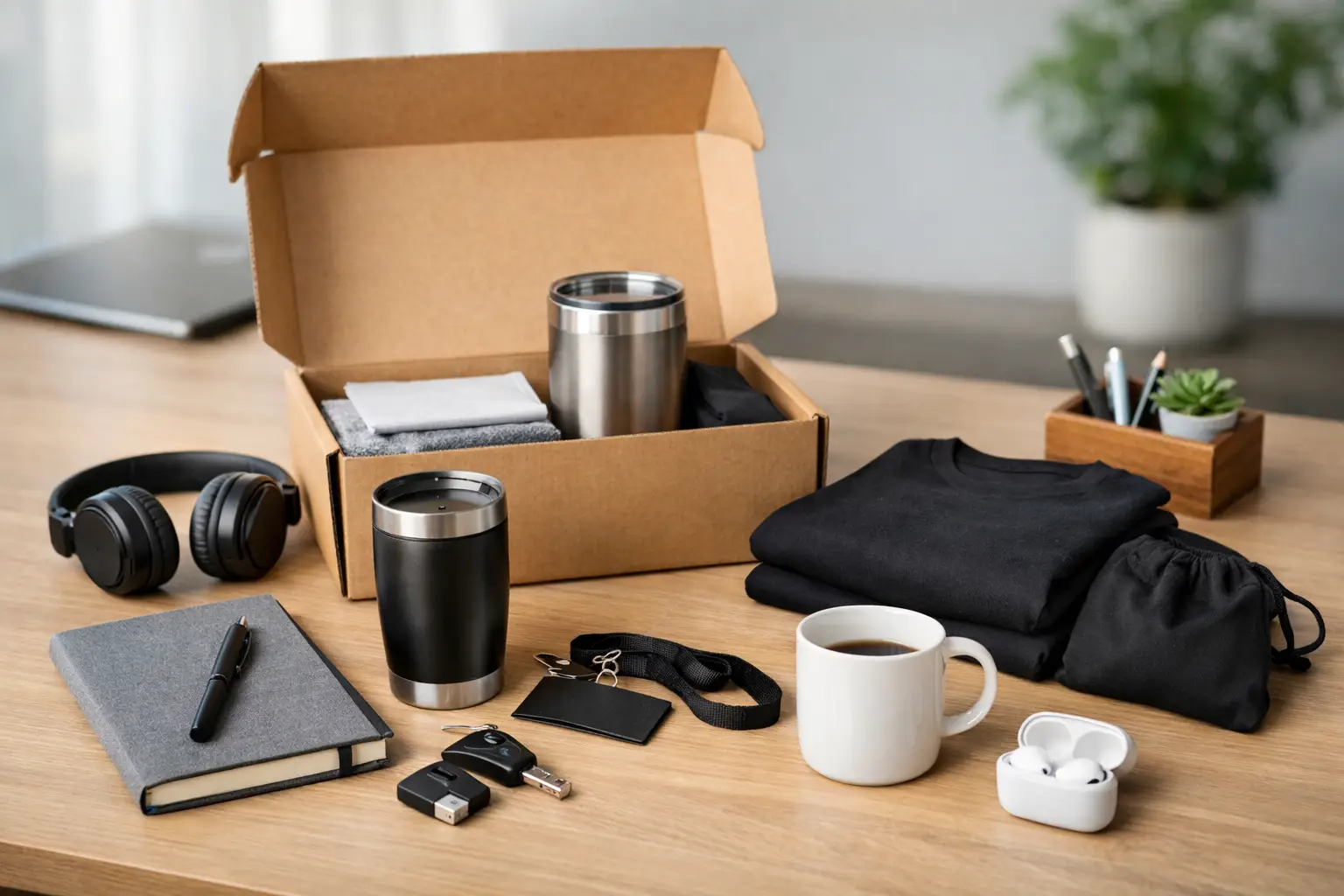
A new hire can tell a lot about your company before their first team meeting starts. If their desk is empty, their tools are delayed, and the onboarding pack feels like an afterthought, that first impression lands hard. The best employee welcome kit ideas do more than fill a box – they help people feel expected, equipped, and genuinely included from day one.
For HR teams, people managers, and operations leads, the challenge is not finding items to put into a kit. It is choosing pieces that serve a purpose, reflect your brand well, and stay within budget across multiple hires or locations. A good welcome kit should feel organized and useful, not random.
What makes the best employee welcome kit ideas work
The strongest kits usually balance three things: function, brand presentation, and employee experience. If you focus only on branded merchandise, the kit may look nice but end up unused. If you focus only on utility, it can feel transactional. The right mix helps new employees settle in while reinforcing that your company pays attention to details.
It also depends on who the kit is for. A field team, office-based staff, remote employees, and new managers will not need the same items. Industry matters too. A finance firm may want a more polished and understated presentation, while a fast-growing tech company may lean into energy, color, and lifestyle items.
That is why the best approach is usually not one universal box. It is a core kit supported by role-based or work-style-based add-ons.
12 best employee welcome kit ideas for a stronger first impression
1. A branded notebook and pen set
This remains one of the most reliable welcome kit staples because it is practical across almost every role. New hires use notebooks during onboarding sessions, training, and early meetings, so the item earns its place immediately.
Choose a design that reflects your company well. A clean hardcover notebook paired with a quality pen usually feels more professional than overloading the set with excessive branding. Subtle logo placement often has a stronger effect than making every surface promotional.
2. A company T-shirt, polo, or light jacket
Apparel helps people feel part of the team quickly, especially during orientation, internal events, or team photos. It also works well for companies that want a consistent brand presence across departments.
The trade-off is sizing and style. Apparel can create a strong impression, but only if the fit and material are right. For mixed teams, a lightweight jacket or polo often feels more versatile than a standard T-shirt. If your workforce includes client-facing staff, quality matters even more.
3. A reusable water bottle or tumbler
This is one of the most consistently useful items in a welcome kit. It supports daily use, works in office and remote settings, and gives your branding repeated visibility without feeling forced.
Material and finish make a difference. A durable stainless-steel bottle or insulated tumbler typically has a better perceived value than a low-cost plastic item. If budget is tight, it is usually better to choose one well-made drinkware item than several lower-value fillers.
4. A laptop sleeve, backpack, or tote bag
A carry item is especially helpful for hybrid teams, employees who commute, or staff attending training sessions across locations. It gives the kit a practical anchor and can also elevate the perceived value of the entire package.
Your choice should match how employees work. A laptop sleeve suits office and corporate environments. A backpack may be better for mobile or regional teams. A tote can work for events, training materials, and lighter daily use, but it depends on your company culture and how formal you want the presentation to feel.
5. Essential desk accessories
Useful desk items can make a new workspace feel prepared rather than temporary. This can include mouse pads, organizers, cable accessories, sticky notes, or simple stationery pieces.
The key is restraint. Too many small items can make the kit feel cluttered. A few well-chosen accessories that support daily work are more effective than loading the box with novelty products that will end up in a drawer.
6. A personalized welcome card from the team or manager
Not every memorable item needs to be expensive. A short printed card with a personal note adds warmth and shows the employee was not processed through a generic system.
This matters even more in larger organizations where onboarding can feel standardized. If you are investing in branded merchandise, pairing it with something personal helps balance the experience. It tells the employee that the company planned for their arrival, not just their paperwork.
7. Tech accessories that support productivity
For many businesses, tech accessories make some of the best employee welcome kit ideas because they are easy to use and relevant from day one. Popular options include wireless mouse devices, charging cables, webcam covers, power banks, or compact phone stands.
The right choice depends on budget and role. A power bank may be useful for event teams or staff on the move. A branded phone stand or cable organizer may be enough for office-based onboarding. If you choose electronics, quality control is important. Poor-performing tech items can create the opposite of the impression you want.
8. Onboarding documents in a well-presented folder
Even in digital-first workplaces, physical onboarding materials still have value when presented properly. A branded folder with a welcome letter, organization chart, key contacts, company values, and first-week schedule can reduce uncertainty for new hires.
This is especially useful when the first day includes multiple meetings, compliance steps, or team introductions. Instead of making employees search through scattered emails, you give them one organized reference point. It is not the most exciting part of the kit, but it can be one of the most helpful.
9. Snacks or premium treats
A small snack pack can make the kit feel more generous and human. It works well for first-day desk setups, remote employee deliveries, or orientation sessions where timing may be tight.
There are some limitations. Food choices require more care around shelf life, allergies, dietary restrictions, and delivery conditions. If your organization has a diverse workforce or international shipping needs, this item may be better as an optional add-on rather than a standard inclusion.
10. Wellness-focused items
Companies that want to support employee well-being can include practical wellness pieces such as hand cream, mini self-care items, or a compact lunch container for office use. These are not always necessary, but they can fit well in people-focused employer branding.
This category works best when it aligns with your culture. If your company actively promotes employee wellness, flexible work, or thoughtful workplace support, these items feel credible. If not, they can come across as decorative rather than meaningful.
11. Role-specific tools
A welcome kit becomes far more effective when part of it is tailored to the employee’s actual job. For sales teams, this might mean presentation materials or premium notebooks for client meetings. For event staff, it might include lanyards, credential holders, or travel-friendly accessories. For school or training environments, it might mean practical stationery packs.
This is often where companies get the strongest return. Instead of building one oversized generic kit, they create a core branded set and then add targeted items by department. That keeps costs more controlled while improving usefulness.
12. Packaging that feels intentional
The box, pouch, or presentation method matters more than many teams expect. The same items can feel significantly more premium when they arrive in an organized, branded package with clean inserts and consistent design.
Good packaging also supports scale. If you are onboarding multiple employees each month, a repeatable packing format keeps the process efficient and protects product quality. For companies managing hiring waves, this operational detail makes a real difference.
How to choose the best employee welcome kit ideas for your company
Start with your onboarding reality, not an aspirational wishlist. Ask what a new employee genuinely needs in their first week, what items reinforce your brand well, and what budget makes sense when hiring volume changes.
A practical structure is to build around three layers. The first is a core set for everyone, such as a notebook, pen, drinkware item, and welcome card. The second is work-style support, such as bags or tech accessories for hybrid and remote teams. The third is role-specific additions based on function.
Budget planning matters here. If you need a kit for frequent onboarding, consistency and fulfillment speed may matter more than including premium items in every box. If the kit is for leadership hires, graduate programs, or milestone onboarding campaigns, you may want more elevated packaging and product choices.
It also helps to think about lead times early. Custom apparel, printed stationery, packaging, and electronics often have different production schedules. Working with one experienced supplier can reduce delays, especially when you need product sourcing, branding, packing, and delivery coordinated under one timeline.
Why execution matters as much as item selection
The best employee welcome kit ideas can still fall flat if the execution is messy. Misspelled names, incorrect sizes, delayed arrival, or uneven print quality quickly weaken the effect.
That is why procurement and HR teams usually benefit from treating welcome kits as an operational program rather than a one-off purchase. Standardize the items that should stay consistent, define approval steps for artwork and packaging, and prepare a process for reorders or urgent hires. A partner such as Global Asia Printings can help streamline that process when you need product variety, customization, and dependable turnaround without juggling multiple vendors.
A welcome kit should make a new employee feel ready to start, not remind your team how complicated sourcing can be. When the kit is useful, well branded, and delivered on time, it sets the right tone before the first week gets busy. That is often the difference between a box of merchandise and a first impression that actually does its job.