


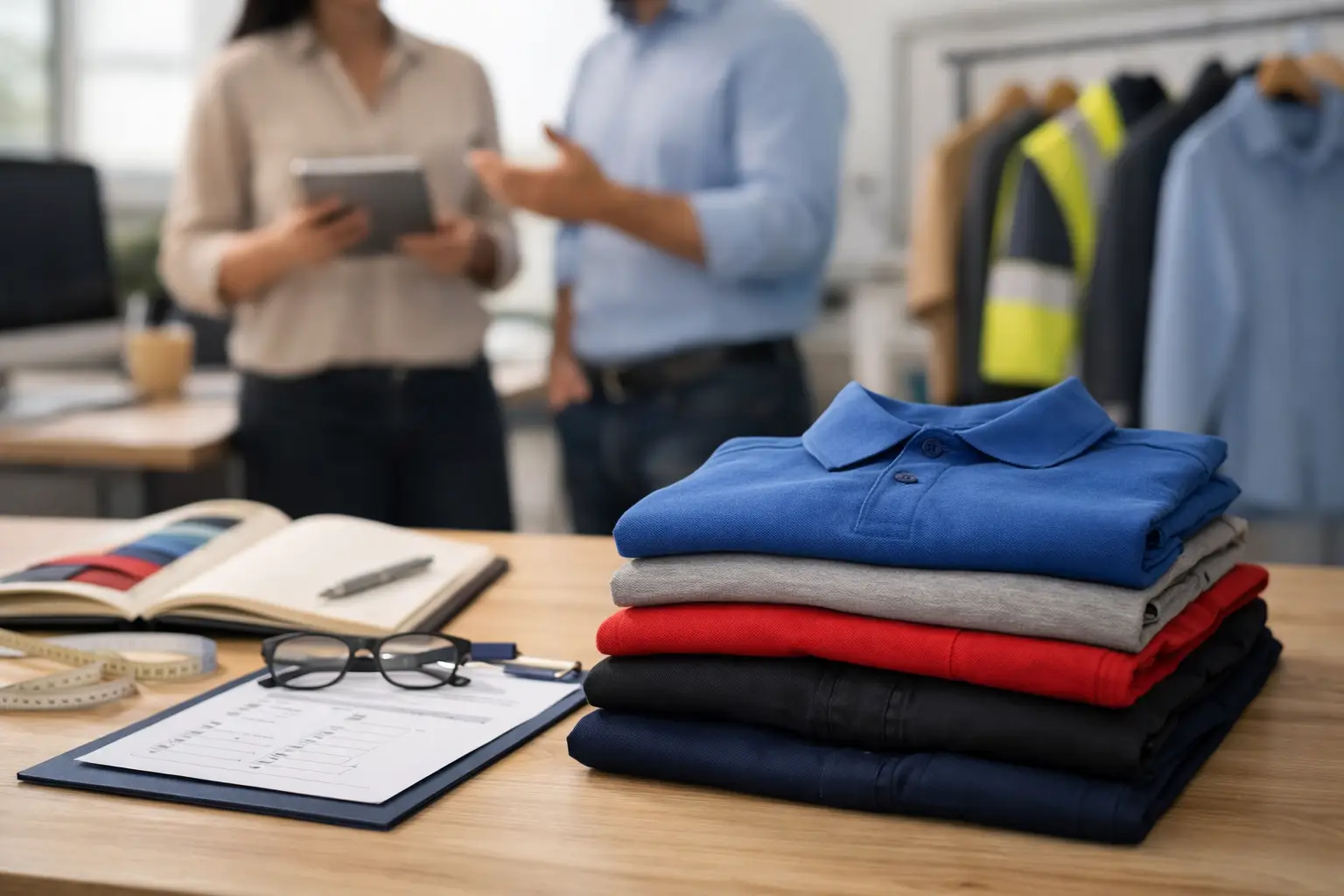
A uniform order usually looks simple until the real questions start. How many sizes do you need, which fabric works for the job, how should the logo be applied, and what happens if half the team needs their uniforms in two weeks? If you are figuring out how to order company uniforms, getting those decisions right early saves time, budget, and a lot of avoidable back-and-forth.
For HR teams, procurement staff, office managers, and event coordinators, uniform buying is rarely just about apparel. It is about presentation, comfort, consistency, and making sure the order actually works in day-to-day use. A polished polo may suit front-desk staff, while warehouse teams may need more durable pieces, and event crews often need lightweight, fast-turnaround options. The right order starts with the role, not the catalog.
How to Order Company Uniforms Based on Actual Use
The first step is defining where and how the uniforms will be worn. Indoor office use, outdoor activation work, hospitality service, logistics operations, and school programs all place different demands on apparel. If the uniforms will be worn for long shifts in warm conditions, breathable dry-fit materials may make more sense than heavier cotton. If the goal is a more structured corporate look, a polo or woven shirt can present better than a basic tee.
This is where many buyers either overspend or underspecify. A premium jacket may look impressive, but it is unnecessary if the team only needs a lightweight layer for occasional event work. On the other hand, choosing the cheapest shirt available often leads to thin fabric, poor shape retention, and a shorter usable lifespan. A good supplier should help narrow the product options based on function, image, and budget instead of pushing a one-size-fits-all recommendation.
Start With Quantity, Timeline, and Budget
Before artwork or sizing is discussed, lock down the three factors that affect almost every production decision: quantity, delivery date, and budget range. These shape product selection, print method, and whether custom sizing or rush production is realistic.
Quantity matters because pricing usually changes at different volume tiers. Ordering 30 polos is a different project from ordering 300 mixed garments across multiple departments. Timeline matters just as much. Some products are readily available and quick to brand, while others require special sourcing or more complex production. Budget should be framed honestly from the start. It is easier to build the right recommendation when the supplier knows whether the target is a practical everyday uniform program or a higher-end executive presentation set.
If your order includes multiple locations, future staff onboarding, or repeat batches, mention that early. A uniform plan often works better when it is built for continuity rather than treated as a one-off job.
Choose the Right Garment Type
When people think about uniforms, they often focus on branding first. In practice, the garment itself makes the biggest difference in whether staff will actually wear it comfortably and consistently.
T-shirts are cost-effective and useful for roadshows, warehouse teams, school events, and casual campaign settings. Polo shirts are one of the most common corporate choices because they balance comfort and a cleaner appearance. Jackets and outerwear are helpful for field teams, travel programs, and cooler indoor environments. Depending on the industry, you may also need aprons, caps, button-down shirts, safety wear, or coordinated event apparel.
Fit also deserves attention. Unisex sizing can simplify ordering, but it does not suit every team equally well. Some organizations prefer a mix of men’s and women’s cuts for better comfort and presentation. If staff are wearing the uniforms daily, this is worth getting right. A cheaper option with poor fit often costs more later in replacements and dissatisfaction.
How to Order Company Uniforms With the Right Branding Method
Once the garment is selected, the next decision is how the logo or artwork will be applied. This should be based on the design, fabric, intended use, and expected lifespan of the uniform.
Embroidery is a strong option for polos, jackets, and corporate apparel where a durable, premium finish is important. It gives a professional appearance, especially for chest logos, but it is not always ideal for large graphics or very lightweight fabrics. Silk screen printing works well for larger quantities and bold designs, especially on tees and event apparel. Heat transfer can be useful for names, numbering, and smaller runs, while full custom cut-and-sew options may be better for brands that want a completely unique uniform look.
There is always a trade-off. Embroidery can elevate the garment, but it may cost more and feel heavier on certain fabrics. Printing is often more economical for larger artwork, but the finish depends heavily on the material and usage conditions. A dependable supplier should explain the pros and cons clearly instead of treating every logo the same way.
Get Artwork and Brand Standards Ready
Delays often happen because the product is chosen before the branding files are prepared. To keep the process moving, gather your logo files, brand colors, and any placement preferences early. Vector artwork is usually best for clean production results, especially for embroidery and print setup.
If your company has specific logo size rules, approved Pantone references, or department-level variations, share them before sampling begins. This is particularly important when multiple stakeholders are involved. It prevents late-stage changes after mockups are approved.
If you do not have production-ready files, say so upfront. That is easier to solve at the beginning than after the order enters print. Many buyers are not design specialists, and a good vendor should be able to guide artwork preparation in a practical way.
Plan Sizing Like an Operations Task
Sizing is where otherwise well-run uniform orders start to break down. Guesswork leads to shortages in common sizes, excess stock in less-used sizes, and frustrated staff who receive garments they cannot wear comfortably.
The best approach depends on your team size and structure. For a smaller group, collecting sizes directly from each employee is usually manageable. For larger organizations, it helps to use a sizing form by department and include a clear deadline for submission. If the team is mixed across field staff, office personnel, and event crews, do not assume one fit profile will work for all.
If possible, request a size set or sample garments before finalizing a large order. This step can prevent costly errors, especially when ordering from a brand or cut your team has not worn before. Different manufacturers size differently, and even a standard polo can vary in fit.
It is also smart to order a small buffer for new hires, size exchanges, or damaged pieces. Exact-count ordering sounds efficient, but in many businesses it creates more disruption later.
Review Samples and Confirm Production Details
A visual mockup is helpful, but it is not the same as seeing the real garment. For substantial orders, reviewing a physical sample can make a meaningful difference. Fabric feel, logo scale, thread color, print sharpness, and garment cut are easier to judge in person than on screen.
This matters even more if the uniforms are customer-facing or tied to a brand rollout. A chest logo that looks balanced on artwork may appear too small on an actual jacket. A navy shirt may shift slightly from your expected brand tone depending on the base material. These are not necessarily production mistakes, but they should be checked before the full run begins.
When approving the job, confirm all core details in writing: product code, color, sizes, quantity per size, logo placement, print or embroidery method, packaging needs, and delivery schedule. Clarity here protects both sides and keeps production moving.
Work With a Supplier That Can Manage the Whole Process
Uniform buying becomes much easier when one vendor can guide product selection, branding method, artwork handling, and delivery coordination together. That is especially true for companies managing events, onboarding programs, or recurring staff apparel across departments.
A fragmented process usually creates the same problems: inconsistent quality, delayed approvals, unclear responsibility, and budget drift. An experienced supplier should be able to recommend practical alternatives if stock availability changes, advise on cost-saving adjustments, and keep the job aligned with your deadline. For many businesses, that operational support matters just as much as the garment itself.
At GAPS, this is often where clients save the most time. Instead of managing separate parties for sourcing, customization, and production, they can streamline the order through one experienced team that understands both brand presentation and delivery realities.
Common Mistakes to Avoid When Ordering Uniforms
Most uniform issues come from rushing the early decisions. Choosing based only on price, skipping sample review, underestimating lead time, and collecting sizes casually are the most common causes of rework. Another frequent mistake is ordering for today’s headcount without considering upcoming hires, events, or replacement needs.
The better approach is simple: treat uniforms like an operational purchase with branding implications, not just a product order. That mindset leads to better planning, better wearability, and better value over time.
If you are deciding how to order company uniforms, the goal is not just to place an order quickly. It is to put your team in apparel that fits well, represents your brand properly, and arrives when you need it. Get those foundations right, and the process becomes far more predictable from the first quote onward.