


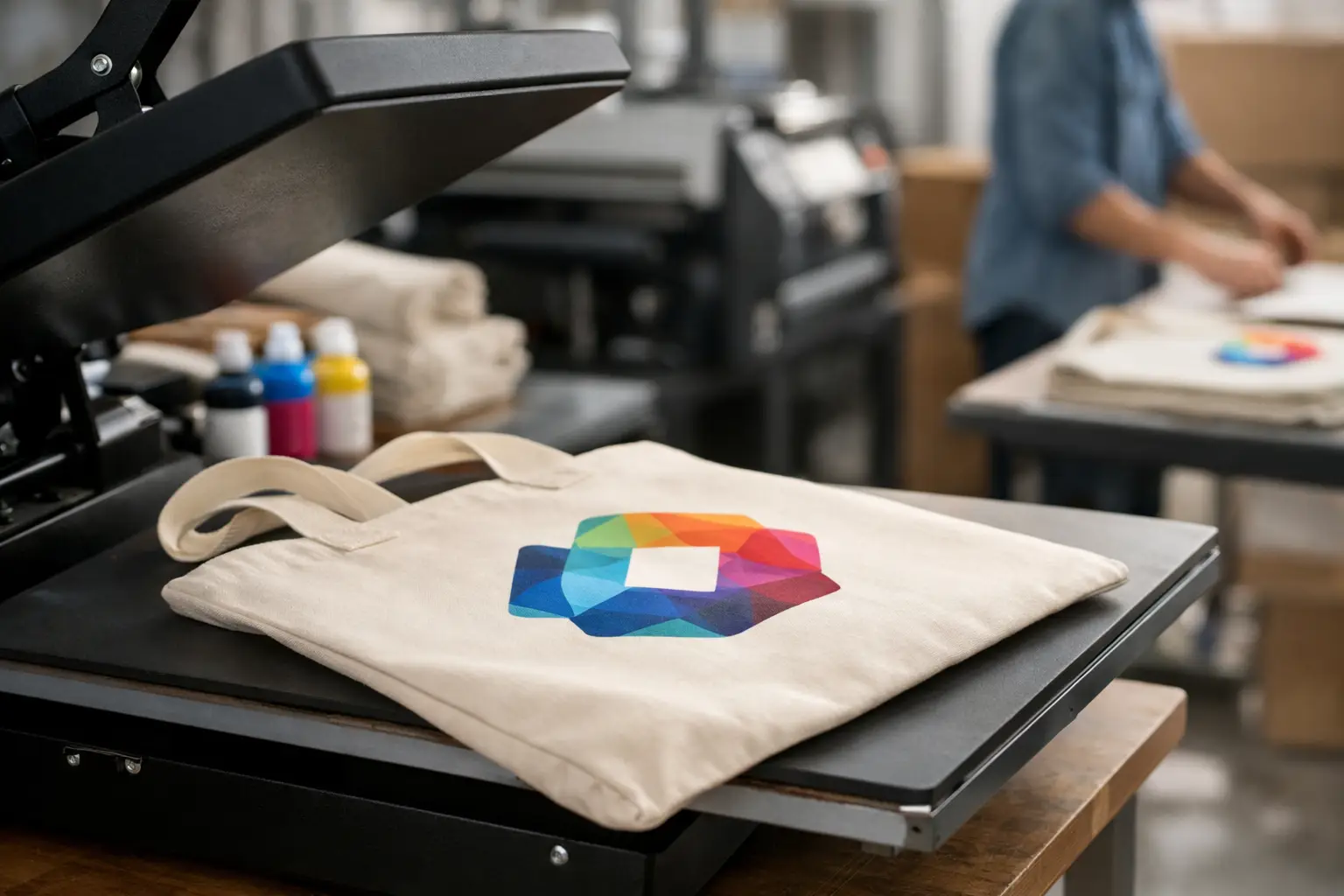
A rushed event order can expose every weak point in a merchandise plan. The wrong bag size, poor print placement, thin fabric, or late delivery can turn a simple giveaway into a problem. That is why custom tote bag printing works best when it is treated as a business decision, not just a logo application.
For marketing teams, HR departments, procurement staff, and event organizers, tote bags sit in a useful middle ground. They are practical enough to keep, visible enough to support branding, and flexible enough to fit trade shows, onboarding packs, conferences, retail promotions, school programs, and internal campaigns. When chosen well, they do more than carry items. They carry your brand into offices, commutes, stores, and daily routines.
Why custom tote bag printing works for companies
Many promotional items get used once and forgotten. Tote bags tend to stay in circulation because they solve a real need. People use them for documents, lunch, groceries, event materials, and day-to-day carry. That repeated use gives brands more visibility than novelty items that spend most of their life in a drawer.
From a business standpoint, tote bags also offer a practical balance of cost and presentation. A well-selected tote can look polished without pushing the budget into premium-gift territory. For large campaigns, that matters. For smaller, higher-value gifting, a better fabric, stronger handle construction, or cleaner print finish can elevate the item without requiring a full product change.
There is also room to tailor the bag to the audience. A lightweight cotton tote may suit a mass roadshow giveaway. A structured canvas bag may be better for executive events or client packs. A foldable non-woven option may fit a high-volume activation where transport, storage, and cost control are central.
Choosing the right tote before printing
The success of custom tote bag printing starts with product selection. Print quality matters, but the print can only look as good as the base item allows. A strong artwork file on a weak bag still produces an average result.
Fabric affects both cost and perception
Cotton tote bags are popular because they feel familiar, versatile, and easy to brand. Canvas tends to feel more substantial and premium, which can make it a better fit for corporate gifting or retail-style campaigns. Non-woven bags are often selected for cost efficiency and large-volume distribution, especially when function matters more than a higher-end finish.
The right choice depends on the use case. If recipients are expected to carry heavier items such as catalogs, bottles, or laptops, thicker material and reinforced handles are worth considering. If the bags are meant for short-term event distribution, a lighter option may be enough.
Size and gusset matter more than many buyers expect
A tote that looks fine in a mockup can become impractical in real use. Small bags may not fit event folders or giveaway bundles. Oversized bags can feel awkward if the contents are light. Gussets, which add depth to the bag, make a noticeable difference when the tote is meant to carry boxed items, apparel, or multiple handouts.
This is where planning around the actual contents helps. If the bag is part of a conference registration pack, onboarding kit, or exhibition giveaway, define what needs to go inside before approving the bag size.
Handle length changes usability
Short handles can work for hand-carry use, but shoulder-length handles are usually more convenient for events and everyday reuse. If comfort is part of the goal, especially for larger bags, handle construction should not be treated as a minor detail.
Custom tote bag printing methods and when they fit
Different print methods suit different artwork, quantities, and material types. Choosing the right one can protect both quality and budget.
Screen printing
Screen printing is a common choice for simple artwork, especially logos with one or a few solid colors. It is often cost-effective for medium to large quantities and can produce bold, clean branding. If your design is straightforward and consistency across a bulk order is the priority, this method is often a practical fit.
The trade-off is flexibility. Complex gradients, highly detailed artwork, or multi-color photographic designs may not be the best match.
Heat transfer or digital applications
For more detailed graphics, smaller batches, or artwork with multiple colors, digital-oriented print methods can be useful. These approaches can support greater design complexity, but the final result depends heavily on the bag material and the application quality.
They can be a strong option for campaign-specific visuals, event graphics, or more creative layouts where standard logo printing feels too limited.
Embroidery and mixed finishing
Some tote bag projects move beyond standard printed logos. Embroidery, woven labels, inner tags, and custom packaging can help when the bag is intended for premium gifting, retail presentation, or employee appreciation. These upgrades are not necessary for every campaign, but they can make sense when the item represents the brand at a higher level.
What makes a tote bag design effective
A common mistake in custom tote bag printing is trying to turn the bag into a flyer. Too much text, tiny contact details, or crowded layouts usually reduce impact. Tote bags work best with focused branding.
In most business settings, a clean logo treatment, strong brand color use, and a layout sized appropriately to the bag will do more than an overloaded design. If the tote is tied to a specific campaign or event, one supporting message can work well. Beyond that, restraint usually improves readability.
Print placement also matters. A centered front print is the standard choice, but side placement, smaller corner logos, or double-sided printing can work when there is a reason behind it. For example, a trade show giveaway may benefit from a large visible logo, while an internal company welcome kit may look better with subtler branding.
Artwork preparation should never be left to the last minute. Low-resolution files, missing fonts, unclear color references, and badly scaled logos can delay production or affect print results. For corporate orders with real deadlines, getting artwork reviewed early saves time and rework.
Business use cases where tote bags deliver value
Tote bags earn their place because they adapt to different departments and programs. Marketing teams use them for exhibitions, launches, and retail promotions. HR teams include them in onboarding packs, employee appreciation sets, and company milestone gifts. Schools and training organizers use them for orientation materials and event kits. Procurement teams often favor them because they are practical, brandable, and available across a wide range of budgets.
They also work well when paired with other items. A tote can serve as the packaging and part of the gift itself, holding notebooks, drinkware, lanyards, apparel, or printed materials. That reduces the need for separate packing solutions and creates a more organized presentation.
For event environments, this matters even more. When one supplier can coordinate the bag, the printed inserts, the apparel, and even on-site branding support, execution becomes easier to manage. That is often where experienced vendors add the most value. The product is only one part of the job. Timing, coordination, and consistency across the full order matter just as much.
How to plan a smoother tote bag order
The most efficient orders usually begin with four clear decisions: quantity, delivery date, intended use, and target budget. Once those are defined, the right tote type and print method become easier to recommend.
It also helps to be realistic about timelines. Custom production involves sourcing, sample review in some cases, artwork confirmation, printing, packing, and delivery. Urgent jobs can be managed, but fewer options may be available. If your event date is fixed, earlier planning gives you better control over both product choice and cost.
Budget conversations should happen upfront, not after product selection. A dependable supplier should be able to guide you toward options that fit the spend without forcing a mismatch between expectation and product grade. That guidance is especially useful when you are balancing quantity with perceived quality.
For buyers handling multiple moving parts, working with a vendor that understands event schedules, brand standards, and bulk fulfillment can reduce friction. Companies such as Global Asia Printings often support this process by aligning product recommendations, print methods, and delivery planning around the actual campaign requirement rather than just quoting a bag.
When cheaper is not better
There are times when a low-cost tote is exactly the right choice. Mass distribution campaigns, short-duration promotions, and simple event giveaways do not always need premium construction. But if the bag is meant to represent your brand in front of clients, senior guests, or employees, cutting too far can show.
Thin fabric, weak stitching, distorted prints, and poor shape retention make branded merchandise feel disposable. That affects brand perception more than many companies expect. A better result does not always require the most expensive option, but it does require matching the product standard to the audience and setting.
Good tote bag projects are rarely about the bag alone. They are about selecting a product that fits the moment, printing it properly, and delivering it without surprises. When that happens, the item keeps working long after the event table is packed up.