


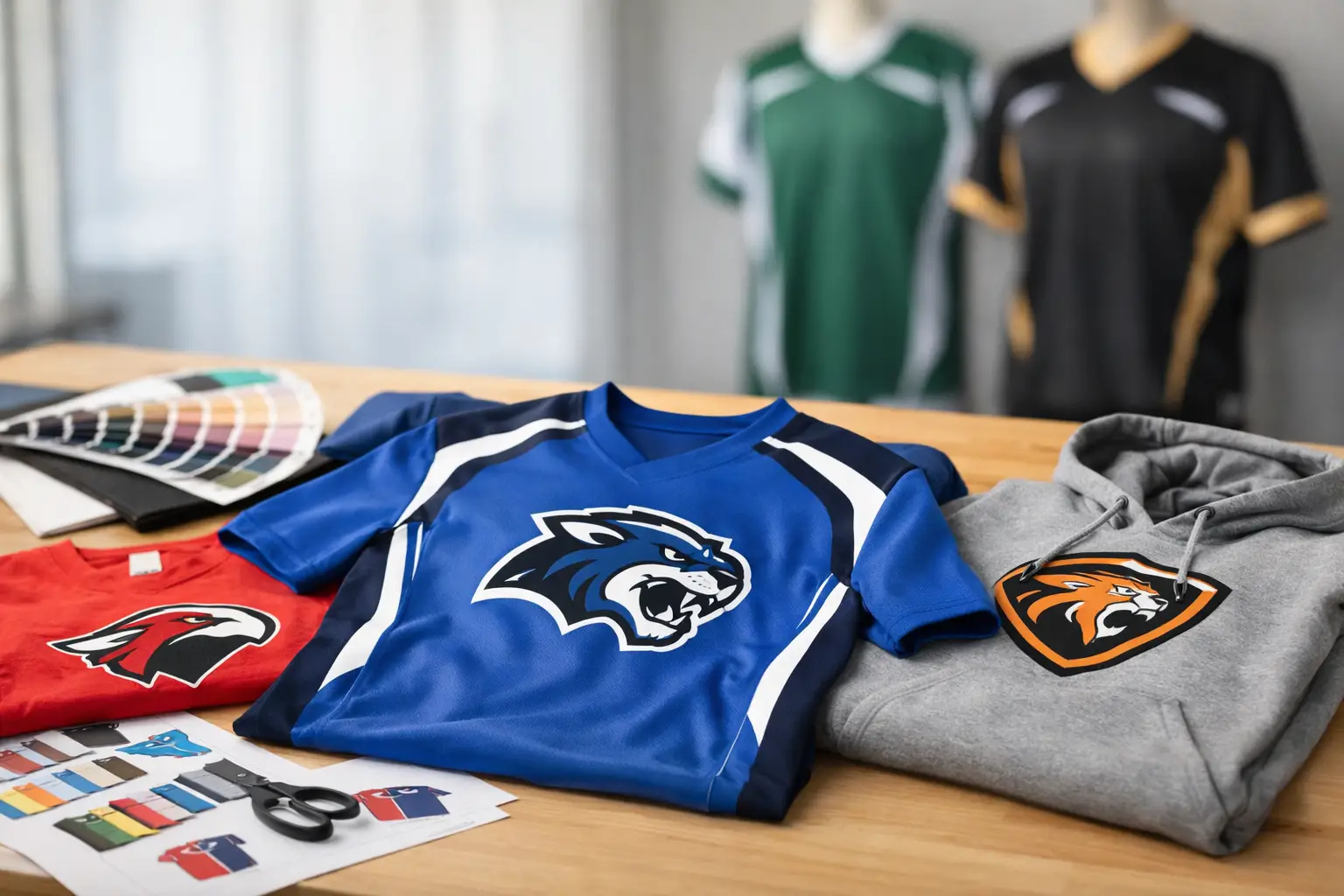
A team shirt can look excellent in a digital mockup and still become the item everyone leaves in a drawer. The best printed apparel for teams is not simply the lowest-cost T-shirt with a logo added. It is apparel that suits the people wearing it, the work or event they are attending, and the impression your organization needs to make.
For HR teams, event planners, school coordinators, and procurement professionals, the decision usually comes down to a few practical questions: Will people wear it more than once? Does it fit the working environment? Will the print remain clear after washing? Can the order be delivered correctly and on schedule? Answering those questions early prevents rushed substitutions, inconsistent sizing, and budget surprises later.
Start With the Team’s Actual Use Case
Printed apparel works harder when it is chosen for a specific purpose. A staff uniform for a customer-facing retail team has different requirements from a company sports day shirt, an exhibition crew polo, or a volunteer tee for a one-day campaign.
For active events, lightweight cotton, cotton blends, or moisture-wicking performance fabric can help participants stay comfortable. A crew neck T-shirt is often the most economical choice for larger groups and casual activities. For a professional setting, polos provide a more structured appearance while remaining easy to wear throughout a long shift. Jackets, overshirts, and outerwear can be worthwhile for field teams, travel programs, or cooler venues, particularly when the apparel will be used repeatedly.
Consider how long each person will wear the item. A shirt for a two-hour team-building activity can prioritize affordability and visual impact. Apparel for exhibition representatives who will stand, greet visitors, and move equipment all day should prioritize fit, fabric weight, breathability, and a polished finish. The right choice depends on the job the garment needs to do.
Best Printed Apparel for Teams by Occasion
There is no universal best garment, but several options consistently work well for business and organization orders.
T-shirts for campaigns, sports days, and large groups
Custom T-shirts are flexible, familiar, and available across a wide range of price points. They suit employee engagement programs, charity runs, orientation events, school activities, product launches, and volunteer teams. A standard cotton tee offers a comfortable, casual feel, while a cotton-poly blend can hold its shape well and dry faster.
Choose a color that supports the artwork rather than competing with it. White or light-colored shirts work well for detailed full-color graphics, while black, navy, and other dark colors can give a bold logo strong contrast. Keep in mind that printing on dark garments may require an underbase layer, which can affect both cost and the feel of the print.
Polos for staff, service, and client-facing teams
Polos are a dependable choice when a T-shirt feels too informal but a formal uniform is unnecessary. They work particularly well for sales teams, hospitality staff, roadshows, property management, golf events, and exhibition crews. A well-chosen polo gives the group a consistent appearance without making employees feel overdressed.
Embroidery is often a strong option for a small left-chest logo on polos because it looks established and holds up well over time. Printing may be better when the design includes gradients, fine detail, large artwork, or several colors. Fabric matters here: pique cotton has a classic textured look, while performance polyester can be more suitable for warm conditions and active roles.
Performance apparel for outdoor and active teams
For runs, tournaments, fitness events, and outdoor activation crews, performance shirts are usually the more practical investment. Their moisture-wicking fabric helps manage perspiration, and their lighter weight can make a noticeable difference during long event days.
Not every print method performs the same way on polyester. Dye sublimation is ideal for suitable light-colored polyester garments and allows vibrant, all-over artwork without adding a heavy printed layer. Heat transfer can be useful for names, numbers, or smaller variable details. Confirm the garment material before finalizing the design, because a method that performs well on cotton may not be the right fit for technical fabric.
Jackets and layers for long-term visibility
Branded jackets, windbreakers, hoodies, and zip-up layers can turn a one-time apparel order into a longer-term branding asset. They are practical for operations teams, delivery personnel, event setup crews, company trips, and employee recognition programs. They also tend to have a higher perceived value than standard event shirts.
The trade-off is budget and sizing complexity. Outerwear costs more, colors and sizes may have different availability, and a poorly placed large print can feel stiff. A clean chest logo with a considered back print, or an embroidered logo on a quality jacket, usually creates a more wearable result.
Match the Print Method to the Artwork
A strong apparel order begins with the garment, but print selection determines how the design looks and lasts. The most suitable method depends on artwork detail, order quantity, garment fabric, placement, and budget.
Screen printing is often cost-effective for larger quantities with a limited number of colors. It produces bold, durable artwork and is a reliable choice for event shirts, campaign tees, and simple logo designs. Each color generally requires setup, so a highly detailed design with many colors may be better suited to another method.
Digital printing is useful for full-color images, gradients, and smaller runs where flexibility matters. It can reproduce more complex artwork, although results vary depending on garment material and color. Heat transfer is especially practical when each garment needs different names, job titles, or player numbers. It is also useful for quick personalization, but the finish should be selected carefully to suit the garment and expected wear.
Embroidery offers texture and a premium, professional feel for logos on polos, shirts, caps, bags, and jackets. Very small lettering or intricate graphics may need simplification so the stitched result remains readable. A production partner should flag these limitations before approval, not after the garments are completed.
Build a Brief Before Requesting a Quote
Clear information leads to accurate pricing and fewer production delays. Before approaching a supplier, prepare a short brief covering the event date, required delivery date, estimated quantity, garment type, colors, size range, logo placement, and artwork files. If the order supports a campaign or exhibition, include details about the venue and the staff role as well.
For a team order, it is also useful to decide whether every garment will be identical. Some programs need a consistent shirt for all participants, while others need different colors for organizers, crew, team leaders, and VIPs. Variable names and numbers should be collected in a final spreadsheet with spelling checked, rather than adjusted one by one during production.
Artwork quality matters more than many buyers expect. Vector artwork is generally preferred for logos because it can be scaled without losing sharpness. If only a low-resolution image is available, allow time for artwork preparation or redraw work. A supplier that provides design guidance can help adjust line thicknesses, colors, and placement so the printed result matches the intended brand presentation.
Do Not Treat Sizing as an Afterthought
Sizing is one of the most common sources of dissatisfaction in team apparel. Brand size charts differ, and a medium in one garment may not fit like a medium in another. This is particularly relevant for unisex cuts, fitted styles, performance fabrics, and jackets.
Ask for the applicable measurement chart and, where timing permits, review a physical sample. Collect sizes by chest measurement rather than asking participants to guess. For large groups, order a sensible quantity of spare common sizes for late additions or exchange needs. The exact mix depends on your audience, but relying only on a generic size ratio can create avoidable shortages.
Fit also affects whether apparel gets reused. A practical, comfortable garment with a discreet logo can become part of an employee’s regular wardrobe. That extends the value of the order far beyond the original event day.
Balance Cost Against Reuse and Risk
The lowest unit price is not always the best value. Thin fabric, limited size availability, poor print placement, or an unreliable delivery schedule can cost more in employee dissatisfaction and event disruption than a modest increase in garment budget.
At the same time, premium apparel is not necessary for every project. A high-volume, single-day campaign may benefit from a straightforward cotton T-shirt and simple screen print. A leadership retreat, client-facing roadshow, or staff uniform program may justify better fabric, embroidery, and a more considered color palette. Align the spend with expected wear, visibility, and the importance of the occasion.
Lead time should be part of cost planning, too. Last-minute orders can reduce garment choices and may require faster production arrangements. Finalize quantities and artwork as early as possible, then build in time for proofing, size collection, and delivery. GAPS can support this process by coordinating product selection, customization, and fulfillment through one accountable team.
Make Approval a Real Quality Check
Before production begins, review the proof as if you were seeing the apparel from across a room. Check logo size, placement, print colors, spelling, garment color, and the number of print locations. Confirm whether the logo is centered visually, not just mathematically, especially when pockets, plackets, zippers, or seams affect placement.
For important orders, ask to confirm a sample or clear production reference. This step is particularly valuable for new garments, unusual print placements, and branded colors where a small difference can be noticeable. A careful approval process protects both the buyer and the production team.
Choose apparel your team will be comfortable wearing, then give the artwork enough space and contrast to do its job. When those two priorities are handled well, the garments will support the event, strengthen recognition, and stay useful long after the group photo is over.