


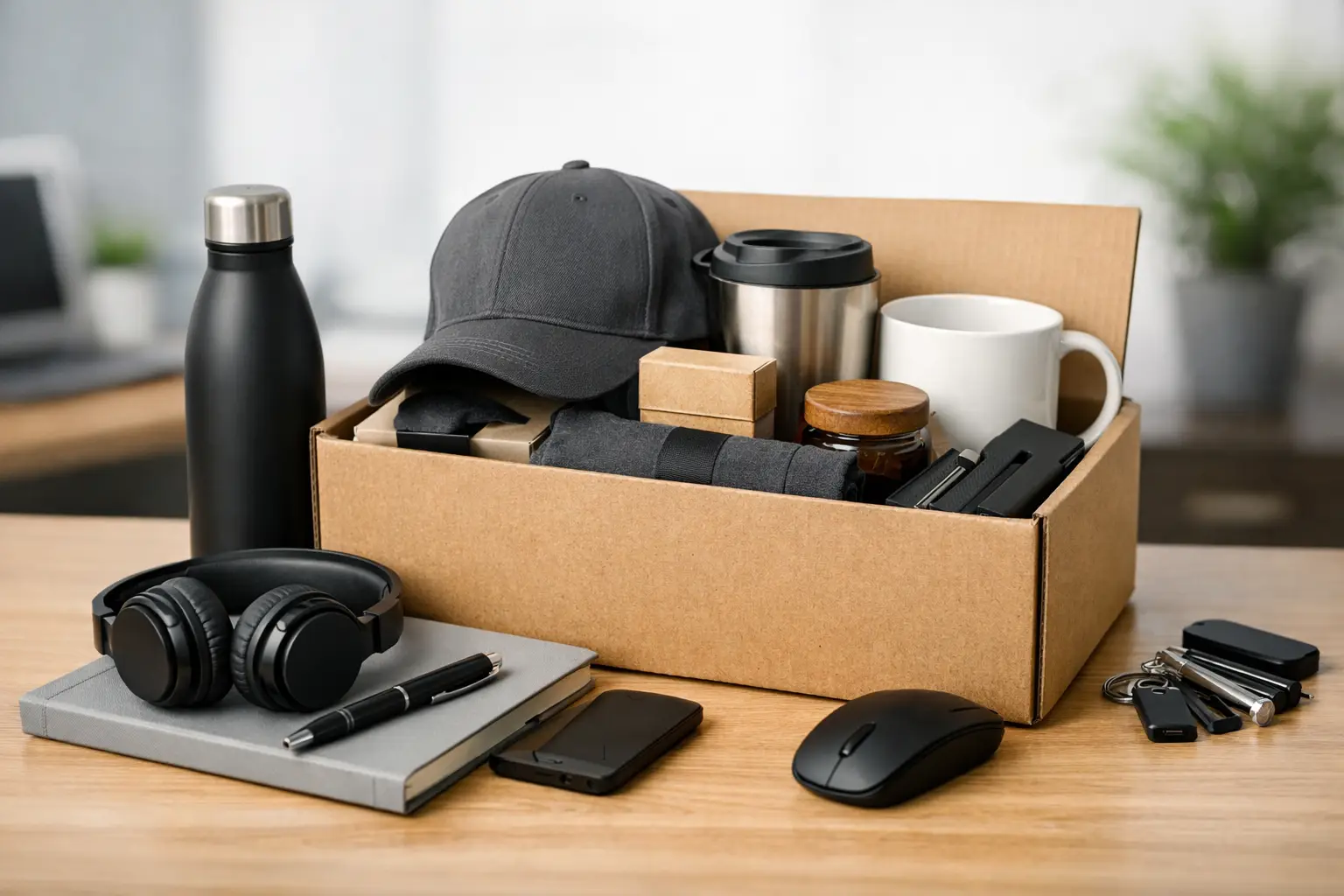
A new hire can tell a lot about a company in the first 10 minutes. If their desk is empty, their laptop setup is delayed, and the only onboarding item is a photocopied handbook, that first impression lands hard. Strong employee welcome kit ideas help companies start differently – with clarity, preparedness, and a sense that the business has thought through the employee experience.
For HR teams, office managers, and procurement leads, the challenge is not finding branded items. It is choosing the right mix of useful products, company identity, and budget control. A welcome kit should feel intentional, not random. It should support onboarding, make daily work easier, and reflect the standard your company wants employees to associate with the brand.
What good employee welcome kit ideas actually need to do
The best kits do more than look presentable in a joining-day photo. They serve three jobs at once. First, they remove friction by giving employees the basics they need right away. Second, they reinforce culture through thoughtful branding and messaging. Third, they create consistency across teams, offices, and hiring batches.
That balance matters because not every company needs the same setup. A sales team that travels often may value tech accessories and bags. A manufacturing workforce may need uniforms and practical gear from day one. A hybrid office may get more value from items that work both at home and on-site. Good planning starts with the role, the work environment, and the impression you want the company to make.
12 employee welcome kit ideas for practical onboarding
1. Branded drinkware employees will actually use
A quality tumbler, water bottle, or insulated mug is one of the safest choices in any welcome kit. It has daily utility, broad appeal, and enough surface area for clean branding without looking overdone. This works especially well for companies that want a polished, professional item rather than something novelty-driven.
The trade-off is quality. Cheap drinkware can leak, scratch, or lose temperature retention quickly, which weakens the impression. If this item is included, it should be worth keeping.
2. A notebook and pen set for immediate use
Even in digital workplaces, a notebook and pen remain practical during orientation, training, and meetings. This pairing is easy to customize and works across roles, industries, and budgets. It also helps create a complete desk-ready feel when new hires arrive.
For companies watching costs, this is often where value starts. A well-finished notebook and reliable pen can feel more thoughtful than a larger kit filled with lower-grade items.
3. Company apparel that feels wearable, not forced
T-shirts, polos, jackets, or hoodies can make a strong addition if the style is good enough to wear beyond orientation day. Apparel is especially effective for companies that want alignment across branches, event teams, retail staff, or field crews. It also helps new hires feel included quickly.
Sizing and style choice matter. If the cut, fabric, or logo placement feels awkward, the item may never be used. When apparel is part of the kit, it helps to choose neutral colors and a branding approach that looks clean rather than oversized.
4. A welcome card from leadership or the direct manager
Not every kit element needs to be expensive. A printed welcome note with the employee’s name, team, and start message adds a personal touch that branded merchandise alone cannot deliver. It tells the employee they were expected, not processed.
This works particularly well for growing companies that want to maintain warmth at scale. The card can stay standardized in design while still allowing a short custom message.
5. A laptop sleeve or work bag for hybrid teams
If employees are moving between home, office, and client meetings, a branded laptop sleeve, backpack, or tote bag can be one of the most useful items in the entire kit. It supports daily mobility and keeps the brand visible in a practical setting.
This is where many companies either overspend or under-spec. A premium bag can raise perceived value significantly, but only if it suits the employee profile. For internal roles that stay desk-based, a simpler carry item may be enough.
6. Desk essentials for a ready-to-work setup
Mouse pads, cable organizers, pouches, ID holders, and simple stationery accessories help make a workstation feel complete. These items are not flashy, but they are useful, and useful items get retained. When chosen well, they create a more organized first-day setup without adding unnecessary cost.
This category works best when kept selective. Too many small items can make the kit feel cluttered. It is better to include two or three desk essentials that solve real needs.
7. ID accessories and access items
For companies with office entry systems, events, or larger campuses, lanyards, badge holders, and access card sleeves make sense immediately. These products are functional from day one and help create consistency across the workplace.
They are especially relevant in environments where security, visibility, or staff identification matters. While not the most exciting item in a kit, they often become one of the most used.
8. Tech accessories with everyday value
Phone stands, charging cables, wireless mice, power banks, or webcam covers can make a welcome kit feel current and practical. These items are strong choices for office-based and hybrid employees who spend most of their day on devices.
That said, tech accessories need careful sourcing. Compatibility, quality, and safety matter more here than with simpler merchandise. If the accessory is unreliable, it creates frustration rather than goodwill.
9. Snacks or local treats for a more personal touch
A small pack of snacks, coffee sachets, or regionally sourced treats can make a welcome kit feel warmer and more human. This works well for orientation days, hiring events, and team onboarding sessions where the company wants the experience to feel less formal.
The limitation is shelf life and dietary preference. Food items are best treated as an optional extra rather than the core of the kit. They add personality, but the foundation should still be practical.
10. Benefits and onboarding materials in a better format
Printed onboarding materials still have a role when presented properly. Instead of handing over loose documents, companies can package key information in a branded folder, presentation box, or organized welcome pack. This keeps important forms, policies, and first-week resources easy to follow.
For many HR teams, this is where the kit becomes operationally useful rather than simply decorative. A strong presentation improves clarity and reduces the chance that critical information gets missed.
11. Role-specific items that reflect real work
Some of the best employee welcome kit ideas are not universal. They are tailored. A sales hire may need a presentation folder and premium notebook. A warehouse team member may need a uniform set and bottle. A field technician may need practical outdoor gear. Role-based customization shows better judgment than sending identical items to every employee regardless of job type.
This does add planning complexity, but it often improves both cost efficiency and employee satisfaction. You are spending on relevance, not just volume.
12. Premium packaging that brings the kit together
The box, pouch, or bag holding the items matters more than many buyers expect. Good packaging creates a cleaner handover experience, especially for onboarding events, leadership welcomes, and shipped kits for remote employees. It also helps standardize fulfillment when the company is onboarding at scale.
Premium packaging does not need to be extravagant. It needs to be sturdy, well-branded, and organized. A clean presentation makes even modest items feel more intentional.
How to choose the right employee welcome kit ideas for your company
Start with the employee context, not the catalog. Ask where the employee will work, what they need in the first week, and which items are likely to be used after the onboarding period. That quickly narrows the options.
Then look at budget in tiers. Many companies benefit from a good-better-best structure. A standard kit can cover essentials such as drinkware, stationery, and onboarding materials. Mid-tier versions can add apparel or a bag. Premium versions may include tech accessories or upgraded packaging for leadership hires, milestone recruits, or client-facing teams.
Branding should stay controlled. Not every item needs a large logo. In fact, over-branding can reduce usability, especially on apparel, bags, and desk accessories. Subtle branding often leads to higher retention because the item feels more professional.
Lead time is another factor that deserves attention early. Customized apparel, printed stationery, packaging, and role-specific variations all affect production planning. If your company hires in batches or runs campus recruitment programs, it makes sense to build a repeatable welcome kit system instead of treating each order as a one-off request.
This is where working with a vendor that can handle sourcing, printing, customization, and packing under one roof makes operations easier. For businesses managing multiple item types, coordinated production reduces delays and avoids the common problem of one missing item holding up the entire onboarding rollout.
Common mistakes to avoid
The first mistake is treating the welcome kit as a giveaway bag. More items do not automatically make it better. If half the products go unused, the kit was oversized.
The second is choosing purely for appearance. A box full of trendy items may photograph well, but if employees do not use them in real work, the value fades fast. Practicality should lead the decision.
The third is ignoring fulfillment details. Sizes, employee names, office locations, and joining dates all affect execution. Even a good kit concept can fail if packing and delivery are inconsistent. Companies such as Global Asia Printings often support this side of the process because the production work is only one part of getting the onboarding experience right.
A good welcome kit tells employees something simple and important: your company is prepared, your standards are clear, and their arrival matters. When the items are useful, well-branded, and organized with purpose, that message comes through before the first meeting even starts.