


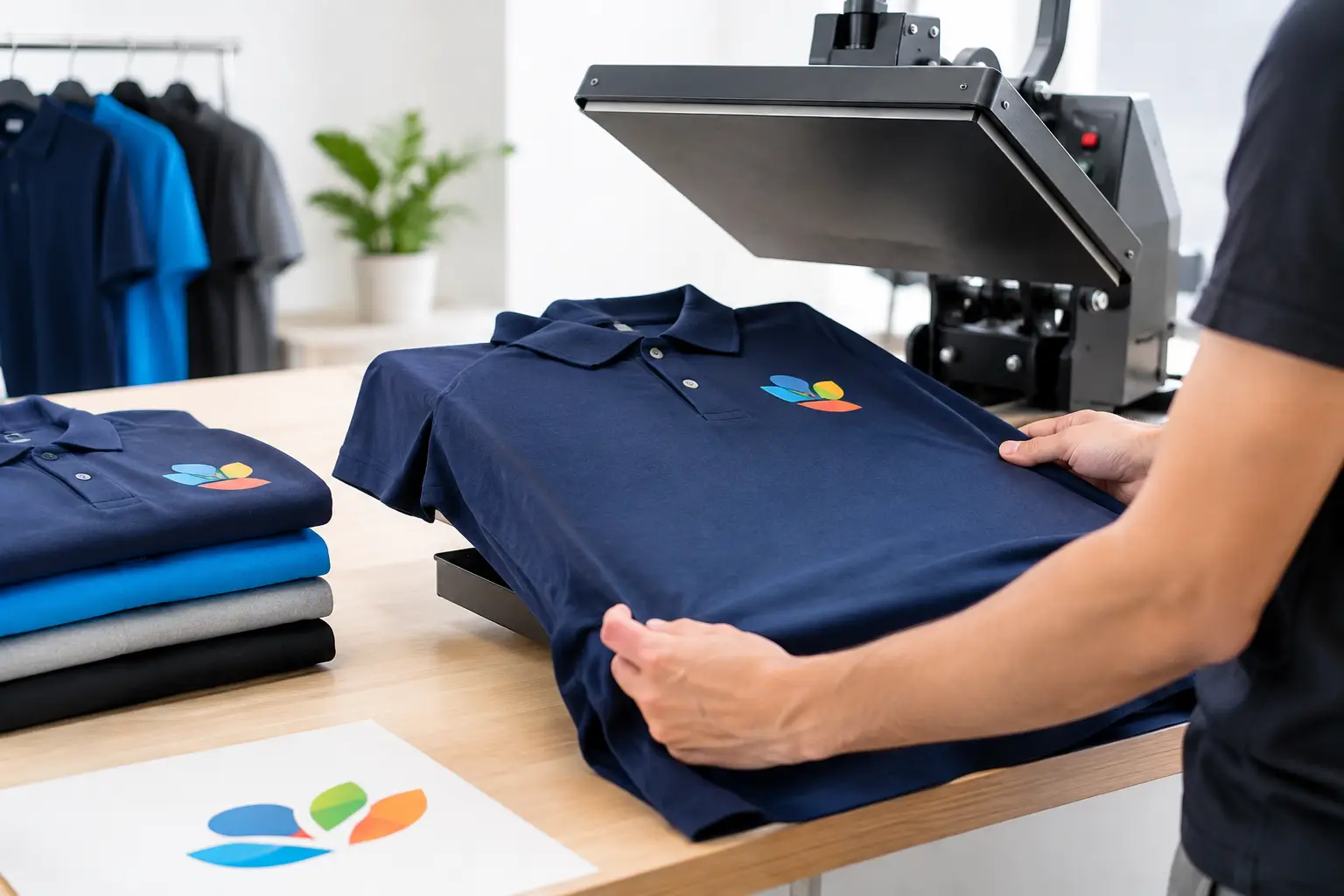
A uniform does more than identify who is on the team. It represents your company at the front desk, on the warehouse floor, at a trade show, or during a customer visit. When teams ask, “can uniforms be printed?” the answer is yes – but the best result depends on the garment, artwork, intended use, and production method.
A logo that looks sharp on a cotton event T-shirt may not perform the same way on a moisture-wicking polo, a safety vest, or a work jacket. Planning these details before production helps organizations avoid common issues such as faded graphics, uncomfortable prints, inconsistent colors, or a uniform that does not hold up through repeated wear and washing.
Can Uniforms Be Printed for Every Type of Team?
Most uniforms can be printed, including T-shirts, polo shirts, jackets, activewear, aprons, caps, tote bags, and selected workwear. The question is less about whether printing is possible and more about which application will suit the garment and working environment.
For office teams, retail staff, event crews, schools, and promotional campaigns, printed T-shirts and polos are often a practical choice. They are cost-effective for larger quantities, easy to distribute, and available in a broad range of colors and fits. A clean logo on the left chest, paired with a larger back print if needed, creates a professional look without making the garment feel overly branded.
For teams that work outdoors, in kitchens, in logistics, or in active roles, fabric performance matters more. Polyester and blended fabrics are popular because they are lightweight, quick-drying, and durable, but they need compatible printing methods. A supplier should assess the fabric composition, color, stretch, and expected wash frequency before recommending an approach.
Certain specialist garments require additional consideration. High-visibility uniforms must retain required reflective elements, while fire-resistant or treated workwear may have restrictions on heat applications. In these cases, branding should never compromise safety requirements or the intended performance of the garment.
Choose the Right Uniform Printing Method
The print method affects color accuracy, feel, durability, minimum order quantity, and cost. There is no single best option for every project. A reliable recommendation starts with how many uniforms you need, how detailed the artwork is, and how the apparel will be used.
Screen Printing for Larger Quantities
Screen printing is a strong option for simple designs and larger uniform orders. Ink is applied through a prepared screen for each color, producing bold, consistent graphics that stand up well to regular wear. It works especially well for company logos, event names, team identifiers, and designs with solid color areas.
Because each color requires setup, screen printing is usually more efficient when the design is straightforward and the order volume is higher. A one-color logo across 100 staff shirts can be very economical. A detailed multicolor illustration for a small team may be better suited to another process.
Heat Transfer and DTF for Detail and Flexibility
Heat transfer printing and direct-to-film, often called DTF, are useful for full-color artwork, small quantities, variable names, and detailed logos. The design is produced on a transfer material and heat-applied to the garment.
This approach gives businesses flexibility when each uniform needs a different name, number, department, or role. It can also reproduce gradients and fine visual detail more easily than traditional screen printing. However, placement and material selection are important. A large transfer across a heavy-use performance shirt may feel warmer than a direct print, so the size of the artwork should reflect how active the wearer will be.
Direct-to-Garment for Cotton Apparel
Direct-to-garment printing, or DTG, applies ink directly onto fabric. It is particularly suited to cotton or high-cotton garments and works well for small runs with full-color graphics. The finish can feel softer than some transfers, particularly when the artwork does not require a large solid ink area.
DTG is often considered for branded staff shirts, campaign apparel, and creative event uniforms. For darker garments, a white underbase may be needed so colors remain visible, which can change the hand feel slightly. Your production partner should provide guidance based on the actual garment color and artwork.
Embroidery When a Printed Look Is Not the Best Fit
Embroidery is not printing, but it is often the right alternative for uniforms that need a more formal or long-lasting finish. It is commonly used on polos, woven shirts, jackets, caps, and corporate outerwear. A small embroidered chest logo can create a premium impression for client-facing employees, management teams, and hospitality staff.
There are trade-offs. Fine details and small text may not translate cleanly in thread, and large embroidered areas can make a garment stiff or heavy. For that reason, an embroidered chest logo combined with a printed back design can be a practical way to balance presentation, comfort, and budget.
Start With the Uniform Fabric, Not Just the Logo
Businesses sometimes approve artwork first and select garments later. That can lead to unnecessary limitations. The fabric should help determine the decoration method from the beginning.
Cotton is comfortable, breathable, and generally straightforward to print. Cotton blends provide a balance of softness and durability. Polyester is ideal for sportswear and active uniforms but can be vulnerable to dye migration, where color from the garment affects the print. This is particularly relevant for dark or highly saturated polyester items.
Stretch fabrics also need care. A print that looks perfect while a shirt is laid flat may crack or distort if it is placed across an area that stretches significantly during wear. On fitted polos, athletic tees, and performance apparel, thoughtful sizing and placement matter just as much as the print itself.
Garment color plays a role too. A white logo may be effective on navy or black apparel, while a dark logo on a light shirt can look polished and understated. For brand colors that must be exact, discuss whether Pantone matching is required. Digital previews are helpful, but fabric texture and print method can affect the final appearance.
Plan Artwork and Placement for Real Working Conditions
Uniform branding should be easy to recognize without overwhelming the garment. The left chest remains a popular location for a reason: it is visible in conversation, works well with a small logo, and suits most business settings. A back print gives greater visibility for event crews, brand ambassadors, delivery teams, and outdoor staff.
Before submitting artwork, ensure the logo is available in a high-resolution format. Vector files are preferred because they can be resized without losing clarity. If only a low-resolution image is available, it may need to be recreated before printing. This step is worth addressing early, especially when your deadline is tight.
Think through the information that belongs on the uniform. A logo and company name may be enough for an office team. Event staff may benefit from role identifiers such as “Crew,” “Registration,” “Security,” or “Volunteer.” Sales teams may need a more subtle presentation, while promotional teams can carry stronger campaign messaging. The garment should suit the wearer’s job, not simply offer every available print area.
Ordering Printed Uniforms Without Last-Minute Problems
Uniform projects are easier to manage when the decision-making is organized before production begins. Confirm the garment style, color, size breakdown, logo placement, print colors, and delivery date before approving artwork. If different departments require different garments or branding details, keep the requirements in one clear order schedule.
For a first-time uniform program, requesting a sample or pre-production visual can prevent costly assumptions. Check the logo size against the garment size, especially if your team includes a wide range of fits. A chest print that looks balanced on a medium shirt may appear too large on an extra-small or too small on a 3XL. Some variation is normal, but it should be considered intentionally.
Lead time also deserves realistic attention. Artwork preparation, garment sourcing, print setup, quality checks, packing, and delivery all take time. Rush jobs are possible in some cases, but options may be narrower if a particular garment color or size is unavailable. Building in a buffer protects your launch date and gives room for approvals.
For organizations managing events or multiple branded items, working with one experienced supplier can reduce the burden on internal teams. Global Asia Printings can coordinate apparel selection, logo customization, related merchandise, and event branding requirements so teams are not chasing separate vendors for every component.
Make the Uniform Worth Wearing
The most effective printed uniform is one employees are comfortable wearing and proud to represent. That means choosing an appropriate fit, breathable fabric, a useful color, and branding that feels intentional rather than excessive. It also means matching production choices to the real demands of the job.
A well-planned uniform program gives your people a consistent appearance while helping customers recognize the team quickly. Start with the wearer, be clear about the environment, and let the garment and print method work together. The result is branding that performs long after the first event, shift, or campaign day.