


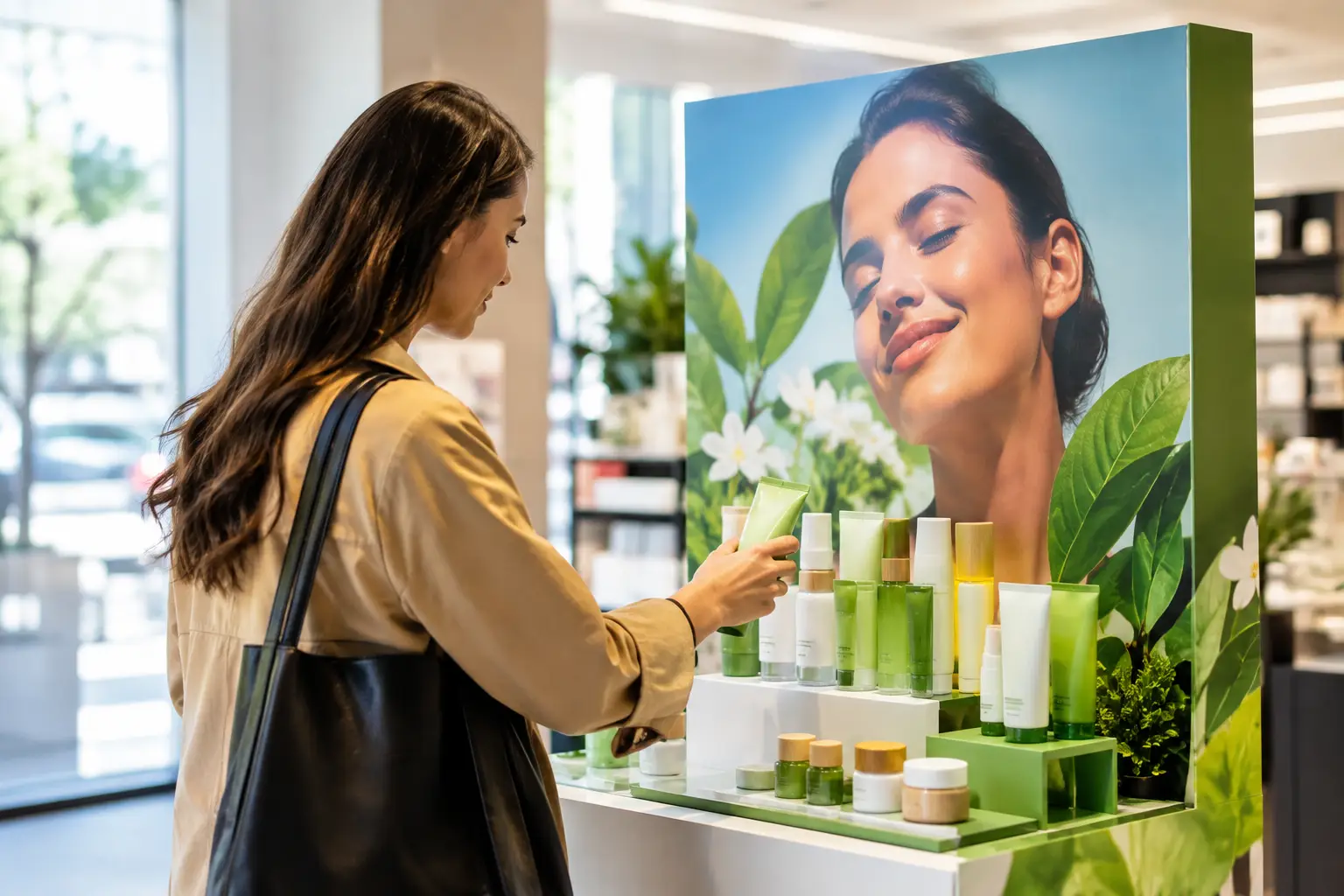
A shopper may pass dozens of products, signs, and offers in a single visit. Retail activation printing gives them a reason to pause. From a bold window graphic to a custom tote they can take home, printed touchpoints turn a campaign from something people see into something they remember.
For marketing teams, retail managers, and event coordinators, the challenge is not simply producing attractive materials. It is making every printed piece support a clear action: enter the store, try a product, scan a code, join a loyalty program, share a photo, or make a purchase. The right combination of print, merchandise, and on-site experience helps make that action feel natural.
What retail activation printing is designed to do
Retail activation printing covers the branded materials used to bring a promotion, launch, pop-up, or in-store campaign to life. It can include point-of-sale displays, floor decals, shelf talkers, posters, banners, product cards, counter signage, giveaway items, staff apparel, and custom packaging.
Its job is broader than displaying a logo. An effective activation creates a consistent visual path from the first point of attention to the final interaction. A customer sees the campaign at the storefront, recognizes it at the display, receives a branded item at the counter, and leaves with something that extends the experience beyond the store.
This is why print choices should not be made in isolation. A poster may look excellent on its own but still fail if it cannot be read from the appropriate distance, clashes with the retail environment, or does not tell shoppers what to do next. Good production starts with the customer journey, then matches the format, material, quantity, and finishing method to the campaign goal.
Build the activation around one shopper action
The most effective retail activations are focused. Before selecting display sizes or giveaway items, decide what success looks like. Is the campaign meant to build awareness for a new product, increase foot traffic, encourage sampling, capture customer details, or support a limited-time promotion?
That decision affects every production choice. A sampling campaign may need easy-to-read display boards, branded tasting cups, table wraps, and staff T-shirts that help shoppers quickly identify the team. A loyalty sign-up campaign may need counter cards with clear QR codes, queue barriers, and a small gift that makes registration feel worthwhile.
Avoid asking one printed item to do everything. A window decal can create awareness, but it should not carry the detailed instructions better suited to a counter sign. A premium gift can reward participation, but it is rarely the best tool for explaining product features. Give each item one clear role within the activation.
Make the message visible at retail speed
People do not read retail materials the way they read a brochure. They glance, decide whether the message is relevant, and move on. Headlines should be short, promotional details should be easy to locate, and calls to action should be unmistakable.
Scale matters just as much as copy. Large-format graphics need strong contrast and fewer words because they are viewed from a distance. Small shelf tags and product cards can carry more detail, but type still needs to remain legible under retail lighting. If a customer has to stop and concentrate to understand the offer, the message is working too hard.
QR codes deserve the same practical thinking. Use a code large enough to scan quickly, place it where a phone can reach it without blocking traffic, and add a brief reason to scan. “Scan to enter” or “Scan for your gift” provides useful direction. A code with no context can easily be ignored.
Choose materials for the location, not just the design
Retail spaces are demanding environments. Displays are moved, touched, cleaned, exposed to light, and sometimes installed only hours before opening. The best material depends on where the piece will sit and how long it must perform.
For short promotions, lightweight foam boards, posters, table tent cards, and vinyl decals can offer strong visibility without excessive cost. For a campaign with repeated use across multiple locations, more durable display systems, fabric backdrops, or carefully finished signage may provide better value over time. Window graphics must also account for glass type, visibility from both sides, and whether the message should be removable after the promotion.
Giveaway merchandise requires similar judgment. A high-volume launch may call for practical, budget-conscious items such as tote bags, lanyards, stickers, pens, or drinkware. For a client appreciation event or premium product launch, a better-finished gift, custom packaging, or personalized item may be more appropriate. The right choice depends on the audience, expected volume, perceived value of the offer, and how long the item should remain in use.
Use branded merchandise to extend the campaign
Printed retail materials do their work inside the store. Branded merchandise can continue that work after the shopper leaves. A useful item with a well-placed logo creates additional impressions, but usefulness should lead the decision.
Consider the setting. A fitness retail event may benefit from towels, water bottles, or drawstring bags. A beauty promotion may work better with cosmetic pouches, compact mirrors, or reusable shopping bags. For tech or business-focused audiences, cable organizers, notebooks, and travel accessories may feel more relevant.
Personalization can add another layer of participation. When customers can add a name, choose a graphic, or watch a design being printed, the item becomes part of the experience rather than a standard giveaway. Live event printing is especially effective for launches, mall activations, campus campaigns, and brand events where creating a small crowd is part of the objective.
That said, live customization needs operational planning. Allow sufficient space for equipment and queues, confirm power and venue requirements, prepare artwork options in advance, and set realistic output expectations for the event duration. A memorable experience still needs to move at a pace that keeps customers engaged.
Keep production consistent across every touchpoint
A fragmented vendor approach can create unnecessary risk. Colors vary between print runs, display sizes do not match site measurements, merchandise arrives separately from signage, or final artwork changes are lost between suppliers. These issues are particularly stressful when a campaign has a fixed launch date.
Working with one experienced production partner can simplify the process. The same team can advise on suitable products, check artwork, manage print specifications, coordinate branded merchandise, and support installation or event execution where required. That does not mean every campaign needs every available service. It means the production plan can be managed as one connected project.
Before approval, check the practical details that often affect results: final dimensions, print areas, material finish, packing requirements, delivery schedule, venue access, and replacement quantities for high-traffic items. For campaigns across several stores, clear labeling and location-based packing can reduce installation errors and save staff time.
Plan early, but protect room for change
Retail calendars move quickly. Promotions are sometimes confirmed late, product launches shift, and artwork is often updated after initial planning. Starting early gives you better material options, more time for samples, and less pressure on the budget. It also allows the team to test whether the design works at full size rather than only on screen.
Still, a good print plan should account for change. Prioritize the assets with the longest production lead times, such as custom merchandise, specialty finishes, large installations, and personalized items. Keep flexible items, including posters, inserts, and selected decals, later in the schedule when possible. This approach helps protect the launch without forcing every decision too early.
At Global Asia Printings, retail and event projects are approached as production plans, not a collection of separate orders. Product selection, artwork guidance, printing, branded merchandise, and on-site activation support can be aligned around the campaign’s timing, budget, and customer experience.
A retail activation is successful when shoppers know what is happening, why it matters, and what to do next. Start with that moment of decision, then make every printed surface and branded item earn its place.