


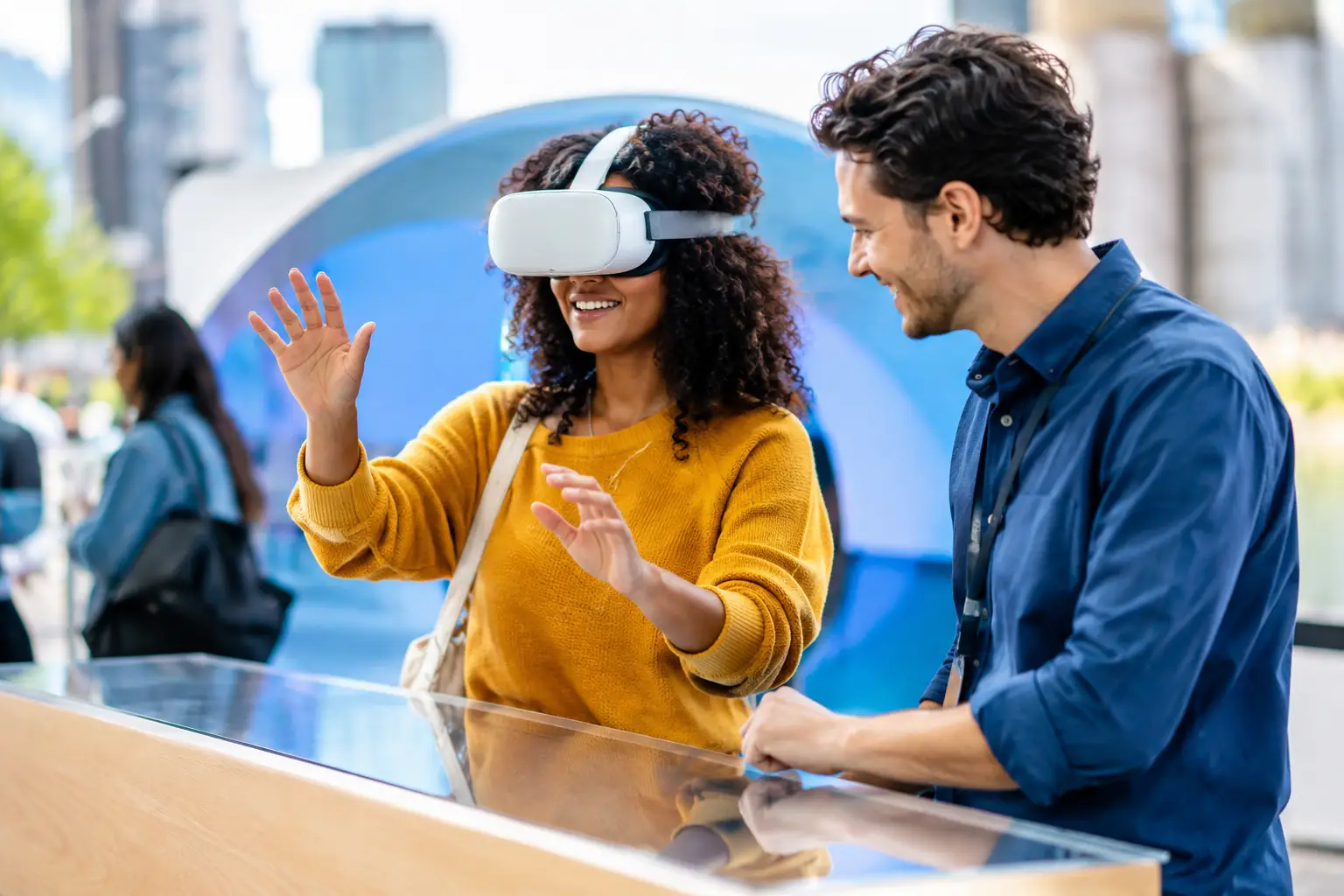
A crowded event floor is not the problem. Being forgotten once attendees leave is. The most effective experiential marketing trends are moving brands away from passive giveaways and toward useful, participatory moments that give people a reason to stop, create, share, and remember.
For marketing teams, HR departments, event planners, and procurement coordinators, this shift changes more than the look of a booth. It affects merchandise selection, staffing, artwork timelines, production planning, and how success is measured. A custom item can still be valuable, but it performs better when it is part of an experience rather than handed out without context.
Experiential Marketing Trends Shaping Events
Live personalization creates a reason to stay
Live event printing remains one of the strongest ways to turn branded merchandise into an experience. Instead of receiving a pre-printed T-shirt, tote bag, cap, or notebook, attendees choose a design element, add a name, select a patch, or watch the item being produced on-site. That visible process creates attention and gives guests a clear reason to engage with the brand team.
Personalization does not need to be unlimited to feel special. In fact, a tightly managed menu of options is usually better for busy events. Offer three design choices, a short list of names or titles, or a few color combinations. This protects production speed, keeps the queue moving, and helps maintain consistent brand presentation.
The trade-off is operational. Live printing needs adequate power, a practical workstation layout, tested artwork, stock planning, and trained staff. A concept that looks simple in a campaign deck can become difficult if every attendee needs a different approval, size, or design. The best activation is one that feels personal to guests while remaining controlled behind the counter.
Merchandise is becoming more functional
Promotional products work harder when they solve a real need during or after the event. For a conference, that may mean a quality tote, charging accessory, drinkware, badge holder, notebook, or lightweight jacket. For an employee program, it might be a practical uniform piece, desk item, wellness gift, or travel accessory.
The item should match the setting and the audience. A premium client dinner calls for a different gift than a campus orientation or a high-volume trade show. Price alone does not determine perceived value. A well-selected item with thoughtful branding can feel more considered than an expensive product that has no connection to the occasion.
Function also supports longevity. When an attendee continues using a bag, bottle, polo, or tech accessory, the brand gets repeated visibility without asking for another moment of attention. This is why product selection should begin with use case, not simply with what is available in a catalog.
Participation is replacing passive display
People remember what they do more readily than what they look at. Interactive elements such as product demonstrations, quick challenges, photo moments, creative customization stations, and guided sampling can turn a standard booth into a destination.
The strongest activity has a direct connection to the brand message. A photo wall may attract traffic, but it needs a clear visual identity and a reason for the attendee to share it. A game can create energy, but it should not feel disconnected from the product or campaign. If the experience is entertaining but no one can recall the host brand, the activation has done only part of its job.
For corporate events, participation can be quieter and still effective. A recognition wall, customized appreciation gift, team-building station, or curated welcome kit can create a meaningful experience without the pace of a consumer pop-up. The right format depends on the audience, venue, and purpose.
Branded environments are becoming more modular
Event teams are under pressure to create a polished visual presence while managing tighter setup windows and changing venue requirements. Modular booths, reusable backdrops, portable display systems, and adaptable signage help brands build a consistent environment across multiple events.
This approach can reduce waste and improve cost control over a campaign calendar, especially when core structures are reused and only campaign-specific graphics are refreshed. It also makes it easier to scale. A brand may use a compact setup for a roadshow, then add counters, display walls, and interactive zones for a larger exhibition.
Reusability should not lead to generic design. The physical space still needs a clear focal point, easy traffic flow, and visible branding from the right distance. Booth setup is not just decoration. It guides where people enter, where conversations happen, and how staff can serve guests without creating congestion.
Data collection needs a clear value exchange
Event teams want leads, feedback, and follow-up opportunities. Attendees want to know why they are being asked for their details. The most effective approach is direct: explain what the guest receives in return, whether it is a personalized item, entry into a useful session, access to a digital resource, or participation in an activity.
Keep the form short and relevant. Asking for too much information at a busy booth lowers completion rates and can make the exchange feel overly transactional. Capture only what the sales or marketing team can realistically use, then agree on how and when follow-up will happen before the event begins.
How to Apply Experiential Marketing Trends Without Overcomplicating the Event
Start with one business objective. It could be generating qualified leads, launching a product, increasing social content, welcoming employees, recognizing clients, or building awareness at an exhibition. A single objective gives the activation a practical filter. If an idea does not support that goal, it may be interesting but unnecessary.
Next, design the attendee journey from first sight to post-event use. What will attract the person? What will they do? What will they receive? What should they remember afterward? This exercise helps connect booth visuals, staff scripts, printed materials, merchandise, and follow-up rather than treating each as a separate project.
Artwork preparation deserves early attention. Logos, fonts, brand colors, print placement, and file quality can affect both production speed and final results. If items will be printed live, simplify the artwork for the chosen method and test it before event day. A detailed design that works on a screen may not reproduce cleanly on fabric, small accessories, or curved surfaces.
Budget planning should account for the full experience, not only the unit cost of a giveaway. Consider event space, booth installation, staffing, equipment, printed graphics, packaging, transport, replenishment stock, and contingency quantities. A smaller volume of well-executed, useful merchandise may deliver better results than a large order that is distributed without engagement.
Measure More Than Foot Traffic
Foot traffic is useful, but it does not tell the full story. A busy booth can produce limited business value if visitors do not engage meaningfully or fit the intended audience. Set practical measures based on the campaign goal, such as qualified conversations, lead completion rate, redemption rate, social posts, event sign-ups, product demonstrations, or feedback responses.
For live customization, track how many items were produced, which options were most selected, and peak demand periods. This information improves planning for the next event. For employee or client gifting, consider distribution completion, recipient feedback, and whether the merchandise supports a broader internal program or relationship-building effort.
It is also worth collecting observations from the people on the ground. Staff can identify where queues formed, which questions came up repeatedly, and which product or message drew the best response. Those details often reveal more than a headline attendance number.
Common Execution Gaps to Avoid
The most common issue is trying to include too many ideas in a small footprint. A live-printing station, product demo, photo backdrop, prize game, consultation area, and merchandise display may all be valuable, but not if they compete for the same space and staff. Prioritize the one feature that best supports the objective, then build supporting elements around it.
Another gap is underestimating fulfillment. Popular activations require enough blank stock, popular sizes, packaging, replacement materials, and time for restocking. Running out early can be frustrating, but over-ordering without a post-event plan can also create unnecessary cost. Demand estimates should be based on event attendance, likely participation rate, and the capacity of the activation itself.
Finally, do not let the experience overshadow service. Friendly, informed staff make a major difference. They should know the purpose of the activation, how to explain the merchandise or activity, and how to direct serious inquiries to the right next step.
Choose Trends That Fit the Moment
Not every experiential marketing trend belongs in every campaign. A high-energy customization booth may be ideal for a consumer launch, while a discreet premium gift set may be more appropriate for a board meeting or client appreciation program. The right decision comes from matching the experience to the audience, context, budget, and operational reality.
When every printed item, display, and interaction has a clear role, the event feels considered rather than crowded. Give people something useful, give them a reason to participate, and make the delivery dependable. That is the kind of brand experience they are more likely to carry with them after the event ends.