


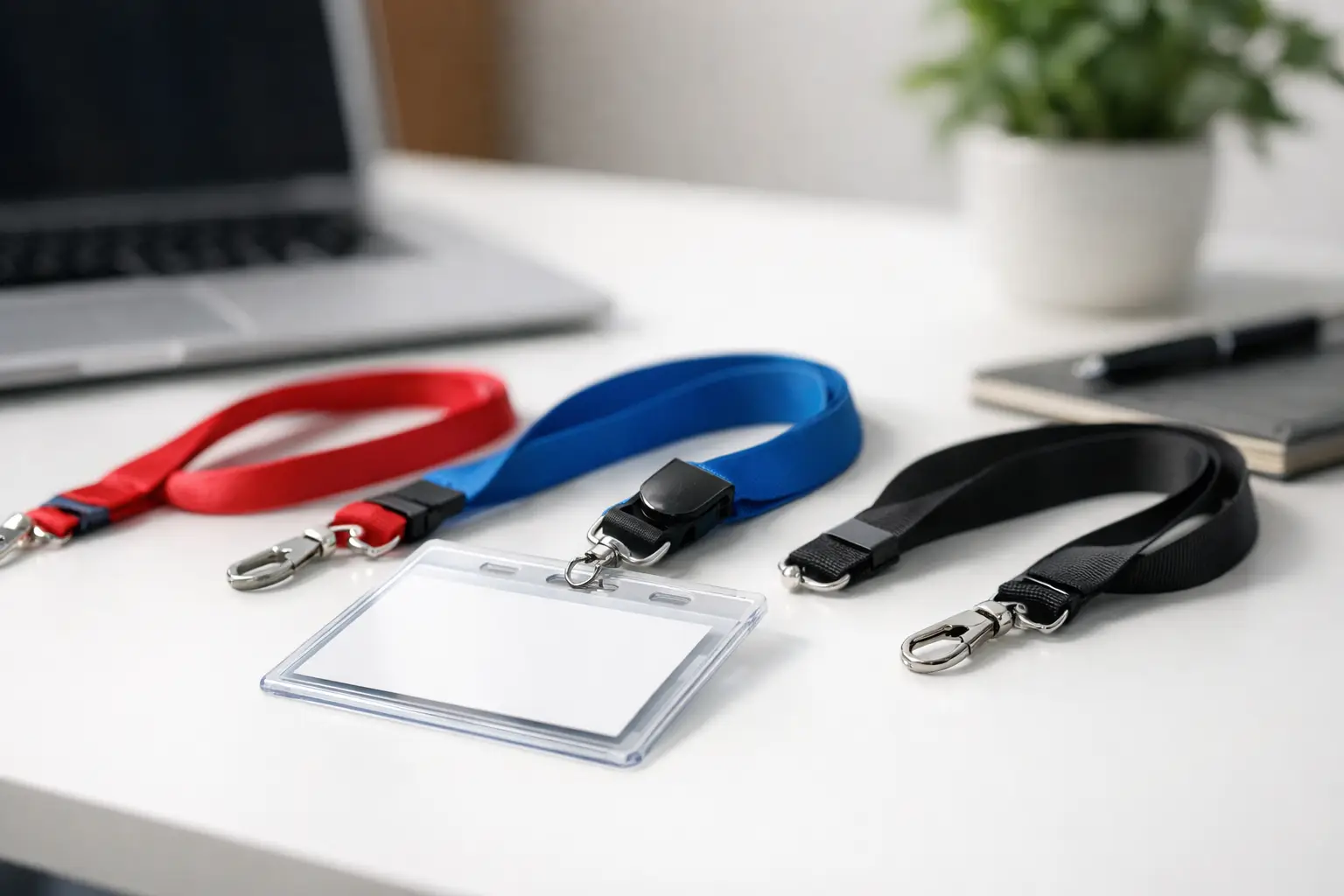
A lanyard is often the first branded item people receive at registration, then the one they wear through every meeting, meal, and photo opportunity. Knowing how to design company lanyards well means balancing visibility with comfort, security, and the practical demands of the event or workplace. A striking design is useful, but it must also hold an ID badge securely, remain readable from a distance, and feel comfortable after hours of wear.
For corporate events, staff programs, schools, exhibitions, and visitor management, the best lanyard is not simply the cheapest option or the brightest one. It is the one designed around how people will actually use it.
Start With the Job Your Lanyard Needs to Do
Before choosing colors or adding a logo, define the lanyard’s primary role. A conference lanyard may need to identify delegates, sponsors, VIP guests, and crew quickly. An employee lanyard may be worn daily with an access card. A school or campus lanyard may need a safety breakaway, while an exhibition lanyard may need to support a heavier badge holder and multiple passes.
This decision affects every production choice: material, width, attachment, print method, and quantity. For example, a premium executive event may justify woven lanyards with a subtle, durable finish. A high-volume roadshow may be better suited to printed polyester lanyards that provide strong color reproduction at a practical budget.
It also helps to consider the wear period. A lanyard used for a single afternoon can prioritize campaign impact. One used every workday should prioritize skin comfort, easy cleaning, and print durability. Trying to use one specification for every situation can create unnecessary cost or a product that is not suitable for its intended environment.
Choose a Material That Matches the Use Case
Most company lanyards are made from polyester, nylon, tubular material, or woven fabric. Each gives a different look, feel, and printing result.
Polyester is a dependable choice for corporate orders because it is versatile, lightweight, and well suited to full-color dye-sublimation printing. It works especially well when your design includes gradients, multiple logo colors, small graphic elements, or a repeating campaign message. The printed finish is smooth and can carry detailed artwork across the entire strap.
Nylon typically has a shinier, more premium appearance. Screen printing on nylon can produce bold, solid logo colors, although highly detailed artwork is generally less suitable than on a dye-sublimated polyester strap. It can be a strong option for simple brand marks and formal corporate identities.
Tubular lanyards have a rounded, shoelace-like construction and are comfortable for casual use. They are often selected for staff or volunteer programs where comfort matters more than intricate graphics. Woven lanyards incorporate the design into the fabric itself, creating a refined texture and long-lasting result. However, woven designs should be simplified because fine details and tiny lettering may not reproduce clearly.
The right choice depends on artwork and use, not just appearance. A supplier should review both before recommending a specification, particularly when a deadline, budget ceiling, or brand guideline is involved.
How to Design Company Lanyards for Clear Branding
A lanyard has limited space, and it moves constantly. Treat it differently from a brochure or banner. The most effective layouts use a repeat pattern: logo, spacing, short text, then the logo again. This ensures that branding remains visible regardless of how the strap twists or falls around the wearer’s neck.
Use your primary logo rather than trying to include every brand element. If a business unit, event name, or campaign slogan is essential, keep it short and give it clear hierarchy beneath or beside the logo. Long URLs, full mission statements, and dense contact information are usually difficult to read on a narrow moving strap.
Contrast matters just as much as color accuracy. Dark artwork on a dark lanyard, or light gray text on a white lanyard, may look polished in a digital mockup but disappear in real use. High contrast gives the logo more impact in photographs and makes roles easier to identify in busy venues.
For company colors, provide the correct Pantone references where possible, along with vector artwork such as AI, EPS, or PDF files. These files help preserve sharp edges and accurate logo proportions. If only a raster image is available, use the highest-resolution version possible. A reliable print partner can advise whether the artwork needs adjustment before production rather than allowing avoidable quality issues to appear on the finished order.
Keep text larger than you think
Small text is one of the most common lanyard design problems. A phrase that is readable on screen at close range may become unclear once printed on a 0.6-inch or 0.8-inch strap. Use clean typefaces, avoid thin strokes, and limit text to what people genuinely need to see.
If role identification is the priority, color coding can be more effective than adding extra words. For example, different lanyard colors can distinguish staff, exhibitors, guests, media, and contractors at a glance. This reduces confusion at entrances and helps event teams manage access more efficiently.
Select Width, Hardware, and Safety Features
Width influences both brand visibility and comfort. A narrower lanyard is lighter and more economical, but offers less room for artwork. A wider strap provides stronger visual presence and can be more comfortable for all-day wear, especially when carrying a badge holder, keys, or access device.
For many corporate applications, a medium-width lanyard offers the best balance. Wider styles are particularly useful for conferences, sponsorship activations, and high-visibility event credentials. Narrower styles can suit simple access cards, school programs, or larger-volume internal distributions.
The attachment is equally important. A swivel hook is a popular all-purpose choice for ID cards and badge holders. A split ring works for keys. A bulldog clip may suit certain credential formats, while a retractable badge reel can be useful where employees regularly scan access cards without removing them.
Safety breakaways should be considered whenever lanyards are worn in active workplaces, schools, production areas, or environments where snagging could occur. The breakaway clasp releases under force, reducing risk if the lanyard catches on equipment or furniture. This feature is not necessary for every event, but it is worth discussing when safety policy or daily wear is part of the brief.
Plan the Badge and Lanyard as One System
A well-designed lanyard can still fail operationally if the badge holder is an afterthought. Review the badge size, orientation, thickness, and number of inserts before selecting the attachment. A large conference credential with schedules, meal vouchers, and access tabs needs a holder that can support the weight without bending or tearing.
Vertical badges are common, but horizontal formats can work better for wide names, sponsor logos, or QR codes. If guests will scan their badge at entry points, make sure the code remains accessible and does not sit behind a folded insert. If names need to be readable across a registration desk, choose a type size and badge layout that support that goal.
For event kits, ordering lanyards, holders, inserts, shirts, tote bags, and signage through one coordinated production plan can reduce last-minute mismatches. It also makes it easier to keep colors, logo usage, and delivery schedules aligned across the entire attendee experience.
Test Before You Approve the Full Order
Do not approve a design based only on a screen preview when brand accuracy is critical. Ask for a digital artwork proof and, where timing allows, a physical sample or sample photo that clearly shows material, print placement, and hardware. Check how the logo looks when the lanyard curves, how the colors appear under indoor lighting, and whether text remains readable from a practical distance.
This is also the time to verify repeat spacing. A logo may look balanced in a flat design file but land awkwardly near the neck or behind the badge once worn. Small adjustments to the repeat length can make a noticeable difference in the final presentation.
Confirm quantities with a realistic buffer. Events commonly need extras for replacements, late registrations, walk-ins, venue staff, and last-minute VIP additions. The right buffer depends on the event size and registration process, but ordering exactly the confirmed headcount can create an avoidable problem on event day.
Build the Timeline Around Production, Not Just the Event Date
Lanyard orders are often requested late because they seem simple. Yet custom materials, print methods, hardware options, artwork approvals, packing requirements, and delivery all need time. The more customized the lanyard, the earlier the design should be finalized.
Share the event date, required delivery date, quantity, artwork status, and intended use at the beginning of the inquiry. This allows the production team to recommend options that fit the available lead time instead of proposing a design that cannot be delivered reliably. If your deadline is tight, a practical recommendation may be more valuable than an overly ambitious specification.
Global Asia Printings can help coordinate lanyards with broader event branding and merchandise requirements, from badge holders and apparel to booth materials and on-site activation support. That coordination is especially useful when multiple branded items need to arrive together and present one consistent identity.
The most memorable company lanyards make people feel organized from the moment they put them on. Design for the real experience – the queue at registration, the long event day, the access scan, and the group photo – and the result will carry your brand with confidence.