


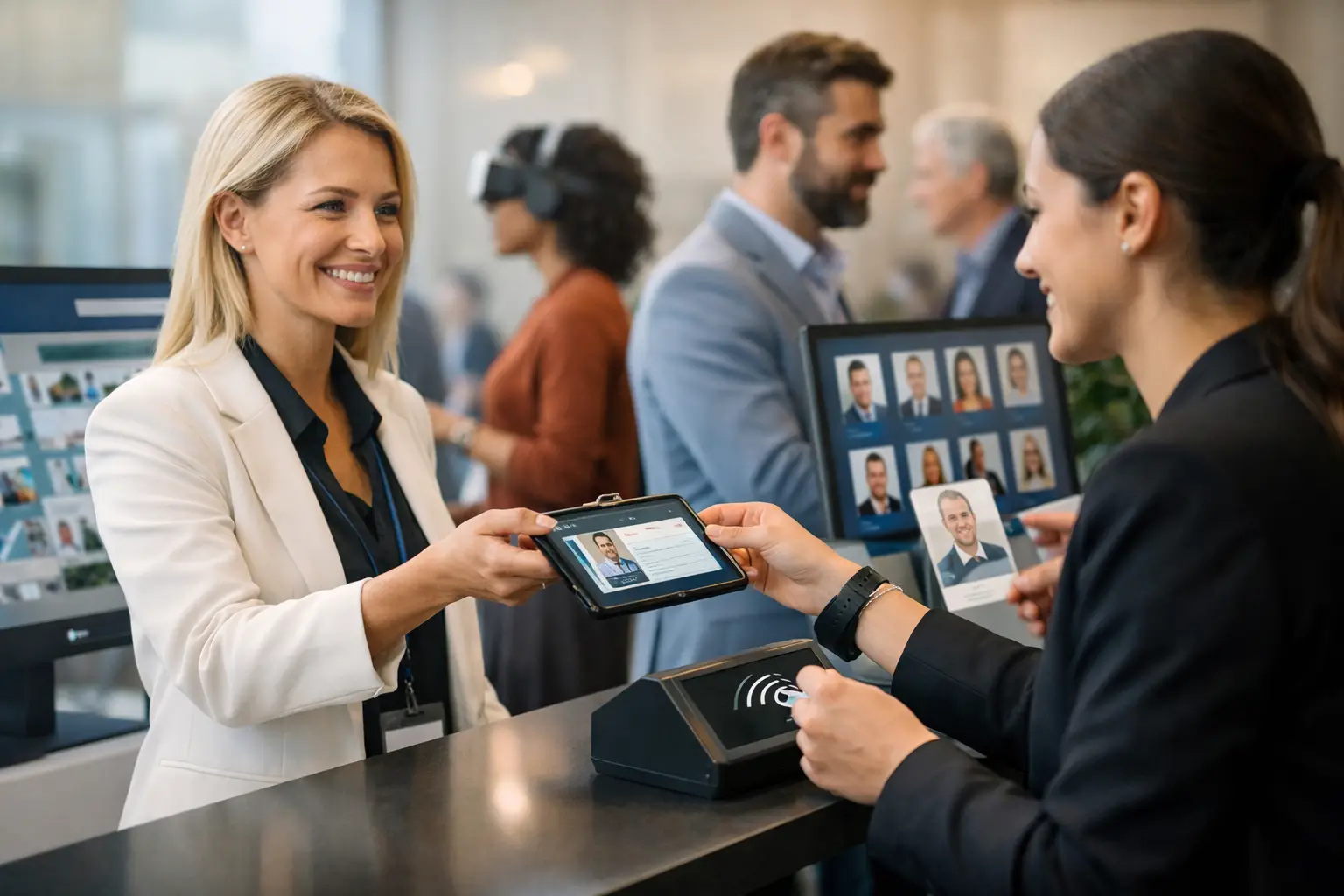
A standard event giveaway can put your logo in someone’s hand. A personalized one gives them a reason to keep it. That is why onsite personalization trends are changing how organizations plan conferences, staff appreciation days, roadshows, school events, and client activations. The focus is moving beyond distributing merchandise in volume toward creating branded items that feel timely, relevant, and made for the recipient.
For marketing teams and event coordinators, this shift has practical consequences. Personalization must still fit the event schedule, venue layout, brand guidelines, budget, and expected guest volume. The strongest activations are not simply the ones with the most decoration options. They are designed around a clear attendee experience and backed by reliable production planning.
Why Onsite Personalization Has Become an Event Priority
Events compete for attention. Guests often arrive with full schedules, limited time, and plenty of branded materials already available to them. A live personalization station creates a useful moment of participation. Instead of picking up an identical item from a display, a guest chooses a name, design element, color detail, or message and watches the item take shape.
This experience can work across many product categories. T-shirts, tote bags, caps, pouches, notebooks, tumblers, luggage tags, and lanyards are all suitable options when the product matches the event. A company sports day may benefit from personalized team jerseys or caps. A leadership conference may call for premium notebooks or travel accessories. A campus orientation program may get better results from practical bags and lanyards that students will use after the event.
The business value is not only in the item itself. Live customization encourages guests to spend longer at a booth, gives event staff a natural conversation starter, and creates a visual focal point in the venue. When managed properly, it also produces merchandise with a higher perceived value than an off-the-shelf giveaway.
Five Onsite Personalization Trends Worth Planning For
1. Personalization that stays within brand guardrails
Open-ended customization can create delays and inconsistent results. A more practical approach is curated choice. Guests may select from approved icons, short text styles, colors, or pre-designed patches while the main logo, placement, and visual standards remain controlled.
This protects brand presentation without making the experience feel restrictive. For example, an employer can offer embroidered or printed names on a company jacket while keeping the corporate logo in a fixed position. A product launch can let visitors choose one of several campaign phrases for a tote bag. The attendee gets ownership, while the organization keeps the finished item aligned with its campaign.
2. Faster workflows with digital order capture
Paper sign-up sheets and handwritten instructions can slow a busy activation. Event teams are increasingly using QR codes, tablets, and simple digital forms to capture names, choices, and collection details. This gives the production team a clearer queue and reduces spelling errors.
Digital order capture is especially helpful when attendees can place an order during an event and collect the item later. Rather than waiting at the station, they can continue networking or attend their next session. For larger programs, items can also be prepared for a scheduled pickup window or delivered after the event if the activation model allows it.
The right setup depends on attendance. A small internal event may work well with direct, immediate printing. A high-volume conference may need a hybrid model: a live display and order point at the booth, followed by organized collection. The key is setting expectations clearly. Guests should know whether their item is ready in minutes, later that day, or after the event.
3. Practical merchandise over novelty items
Personalization has more impact when it is applied to a product people genuinely want to use. Event buyers are placing greater emphasis on useful items with a longer lifespan: quality apparel, drinkware, bags, tech accessories, stationery, and travel essentials.
A personalized item does not need to be expensive to feel considered. A well-designed notebook with a guest’s name, a durable tote with a chosen patch, or a T-shirt printed live with a selected graphic can be more memorable than a premium item with no personal connection. Product selection should reflect the audience, the event setting, and how the item will be used afterward.
There is also a budget consideration. Apparel and premium gifts can create strong engagement, but they require more planning around sizes, inventory, and production time. Smaller items may be easier to personalize quickly at scale. A dependable supplier can help compare these trade-offs before the event rather than after the product order is already committed.
4. Personalization as part of the booth experience
Onsite printing is becoming an attraction in its own right. Guests enjoy seeing a blank product become a finished branded piece, whether that involves heat transfer printing, embroidery, engraving, patches, or another suitable decoration method. The production process adds energy to the booth and makes the value of the gift visible.
However, live production should support the event objective, not distract from it. If the goal is lead generation, the personalization step can follow a product demonstration or a brief conversation with the sales team. If the goal is employee engagement, the station can be organized around team identity, recognition, or shared moments. For a public-facing activation, it may be tied to a social campaign, photo opportunity, or event theme.
Booth space matters. A well-run setup needs a clear guest entry point, ordering area, production zone, collection point, and storage for blank stock. Crowded layouts can cause bottlenecks, especially when a popular product has a longer production time. Planning the physical flow early is just as important as choosing the merchandise.
5. More thoughtful choices around stock and waste
Pre-printing thousands of identical giveaways can leave organizers with unused inventory once an event ends. Onsite personalization can help reduce that risk by decorating selected products according to actual demand. It also makes it easier to offer a focused range rather than over-ordering every possible design variation.
That said, personalization is not automatically a low-waste option. It still requires careful forecasting, appropriate blank product quantities, and a plan for leftover stock. Events with unpredictable attendance should choose products that can be repurposed for future campaigns or internal use. Avoid highly date-specific designs unless the planned quantity is secure.
Organizations are also paying closer attention to product durability and material choices. Reusable drinkware, long-wearing apparel, and useful bags can support a more responsible merchandise strategy when they are selected for quality rather than treated as disposable event items.
What Makes an Onsite Personalization Program Work
The trend may be experiential, but execution is operational. Start with the attendee journey: what they will choose, how they will submit their details, how long production will take, and where they will collect the finished item. Then work backward to decide the right product, decoration method, equipment, staffing, stock level, and venue footprint.
Artwork preparation deserves early attention. Names, variable text, and selectable graphics need templates that are tested before event day. If a logo includes fine details or small lettering, confirm that the chosen print or decoration method can reproduce it clearly at the intended size. A design that looks good on a screen may not produce the same result on fabric, metal, or textured materials.
Event planners should also build in a practical backup plan. This may include pre-produced items for peak periods, spare blanks in popular sizes, additional approved designs, or a collection process if demand exceeds immediate capacity. Good onsite personalization does not promise unlimited choices at instant speed. It delivers a clear, well-managed experience that protects quality.
For organizations managing multiple vendors, using one partner for merchandise sourcing, design guidance, customization, live printing, and booth support can reduce handoffs and last-minute confusion. Global Asia Printings helps clients coordinate these moving parts so the selected product and event setup work together, not as separate projects.
Choosing the Right Trend for Your Event
Not every event needs a large live-printing station. A private client dinner may be better served by pre-personalized premium gifts placed at each seat. A high-traffic exhibition may benefit from quick-name customization on a simple item. An employee event may justify a fuller experience with apparel, team designs, and a visible production area.
The best choice is the one that gives guests something useful, protects your brand standards, and can be delivered confidently within the event schedule. When personalization is planned as part of the entire event flow, it becomes more than a giveaway. It becomes a well-executed reason for people to remember the brand behind it.